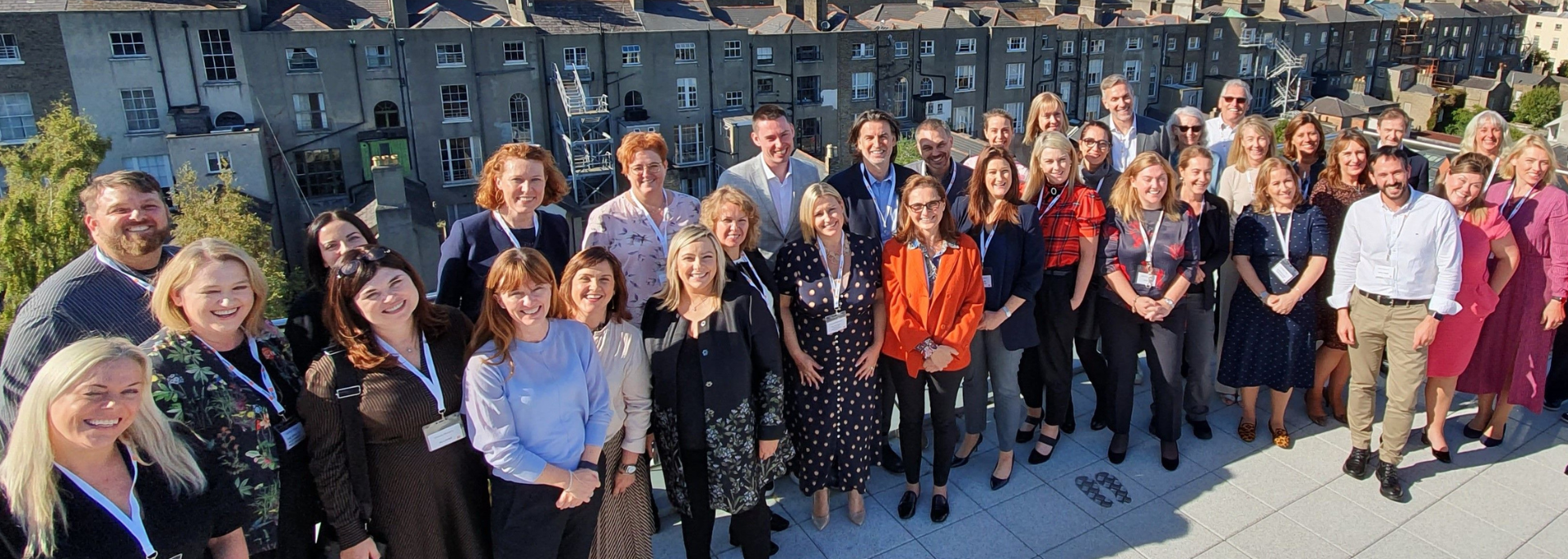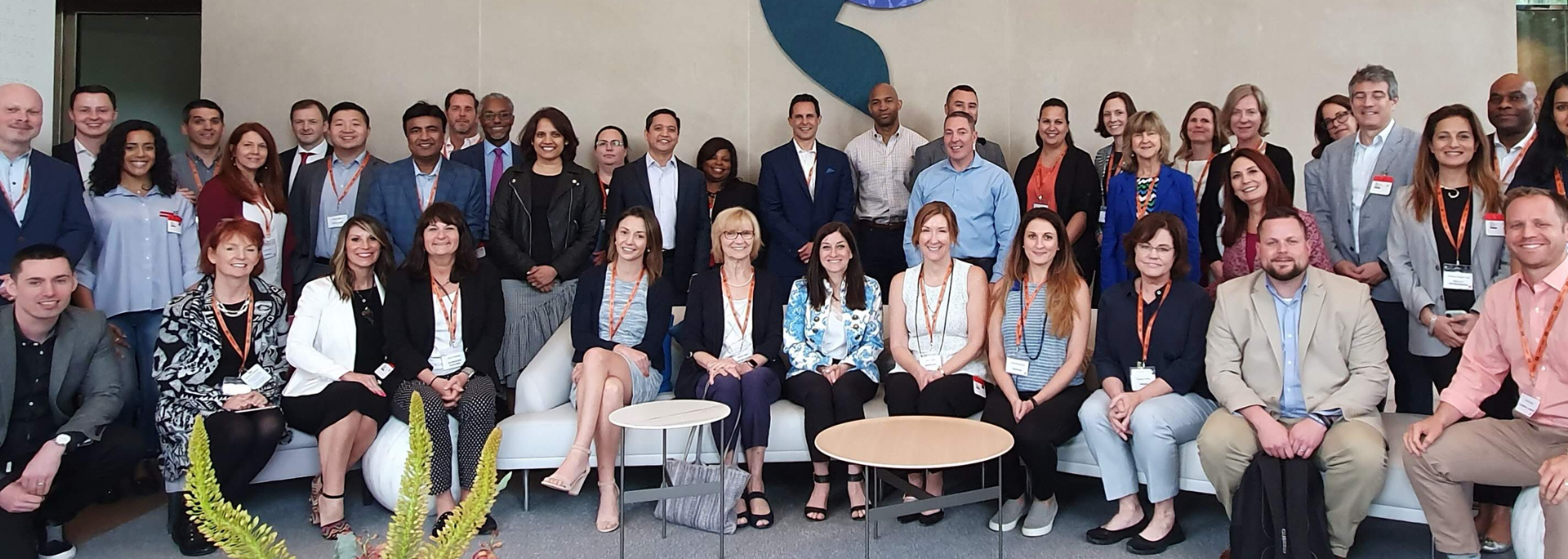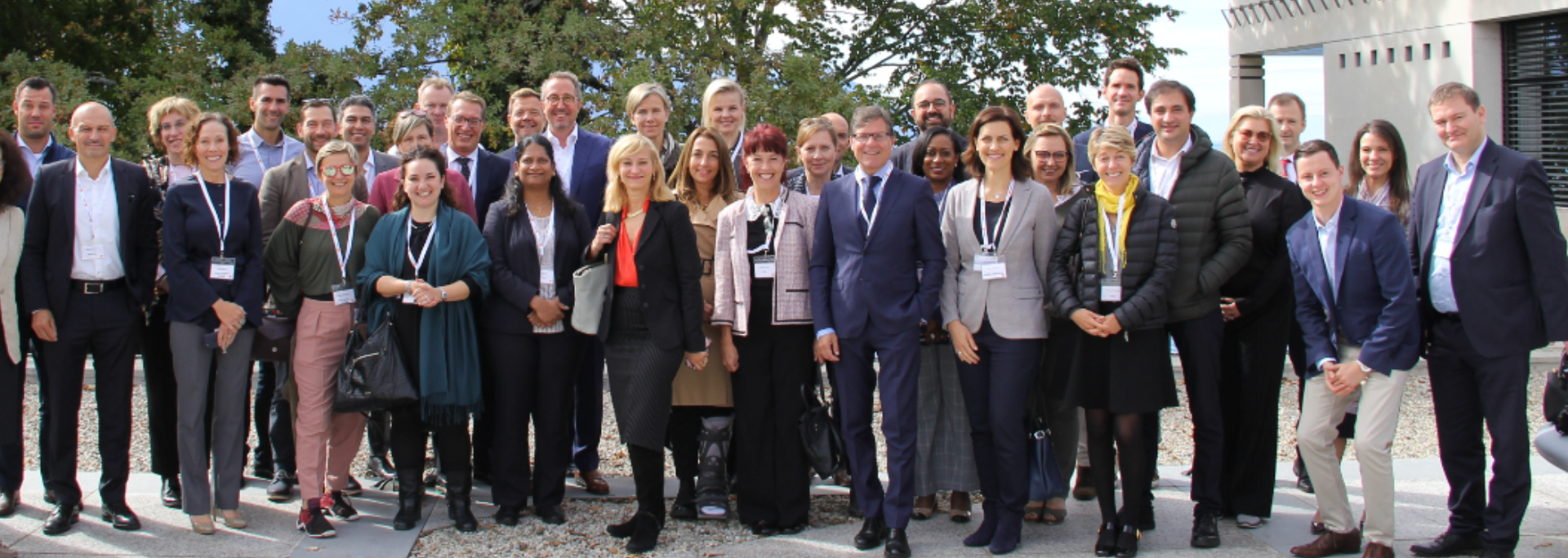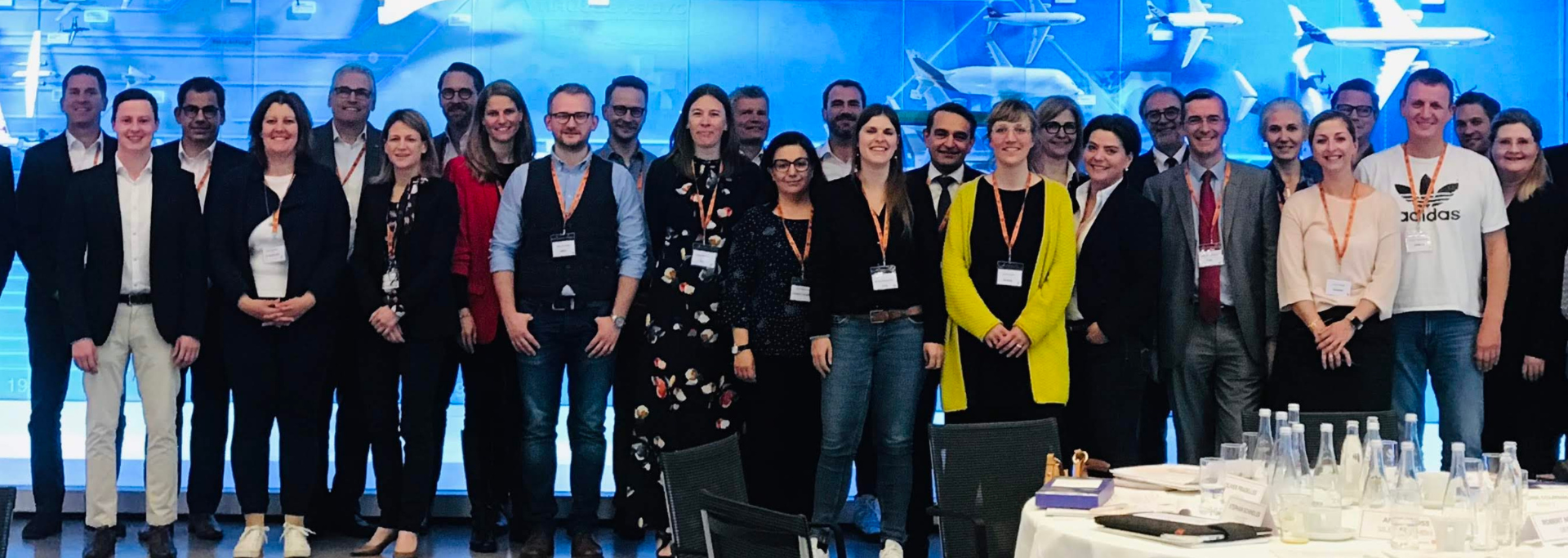


What is the HR Innovation Roundtable?
A powerful closed-door workshop bringing together 40 Chief HR Officers and Global HR & Talent Executives from leading global
brands for intimate discussions about specific challenges and transferable solutions.

Agenda: Day 1
8th July, 2026
12 - 12:15 PM
Arrival Reception & Welcome

[Host]
Khadija Ben Hammada
Member of the Executive Board and Chief People Officer
Merck
[Event Partner]
Parker Mitchell
Founder & CEO
Valence
Chris Rainey
CEO & Co-Founder
HR Leaders
About:
Merck Group (Merck KGaA) is one of Europe’s most enduring science and technology companies, with a history that stretches back to 1668 in Darmstadt, often cited as the oldest pharmaceutical and chemical company in the world. Today, Merck operates across Healthcare, Life Science, and Electronics, and sits at the intersection of scientific discovery and industrial-scale execution, exactly the combination that makes it such a compelling host for senior people leaders who care about productivity, capability, and reinvention, not just HR programmes.
At its global headquarters in Darmstadt (near Frankfurt), Merck’s largest site, more than 12,000 employees from 100+ nations work across production, R&D, and Group functions, spanning 1.25 km² (around 200 football fields) and manufacturing ~25,000 products, with a major R&D community embedded directly into the operating heartbeat of the enterprise.
From a scale and governance perspective, Merck is also a boardroom-grade organisation: With 62,000+ employees worldwide, and its shares trade on the Frankfurt Stock Exchange, a DAX-listed environment that raises the bar for operational discipline and transparency. Just as importantly for CHROs, Merck has earned recognition for the kind of workplace and culture that sustains innovation at scale, including being named a Global Top Employer and recognised by Fast Company’s Best Workplaces for Innovators (standout for sustainability/innovation), alongside broader inclusion recognition.
This is why Darmstadt is the right setting for a CHRO-level conversation: you’re not discussing the future of work in theory. You’re doing it inside a company that has had to reinvent for centuries, while still delivering modern science, modern manufacturing, and modern talent systems at a global scale.
12:15 - 1:15 PM
The Chief People Officer as Value Creator: Merck’s Blueprint
KEYNOTE SPEAKER:

Khadija Ben Hammada
Member of the Executive Board and Chief People Officer
Merck
WHAT YOU WILL LEARN:
Merck has been quietly building a model of HR that behaves like a business system: it starts from strategy, translates that strategy into a measurable people plan, and then uses modern infrastructure—skills visibility, leadership disciplines, and service redesign—to execute at speed. This case study shows what changes when the Chief People Officer holds the line on business outcomes while still protecting the employee experience, values, and long-term capability.
The opportunity is massive because most organizations are still running HR as a collection of programs rather than an integrated operating rhythm. The cost of getting this wrong is predictable: slow execution, unclear accountability, leaders reverting to command-and-control under pressure, and workforce investments that cannot be defended at board level. Success looks like HR initiatives that ship like products, scale like platforms, and prove value like a business case—quarter after quarter.
How to build HR initiatives that come with a board-ready business case, not a “nice-to-have” story.
How to operationalize skills visibility and workforce planning so they actually change hiring, deployment, and development decisions.
How to design leadership and benefits strategies as enterprise levers that strengthen retention, performance, and trust.
1:15 - 2:30 PM
Agentic HR: The Operating Model CHROs Need for 2026
PanelistS:

Meghan Rhatigan
Vice President, Global Talent Acquisition Experience
Marriott International
Mark Smith
Vice President, Global Talent Acquisition
Medtronic
Tracy Aguilar
Vice President of Talent Acquisition
Burlington Stores
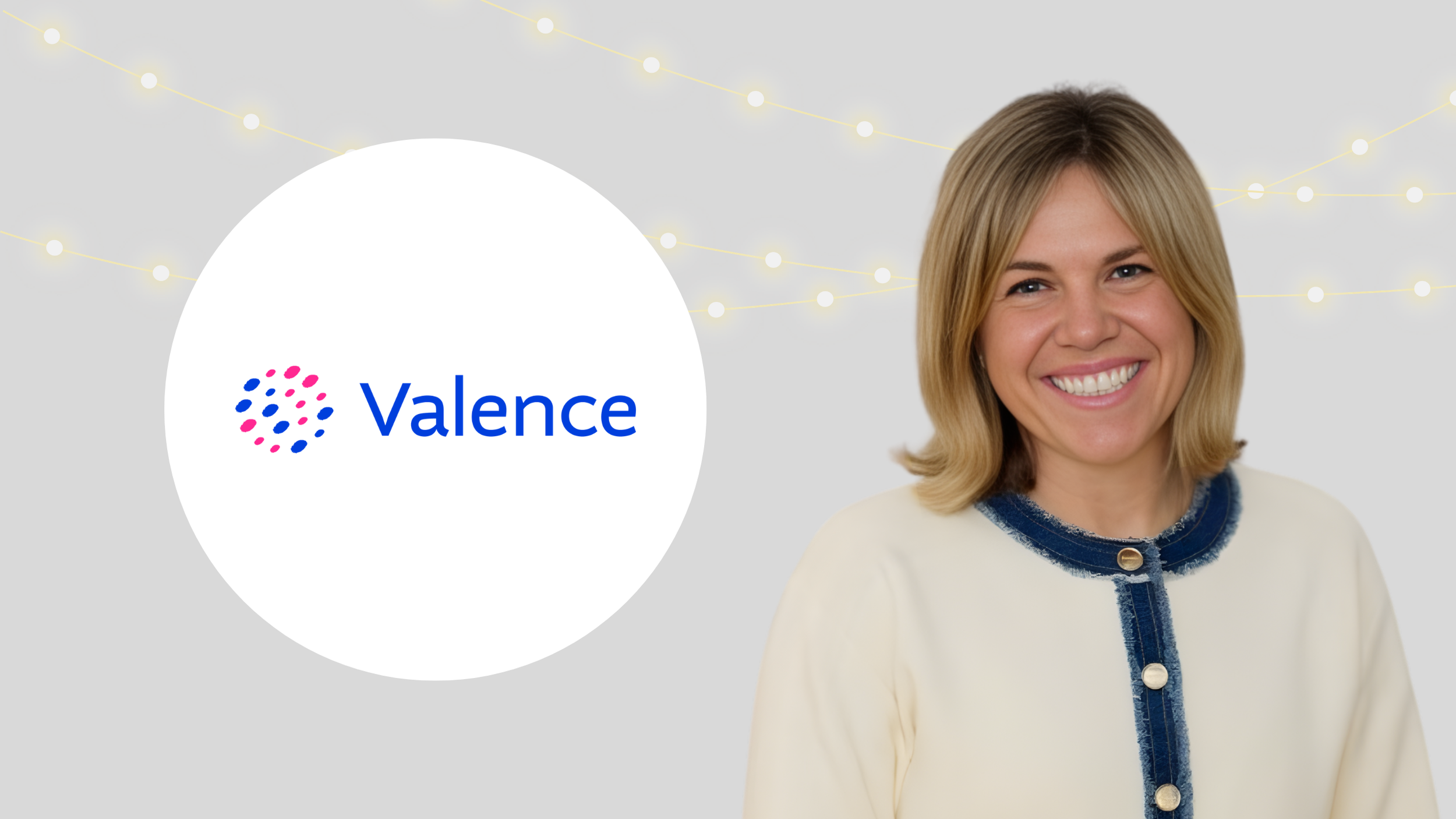
Alex McMurray
Chief Commercial Officer & Co-Founder
Valence
WHAT YOU WILL LEARN:
Most organizations are stuck in the most expensive phase of AI adoption: lots of experimentation, little operating leverage. In 2026, the real advantage won’t come from having more tools—it will come from redesigning how HR work happens so AI and agents reduce cycle time, increase decision quality, and raise the capacity of HRBPs, Talent, and L&D to do higher-value work.
The opportunity cost of getting this wrong is brutal: fragmented pilots, rising risk, and growing cynicism from CEOs and CFOs who expected productivity and got noise. Getting it right means HR becomes a modern execution engine—where workflows are orchestrated, insights are proactive, and employees feel supported (not monitored) because governance, transparency, and trust were designed from day one.
How to move from “AI pilots” to an HR operating model where agents are embedded into real workflows and decision points.
How to set governance that scales adoption without slowing innovation, while protecting trust and compliance.
How to define success metrics that the CEO/CFO actually recognize as enterprise value.
2:45 - 4 PM
AI Coaching at Scale: The Fastest Path to Better Managers
PanelistS:

Maral Kazanjian
Chief People Officer
Moody's Corporation

Tim Hourigan
Former Executive Vice President, HR
The Home Depot

Chelsea Kaden
Chief People Officer
Warby Parker
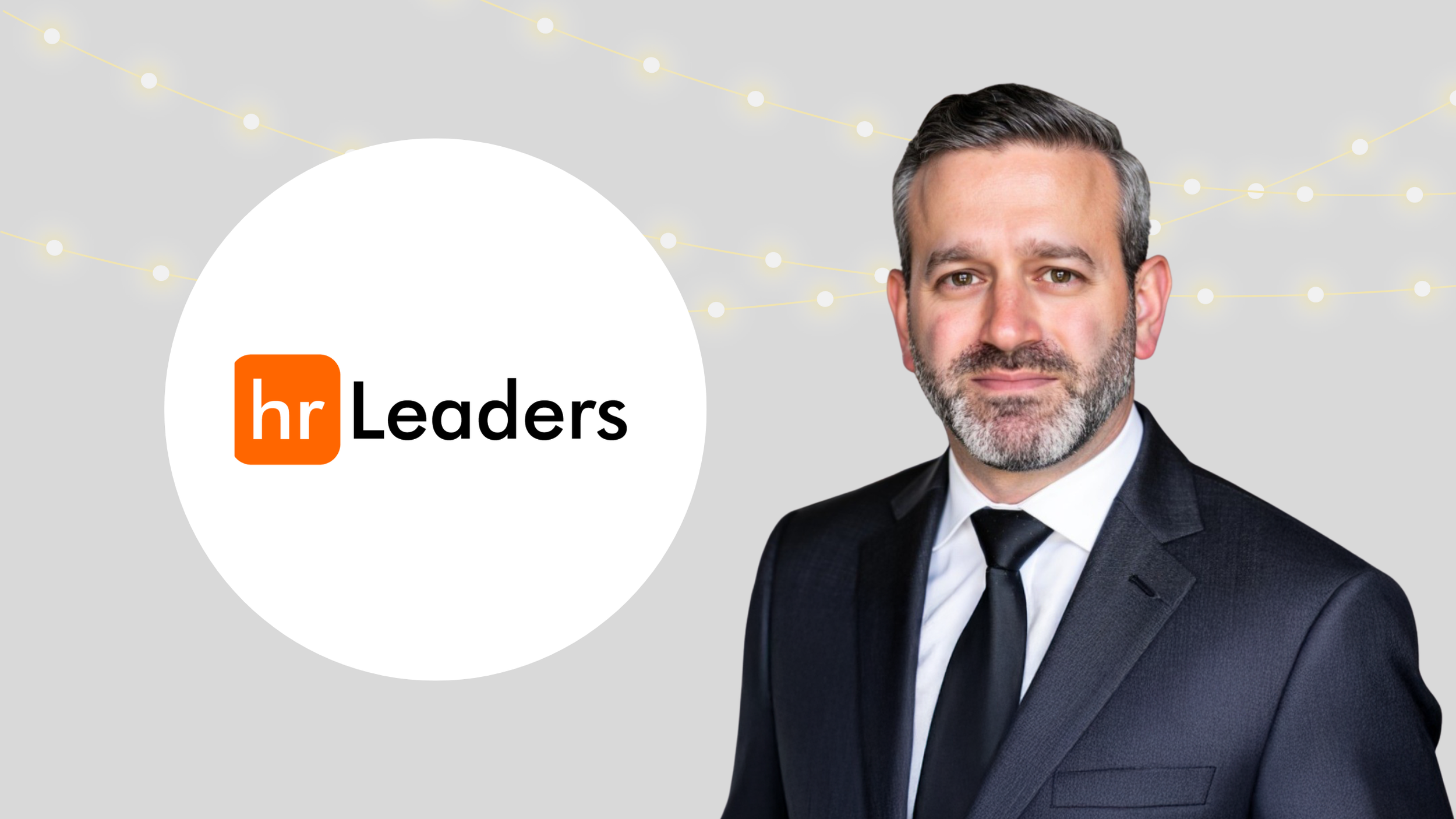
Christopher Rosett
Principal Advisor
HR Leaders
WHAT YOU WILL LEARN:
This is a customer-first session built to show what Valence is exceptional at: scaling high-quality leadership and team coaching through an AI coach that supports managers in the moments that actually shape performance—1:1s, difficult conversations, onboarding risk, team dynamics, and decision preparation. Instead of “training people and hoping,” this model makes development continuous, contextual, and measurable.
The opportunity is to finally break the constraint that has limited leadership development for decades: coaching and behavior change don’t scale, but enterprise expectations do. The cost of getting it wrong is predictable—manager inconsistency, leadership capability gaps, and L&D spend that can’t prove impact. Success means coaching becomes a system: always-on support, equitable access at scale, and measurable lift in manager effectiveness and team performance.
How leading companies deploy AI coaching to scale manager capability without adding layers of program overhead.
What adoption looks like when coaching is delivered in the flow of work, not as an “extra initiative.”
How to measure coaching impact in ways that connect to performance, retention, readiness, and execution.
4:15 - 6 PM
357 Years in the Making: Inside the Company That Keeps Reinventing Itself
Overview:

WHAT YOU WILL LEARN:
Most companies talk about legacy. Very few have earned it. Merck has been at the forefront of science, innovation, and human progress since 1668 and its Darmstadt campus is where that story lives, breathes, and continues to be written.
This is not a standard campus tour. It is a rare, immersive look at how one of the world's most enduring organisations has built a culture of learning, curiosity, and reinvention into the very fabric of where its people work. From a museum that holds 357 years of breakthroughs to a Learning Center designed for the next generation of talent, every stop on this tour tells you something about what it actually takes to build an organisation that lasts.
For the CHROs in the room, this is the kind of experience that puts everything discussed into sharp relief. Culture is not a slide deck. It is what you build, what you preserve, and what you choose to pass on.
New Learning Center: A flagship investment in the future of talent, close to 700 young professionals in training across 22 programs, housed in a space purpose-built to make development feel like a destination, not an obligation.
Life Science Showroom: An immersive, hands-on look at the real-world impact of Merck's Life Science business, a reminder of why getting people strategy right has consequences that extend far beyond the organisation.
Merck History Museum: 357 years of artefacts, decisions, and reinventions under one roof. For anyone thinking about leading through uncertainty, this is the most powerful room you will walk into all week.
6 - 7:30 PM
Networking, Drinks & Evening Dinner

Get to know your esteemed peers over some hors d'oeuvre and deliciously prepared cocktails. We will then head to a private restaurant for a three-course evening dinner. Enjoy the relaxed atmosphere in the presence of your peers to learn, share and ponder over the key topics of what was discussed earlier in the day and the exciting conversations in store for you on day 2.
Agenda: Day 2
9th July, 2026
8 - 8:40 AM
Registration & Breakfast followed by Welcome Reception
PanelistS:

[Host]
Khadija Ben Hammada
Member of the Executive Board and Chief People Officer
Merck
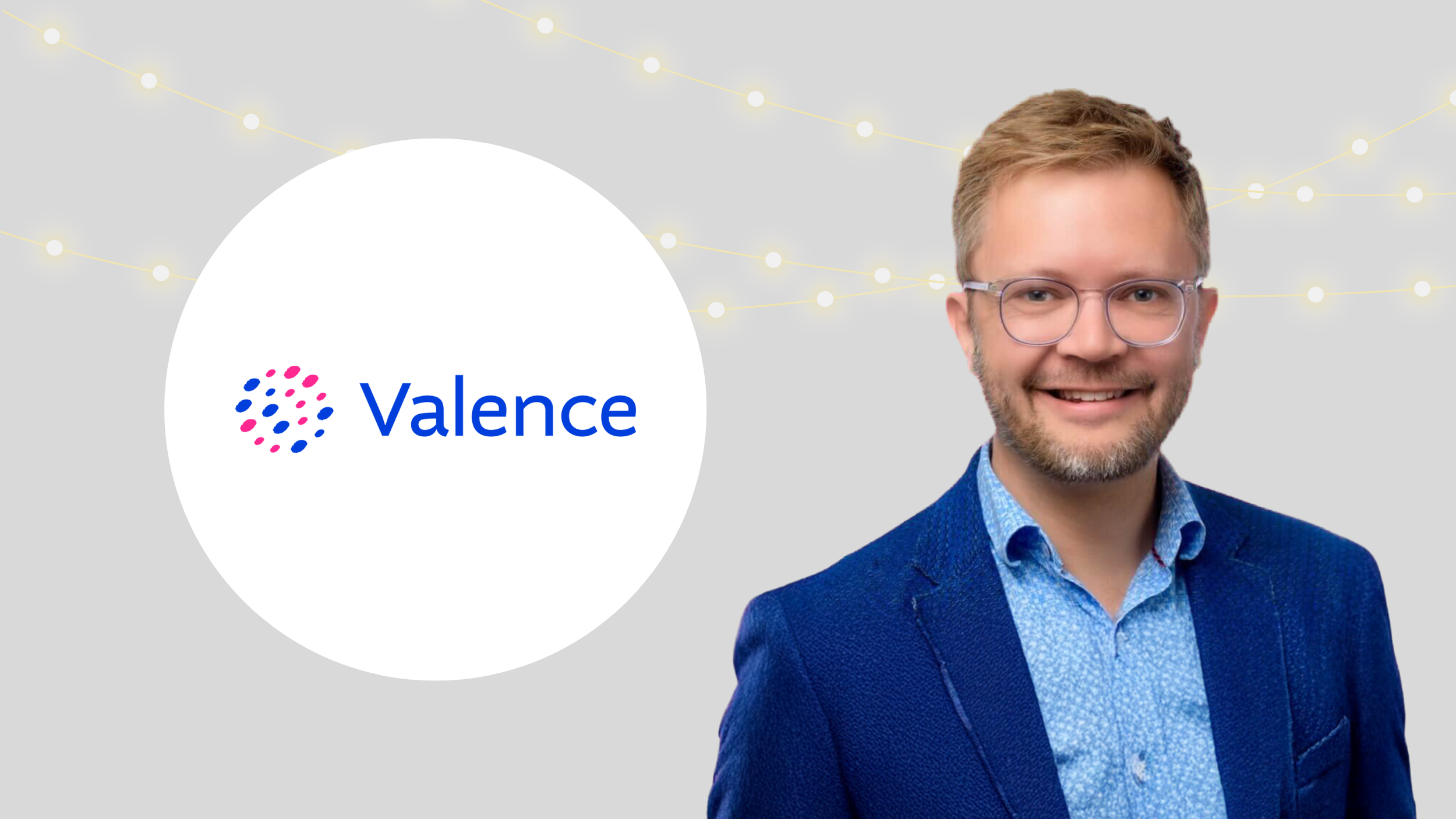
[Event Partner]
Parker Mitchell
Founder & CEO
Valence
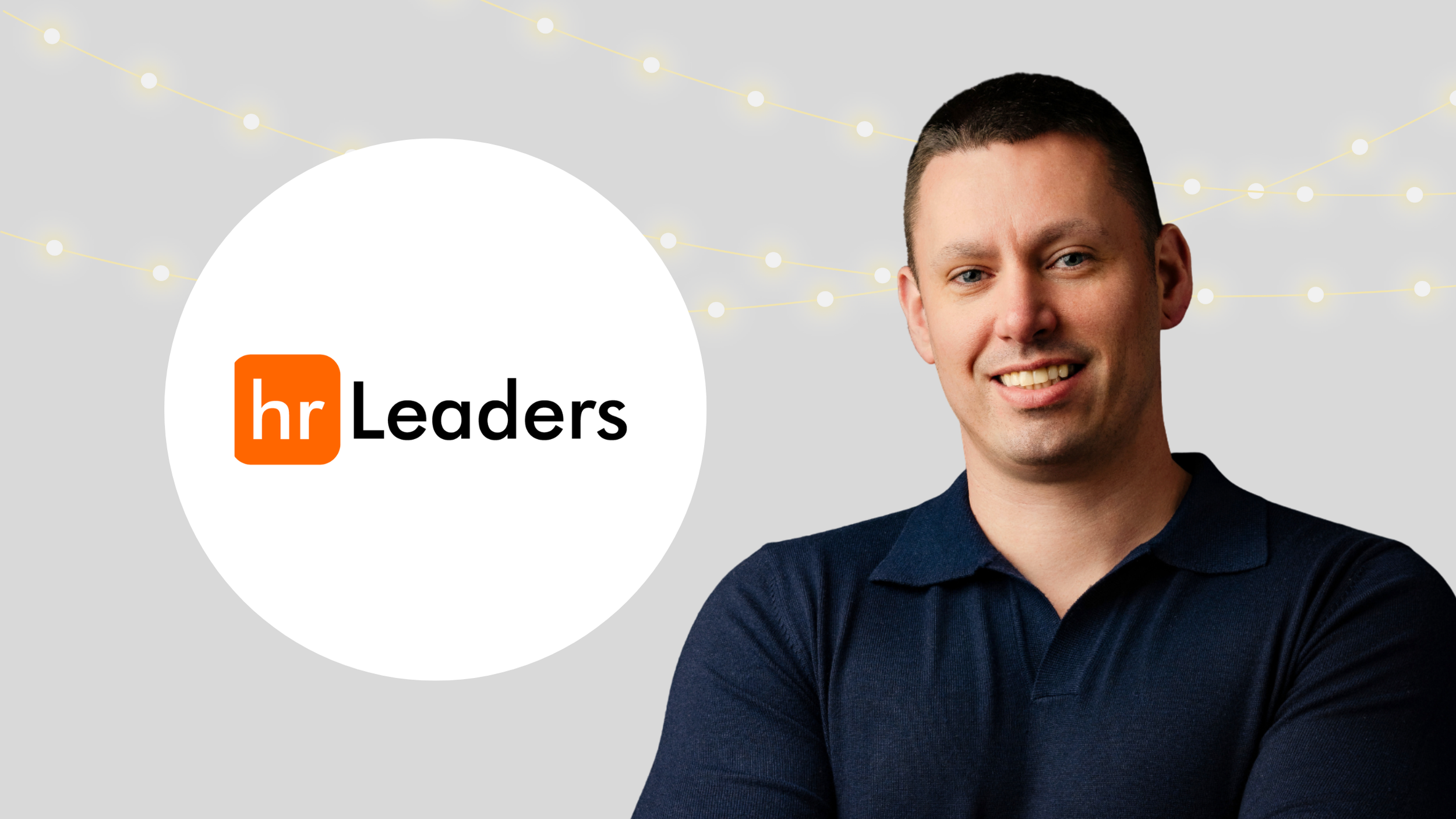
Chris Rainey
CEO & Co-Founder
HR Leaders
Join us nice and early to grab a tasty bite to eat and your daily dose of caffeine to set you up for a full-on day of learning, sharing and innovating. At 8:30 AM hear a few words from our event chair (Chris), host (Khadija) and event partner (Parker) on what to expect over the course of the day.
8:40 - 9:20 AM
The CIO × CHRO Alliance: The Work Tech Blueprint for 2026
PanelistS:
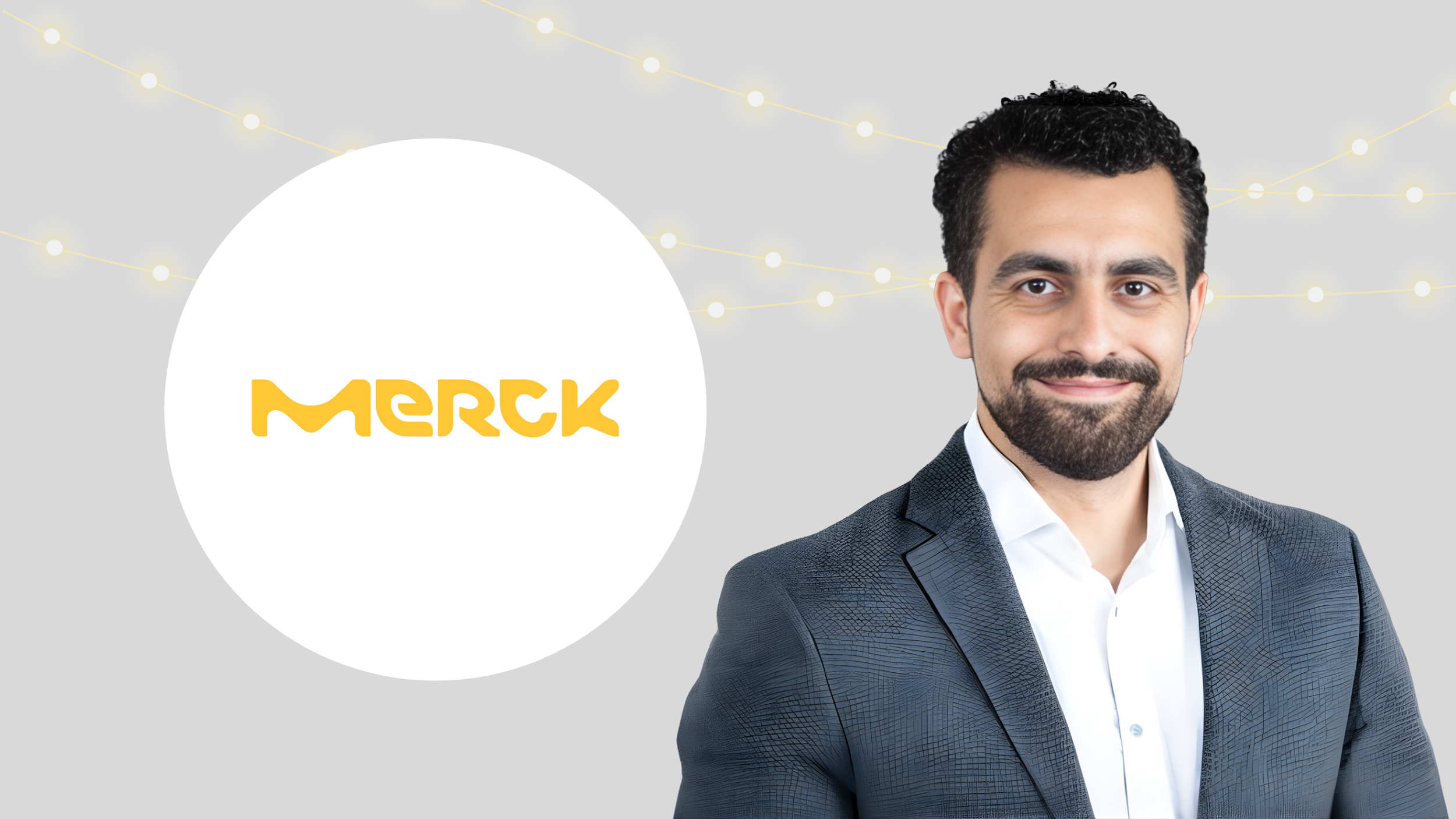
Walid Mehanna
Chief Data & AI Officer
Merck Group
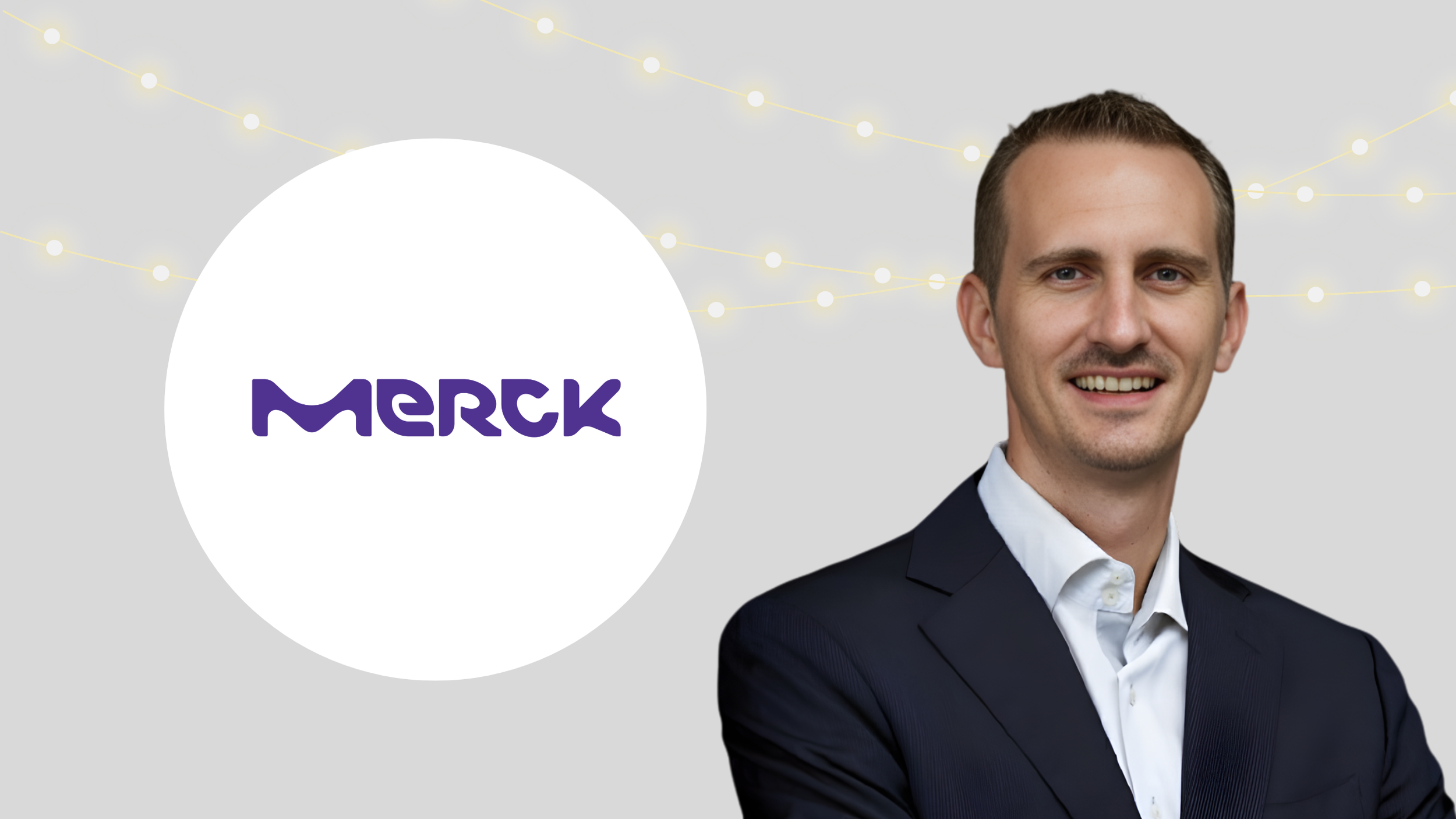
Alexis Saussinan
Global Head of People Insights & Effectiveness
Merck Group
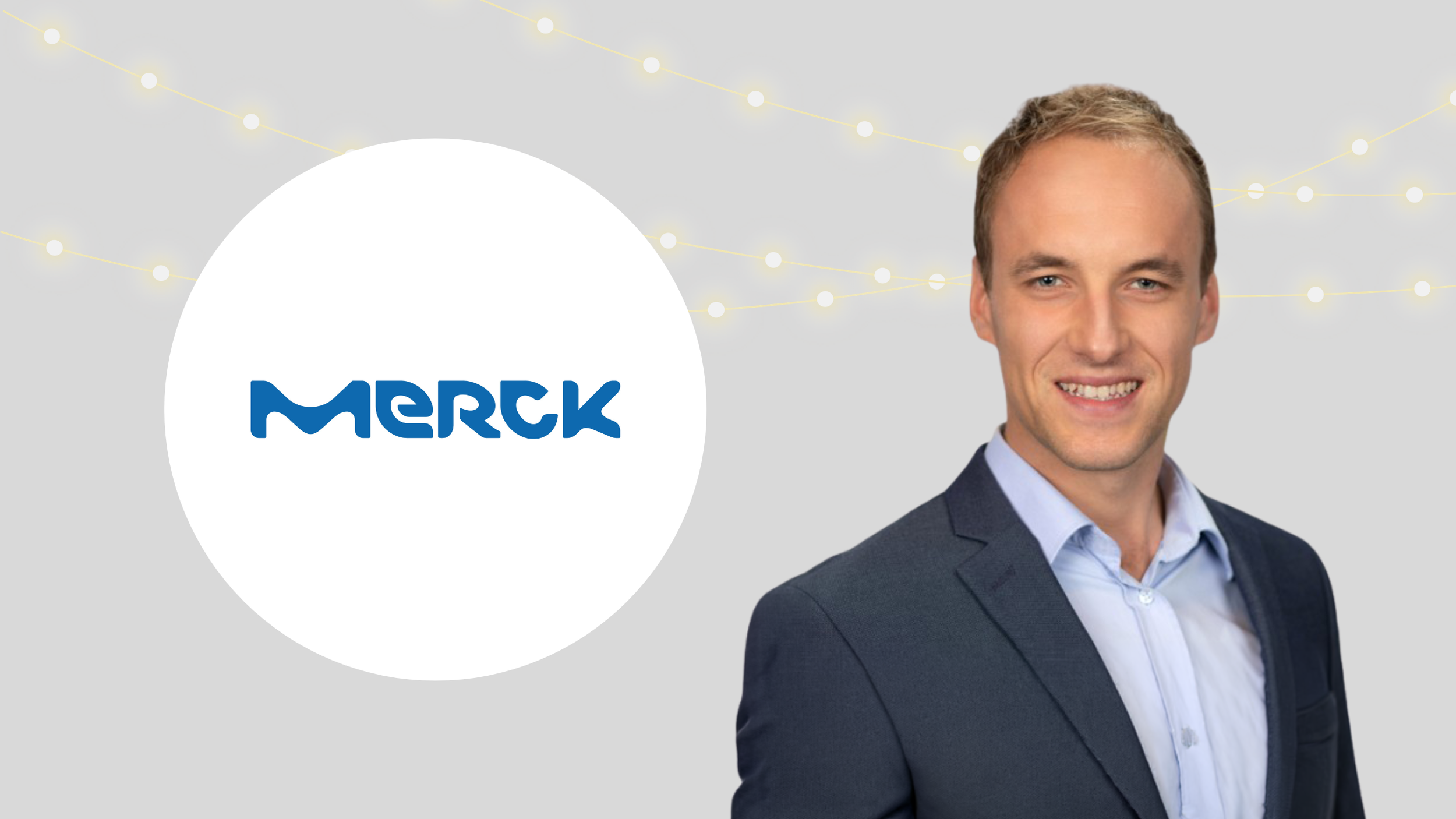
Ruben Groen
Director Learning Transformation
Merck Group
WHAT YOU WILL LEARN:
AI doesn’t fail in organizations because the models aren’t powerful enough—it fails because the operating system around it is weak: fragmented data, unclear governance, competing tool stacks, and no shared ownership between HR and IT. This Merck fireside is about the partnership that fixes that, showing how CIO, Data/AI, and HR governance leaders align architecture, privacy, quality, and product thinking so employees feel the benefit in everyday work.
The opportunity is to build a true work-tech layer that makes HR faster, more personalized, and more proactive without compromising trust. The cost of getting this wrong is high: tech sprawl, adoption fatigue, risk exposure, and employee skepticism. Success means the employee experience improves because the foundations are right—data is reliable, AI is governed, and HR/IT share accountability for outcomes.
How to structure HR–IT partnership so work-tech decisions are shared, fast, and outcome-driven.
How HR data governance enables personalization and agentic workflows without eroding trust.
How to modernize the HR tech stack into an employee-facing “work system,” not a set of disconnected tools.
9:20 - 10 AM
AI Coaching as Infrastructure: The New Standard for Manager Excellence
PanelistS:
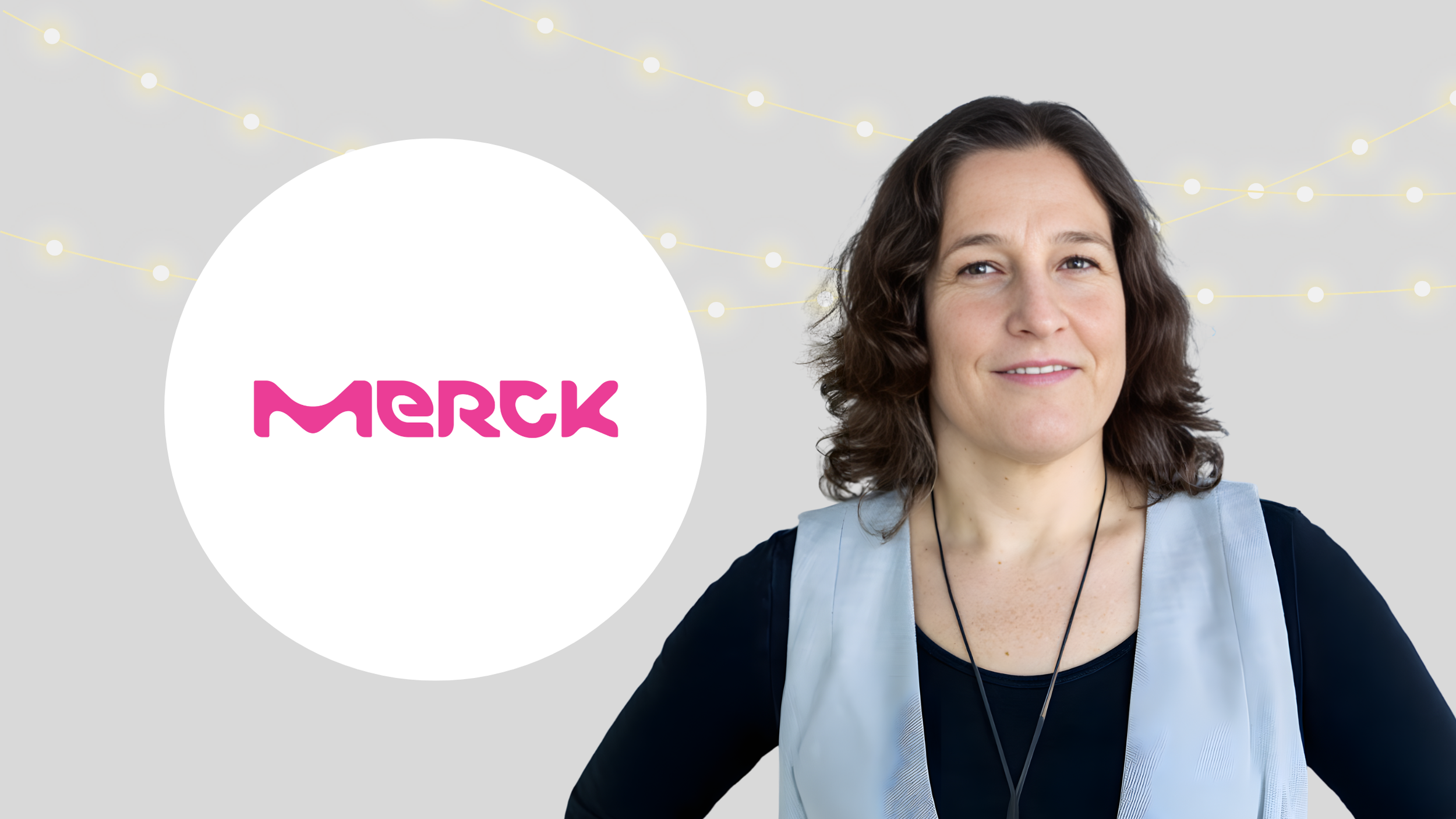
Nora Schoenthal
Senior Vice President and
Head of People & Organizational Growth
Merck Group
Anand Chopra-McGowan
Managing Director, Europe
Valence
WHAT YOU WILL LEARN:
The manager layer is where strategy becomes reality—or quietly fails. This fireside explores what happens when coaching stops being a limited resource and becomes infrastructure: always available, context-aware, and designed to support leaders in real moments that shape performance. The conversation will unpack how a Merck-scale organization can deploy AI coaching to accelerate manager readiness, raise leadership consistency, and reduce the “randomness” that employees experience across teams.
The opportunity is to create a measurable uplift in execution without launching another heavy program. The risk of getting it wrong is building a shiny tool that employees don’t trust or leaders don’t adopt. Success means managers actually change habits: conversations improve, teams stabilize faster, onboarding becomes smoother, and leadership quality becomes more consistent across the enterprise.
How to position AI coaching as a workforce capability, not an HR tool, so adoption follows value.
How to scale leadership support without diluting quality, personalization, or trust.
How to define outcomes that matter: readiness, retention risk, performance lift, and leadership consistency.
10:15 - 11:30 AM
The New Employment Deal: Rebuilding Trust, Motivation and Culture in the AI Era
PanelistS:

Jennifer Wells
SVP, Chief People Officer, North America
PepsiCo

Jordana Kammerud
Former Chief People Officer
Corning Incorporated
Raúl Valentín
EVP & Chief Human Resources Officer
ABM Industries

Kaleen Love
Chief People & Culture Officer, U.S.
Philip Morris International
WHAT YOU WILL LEARN:
AI is not just changing work. It is changing the deal between employer and employee. People are being asked to adapt faster, use new tools, absorb more change, develop new skills, trust AI-enabled decisions and deliver more with less. But in many organizations, the employee experience has not been redesigned to match the level of change being demanded.
The opportunity is to make the new employment deal more explicit, honest and future-facing, clarifying what employees are being asked to give, what they can expect in return and how the organization will protect trust through transformation. The cost of getting this wrong is quiet resistance, culture drift, change fatigue and slower AI adoption. Success means employees understand the future they are being asked to help build, believe there is a place for them in it and trust leaders to manage the transition with transparency and fairness.
How to redefine the employee value proposition for the AI era, including expectations, flexibility, growth, performance and trust.
How to rebuild belief during transformation by being clearer about job change, AI use, data, skills and future career paths.
How to prevent culture debt by ensuring AI strengthens fairness, connection, accountability and human judgment rather than weakening them.
11:45 AM - 1 PM
Skills as the Operating System: Making Capability Visible and Actionable
PanelistS:
Sara Piper
Executive Director of People and Talent Acquisition
Fontainebleau Las Vegas
Pilar Pons
Vice President, HR Partner Organization
IBM

Jon Couture
Managing Director and Chief Human Resources Officer
Vanguard

Malavika Sagar
Chief Human Resources Officer
TE Connectivity
WHAT YOU WILL LEARN:
Skills only matter when they change decisions—who you hire, how you deploy, what you develop, and how fast you can move. This session focuses on the shift from “skills as language” to “skills as infrastructure,” where capability visibility becomes a practical decision engine across Talent, L&D, and workforce planning.
The upside is speed: faster redeployment, better succession coverage, and more targeted development investment. The downside of getting it wrong is complexity without value—taxonomies that don’t match work, low adoption, and endless debates about definitions. Success means skills become a shared system that improves execution: business leaders can access capability quickly, employees can see pathways clearly, and HR can prove readiness with confidence.
How to design a skills approach that maps to real work and real decisions, not theory.
How to turn skills visibility into internal mobility, faster staffing, and better succession.
How to measure capability lift and readiness in ways executives trust.
2 - 3:15 PM
Rebuilding Leadership for 2026: Managers as the Execution System
panelists:
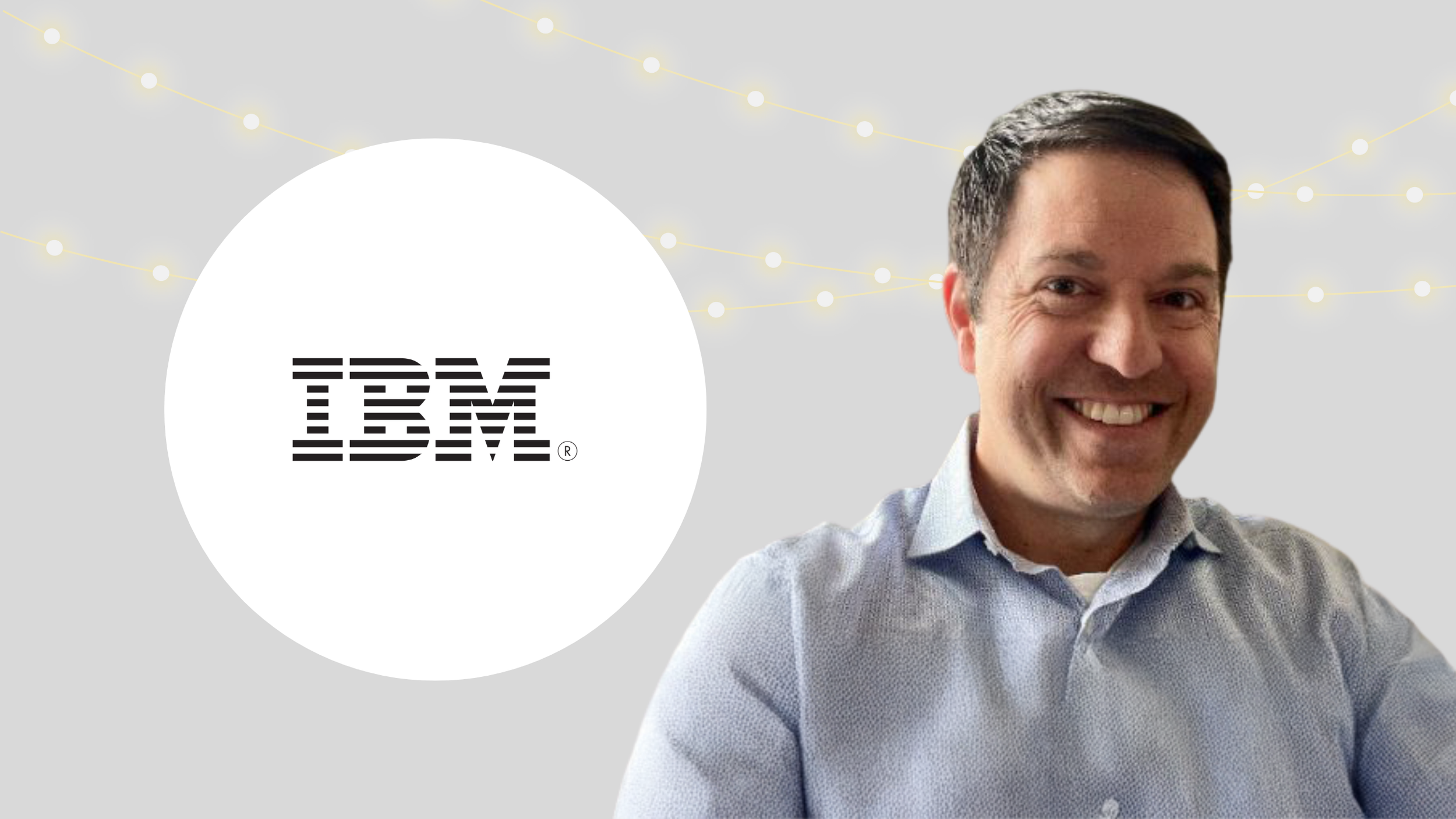
Chris Foltz
Chief Talent Officer
IBM
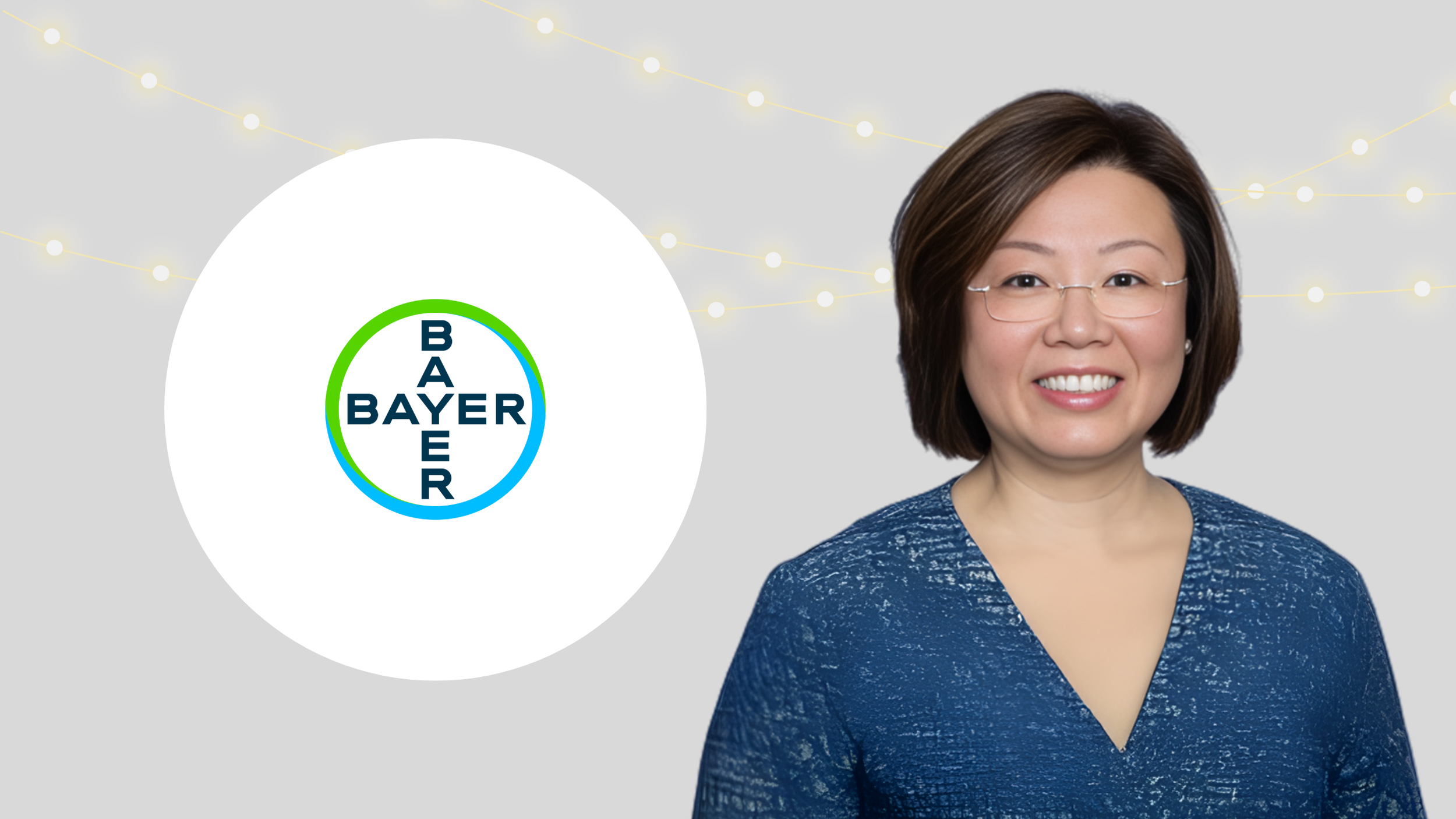
Marina Hong Mealin
Senior Vice President, Head of HR N.A
Bayer

Stephanie Kramer,
Chief HR Officer North America
L’Oréal

[Moderator] Frank Congiu
EVP, Human Capital Strategy and Executive Partnerships
Randstad
WHAT YOU WILL LEARN:
In most organizations, culture doesn’t collapse dramatically—it drifts quietly as transformation accelerates, pressure rises, and managers revert to old habits. In the human–machine era, leadership quality becomes even more decisive because employees will judge the “future of work” by the reality of their day-to-day: clarity, fairness, feedback quality, and whether managers can lead change without breaking trust.
The opportunity is to rebuild leadership as a system, not a set of programs—so expectations are consistent, manager habits improve, and culture becomes a performance advantage during volatility. The cost of getting this wrong is predictable: uneven employee experience, higher attrition risk, slower execution, and change fatigue that compounds. Success means managers become the most reliable mechanism for execution, adoption, and belief.
How to strengthen manager capability as the fastest lever for performance, retention, and change adoption.
How to prevent culture drift by operationalizing values into decisions and behaviors.
How leadership must evolve when teams include both human and AI contributors.
3:30 - 4:45 PM
The Talent Reset: Building the Human–AI Talent System for 2026 and Beyond
Speaker:
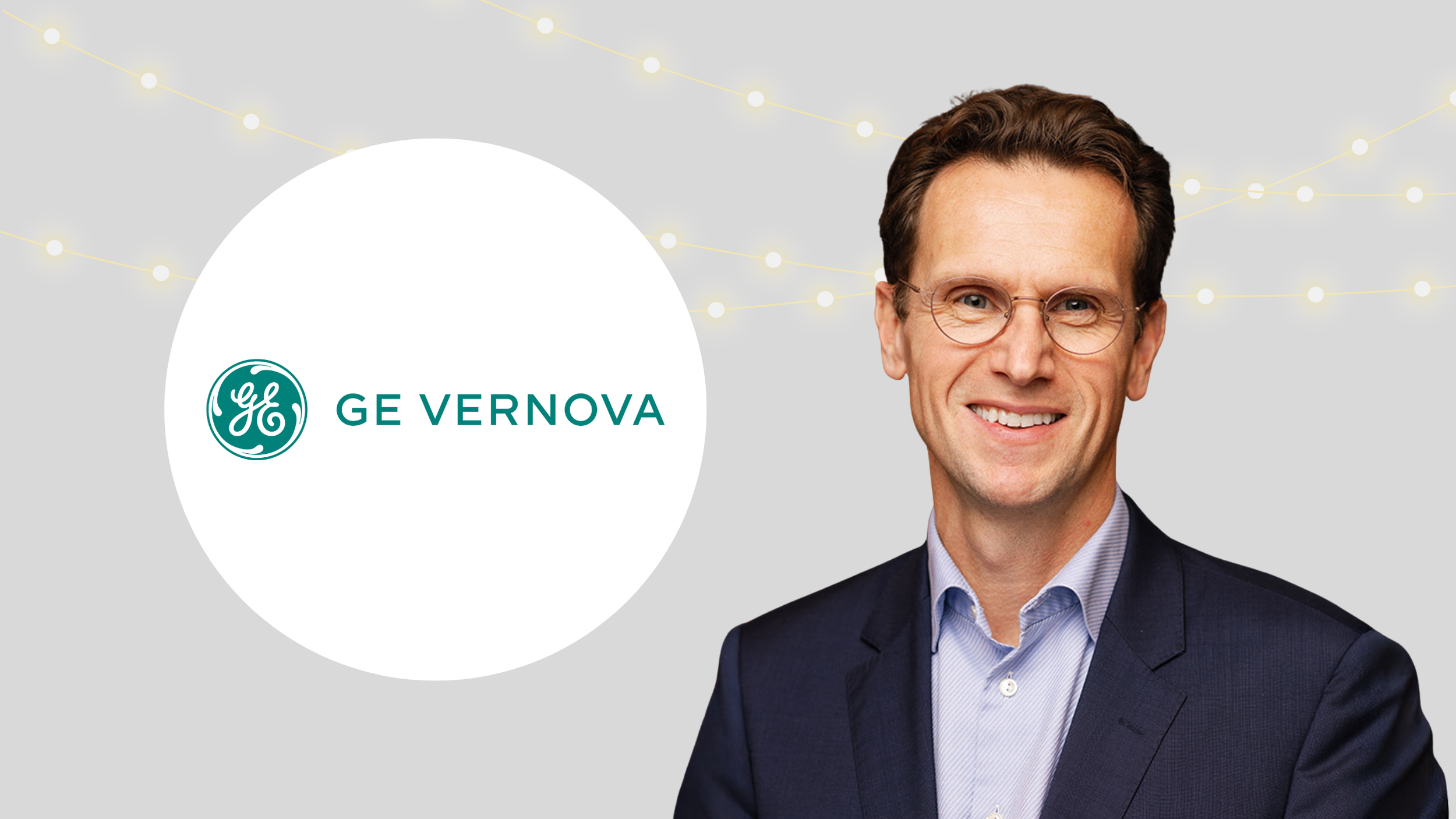
Steven Baert
Chief People Officer
GE Vernova
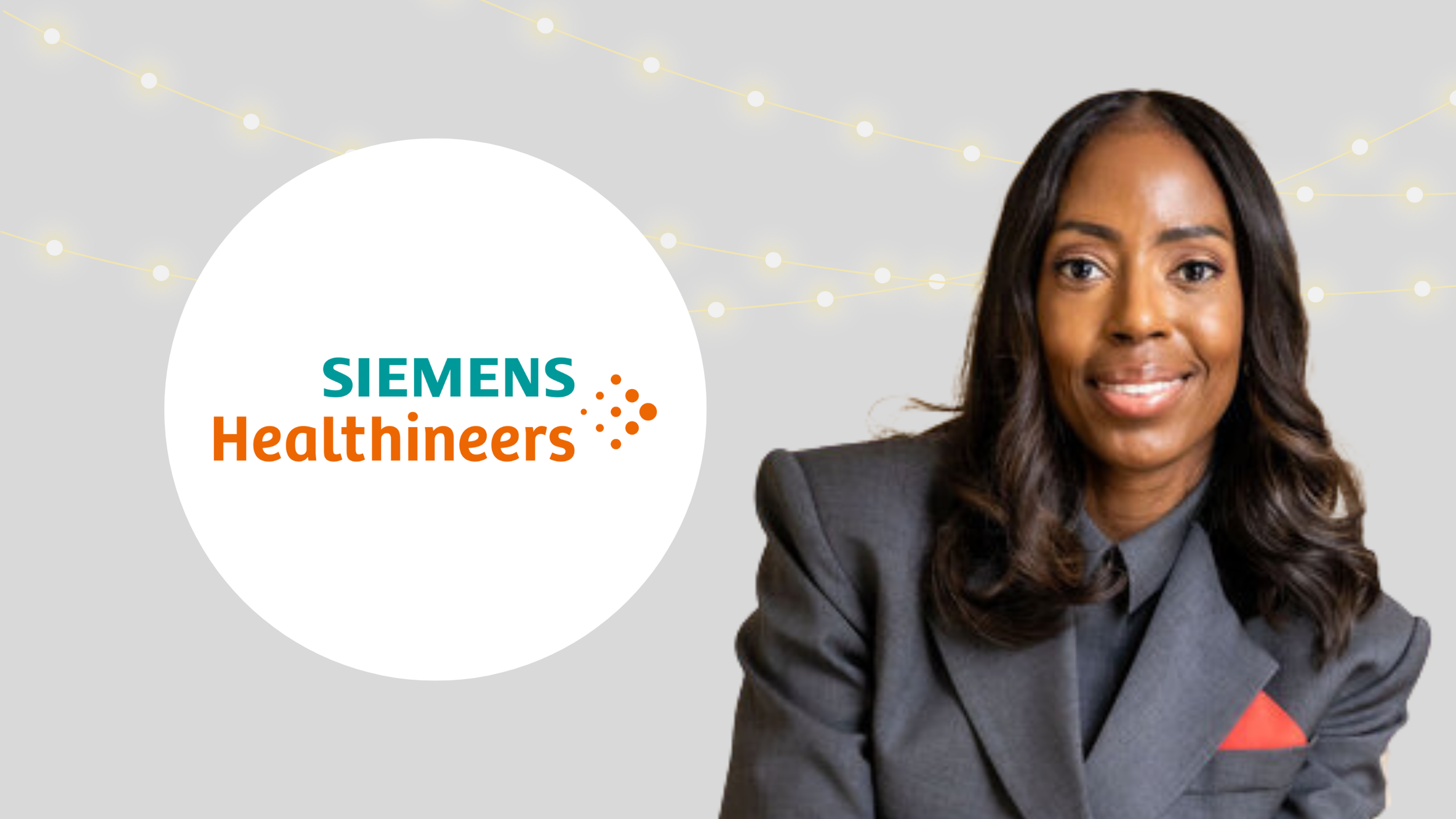
Kimian Dewar-Murray
Vice President HR
Siemens Healthineers

Anshul Sheopuri
Executive Vice President, People Operations & Insights
Mastercard
Amy Bouque
Chief People Officer
Kelly Services
WHAT YOU WILL LEARN:
Talent management is entering its biggest reset in decades. The old model, stable jobs, linear career paths, annual succession reviews, fixed talent pools and leadership pipelines built around yesterday’s roles, is no longer moving fast enough for a world where AI is reshaping work in real time.
The opportunity is to build a more dynamic human–AI talent system, where skills, potential, mobility, succession and development are connected to the work the business actually needs to deliver. The cost of getting this wrong is serious: outdated pipelines, broken career paths, critical roles left uncovered and employees unclear on where they fit in the future of the organisation. Success means CHROs can make talent more visible, more mobile and more future-ready, while ensuring AI enhances human potential rather than narrowing it.
How to redesign talent management around work, skills and potential — not static jobs, legacy roles or annual processes.
How to build future-ready succession and mobility systems that can move talent faster as business priorities and AI capabilities evolve.
How to use AI responsibly in talent decisions while protecting fairness, transparency, trust and human judgment.
4:45 - 5:30 PM
Closing Remarks & Networking Reception
SPEAKER:

[Host]
Khadija Ben Hammada
Member of the Executive Board and Chief People Officer
Merck
[Event Partner]
Parker Mitchell
Founder & CEO
Valence
Chris Rainey
CEO & Co-Founder
HR Leaders
Apply to Attend
Please fill out your details in the form below.
We reserve the right to reject any registrations if your role is to provide HR services, products, or consultancy offerings.
The HR Leaders Innovation Roundtable is strictly reserved for Executive level HR Practitioners (both generalists & specialists).
Why Should You Attend the Innovation Roundtable?

World Class Facilitators
The world’s most influential HR & business executives share
their insights and experiences from leading global brands

See World Class HR in Action
Our workshops are hosted by leading global companies who open their doors for a day of intimate discussions about specific challenges and transferable solutions

Personal and Powerful
Real takeaways from senior practitioners representing a diverse
range of industries guarantees you will have top-level conversations
Members






Hosted at Merck’s Headquarters in Darmstadt, Germany
Still Have Questions?
We've answered a few FAQs to get you started.
Looking for an answer more specific? Email us at 📧 hello@hrleaders.co
🧬 Is the event really taking place at Merck Group?
🎟️ Who can attend?
👤 Can I invite my colleagues?
🍲 Do I have to attend the pre-event evening dinner?
🚫 What's HR Leaders’ cancellation policy?
🏨 What about accommodation?
A Few Pics from Around the world