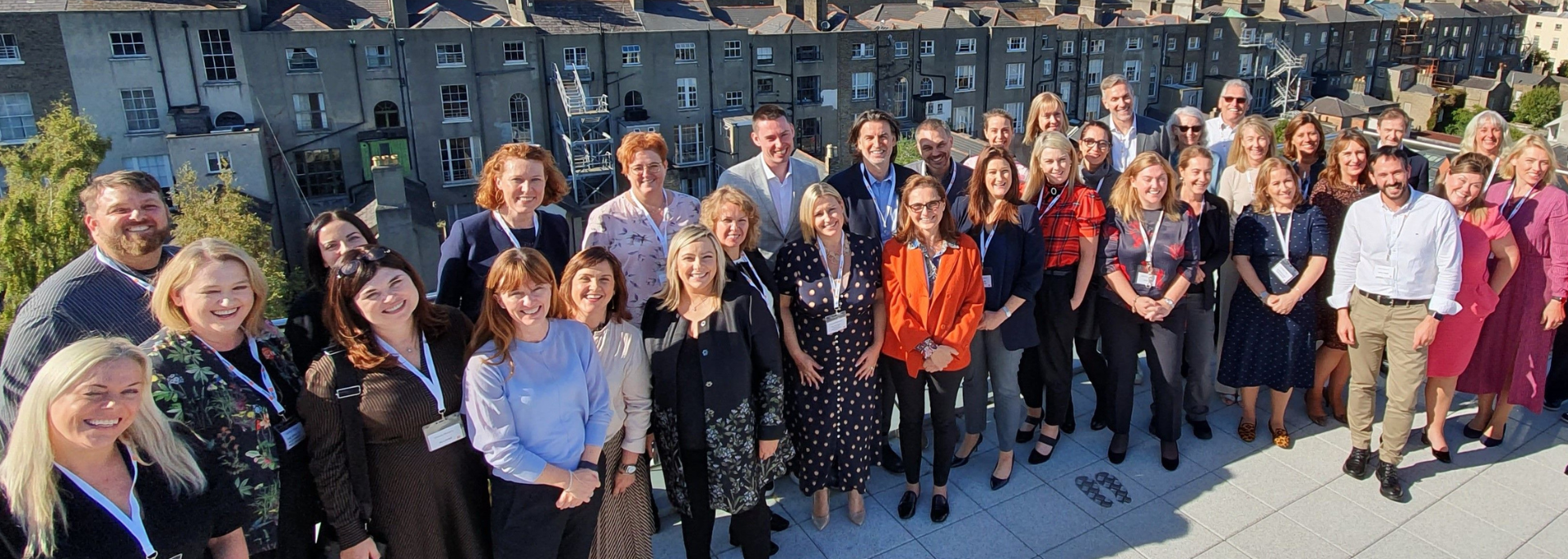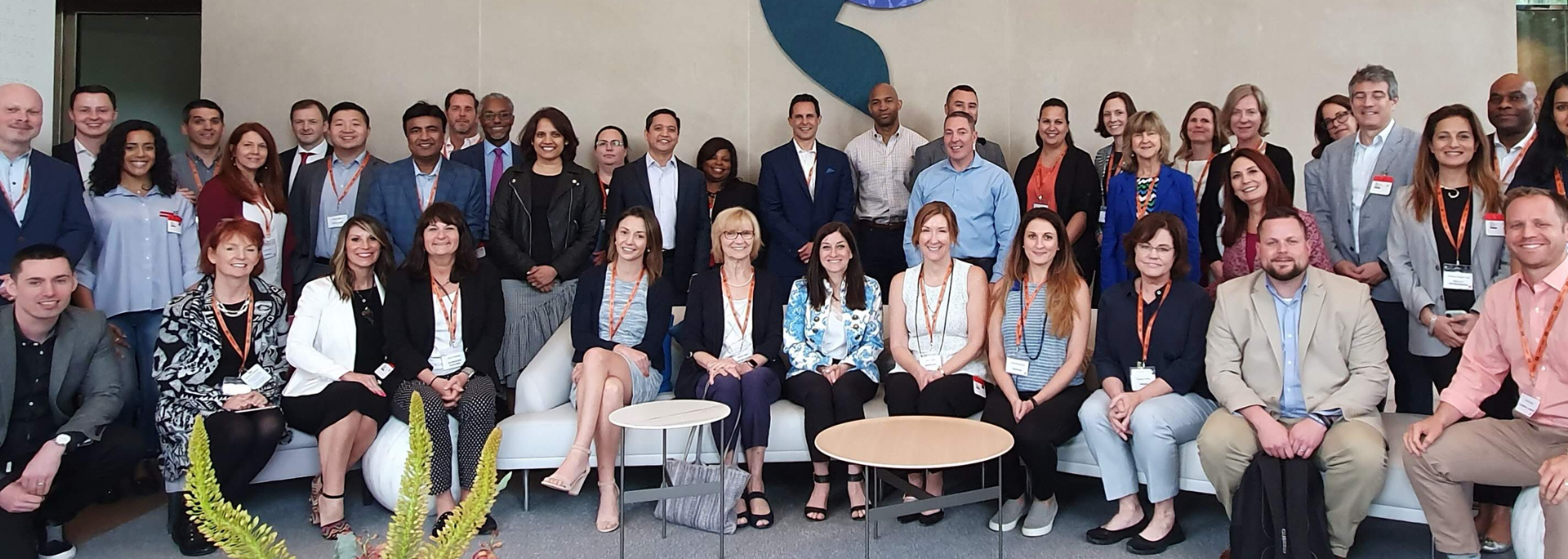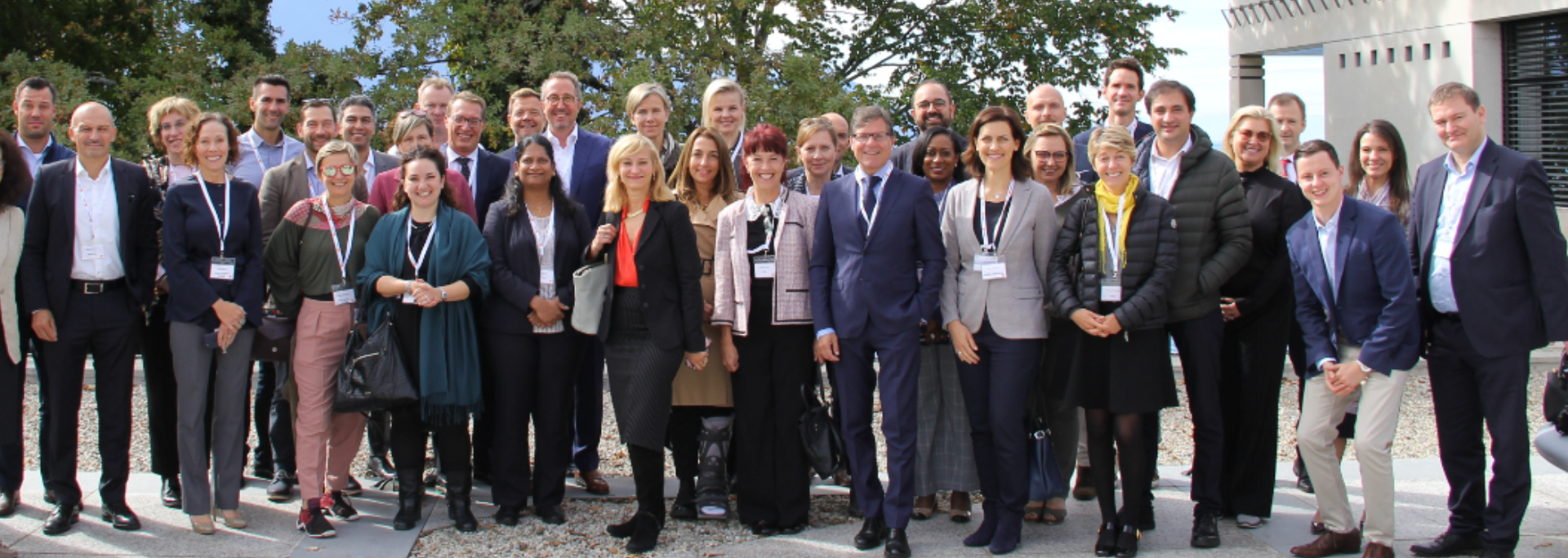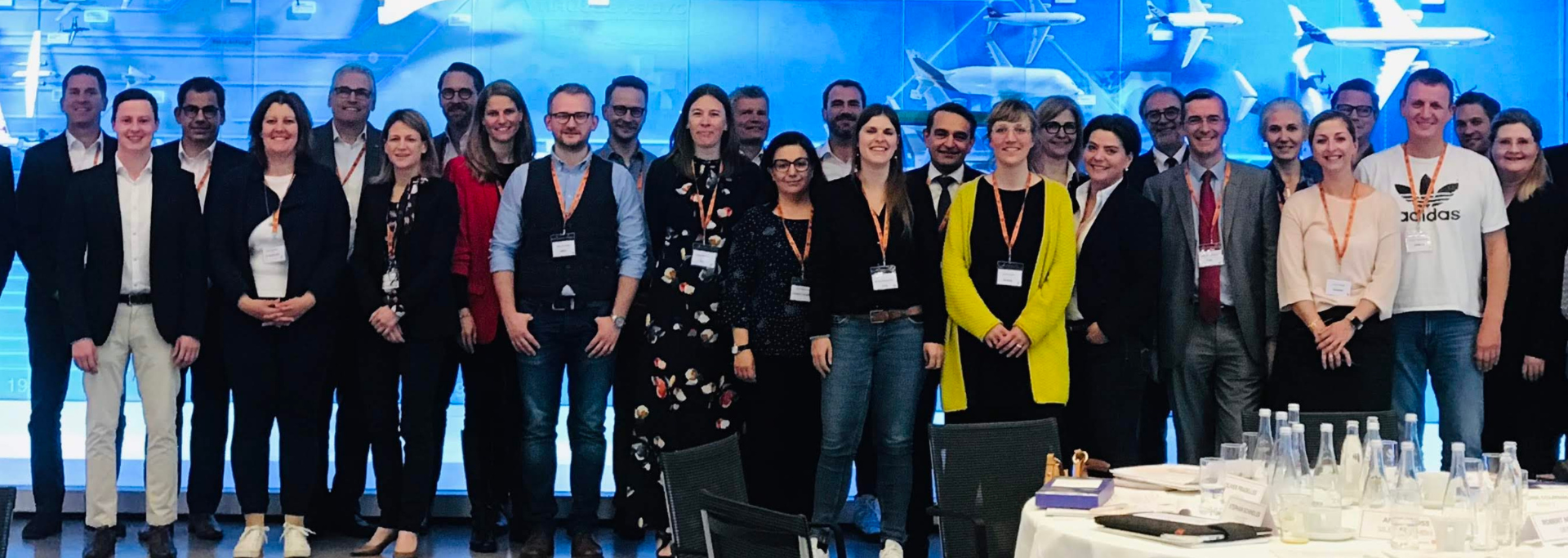

What is the HR Innovation Roundtable?
A powerful closed-door workshop bringing together 40 Chief HR Officers & Global HR & Total Rewards Execs from leading global
brands for intimate discussions about specific challenges and transferable solutions.

Agenda: Day 1
28th October 2026 | Nokia’s Campus HQ
12:45 - 1 PM
Arrival Reception & Welcome
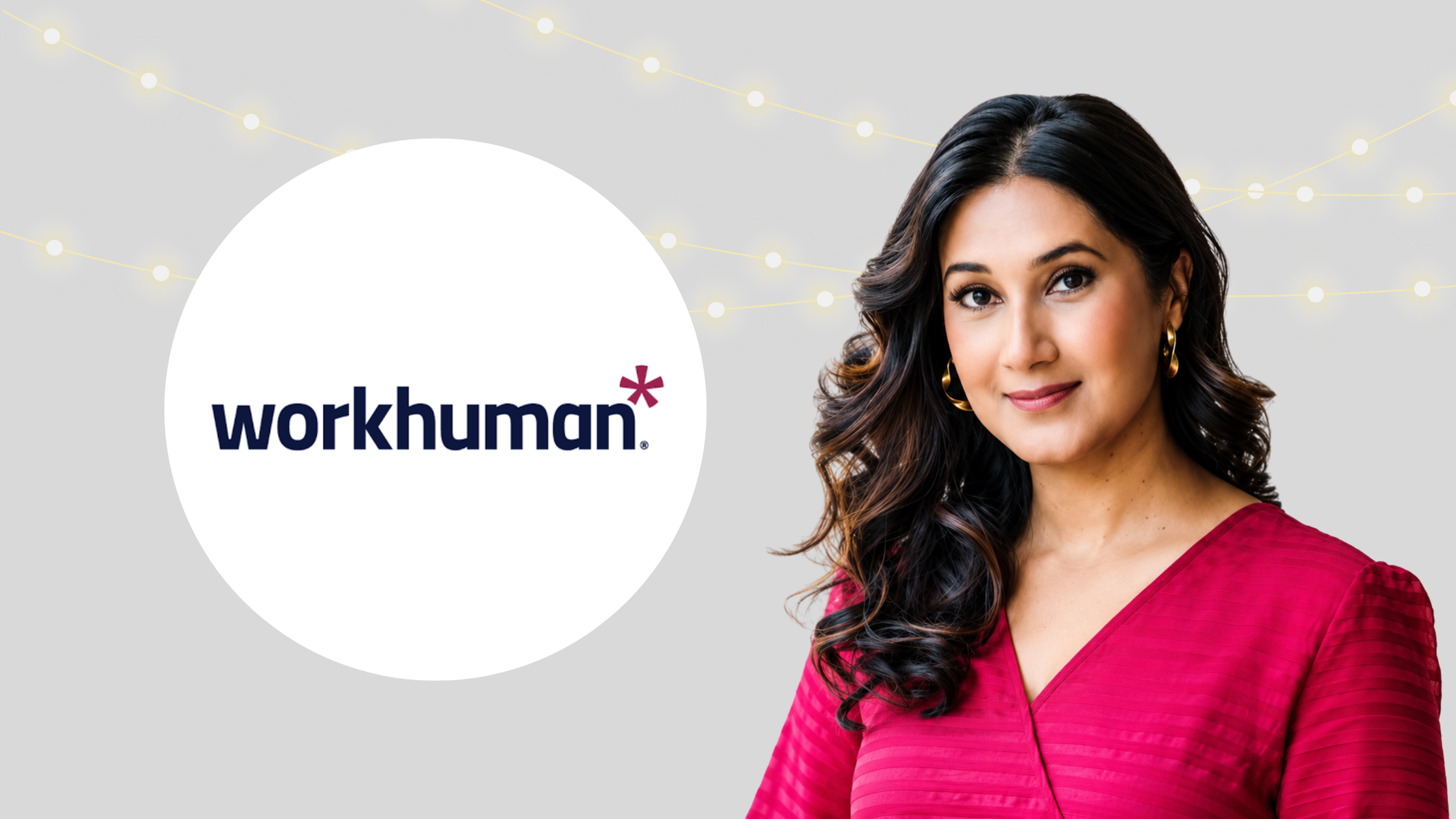
[Event chair]
Saima Rashid
Chief Marketing Officer
Workhuman

[Host]
Kristen Pressner
Chief People Officer,
Member of the Group Leadership Team
Nokia
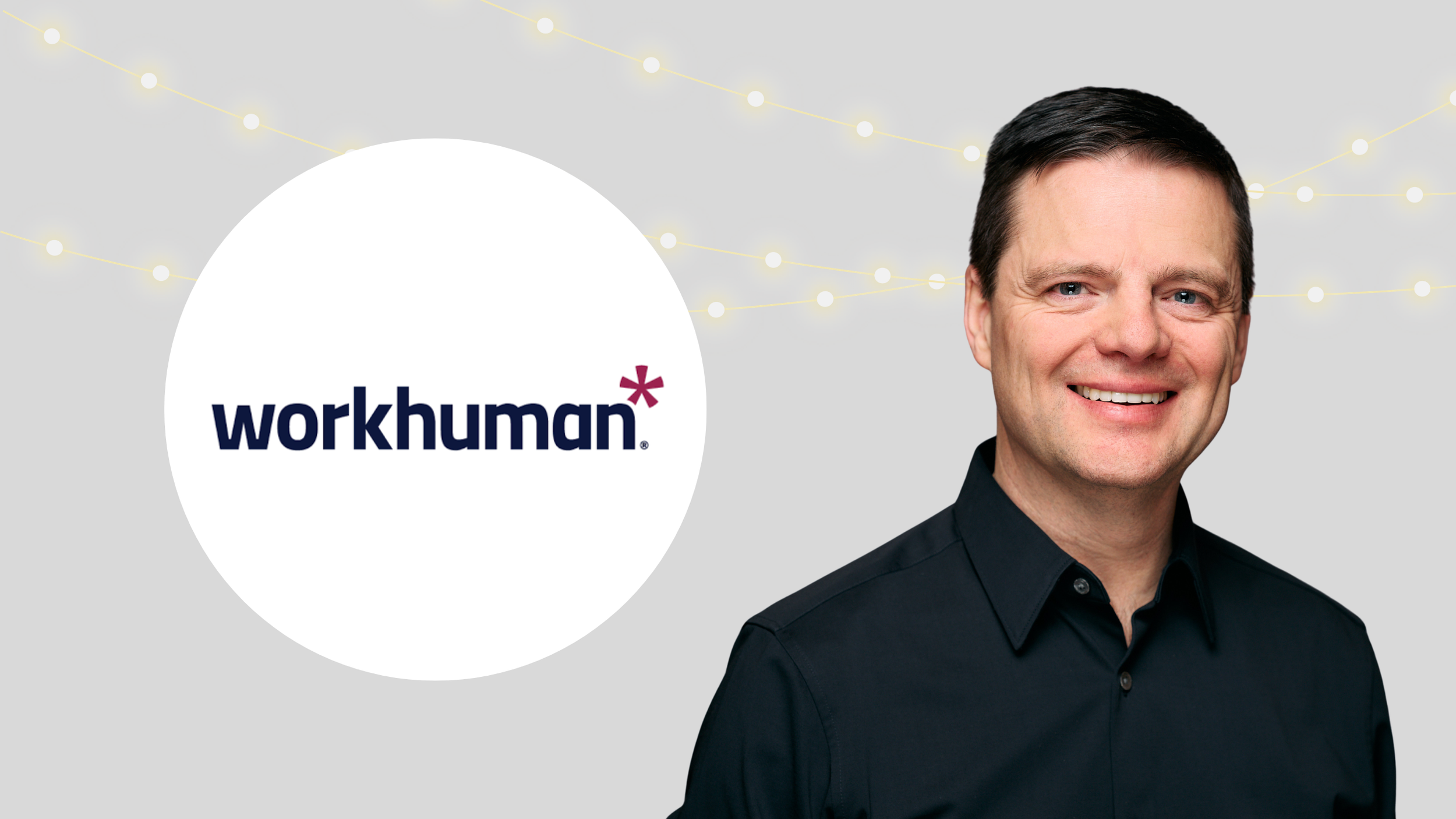
[Event Partner]
Eric Mosley
CEO & Co-Founder
Workhuman
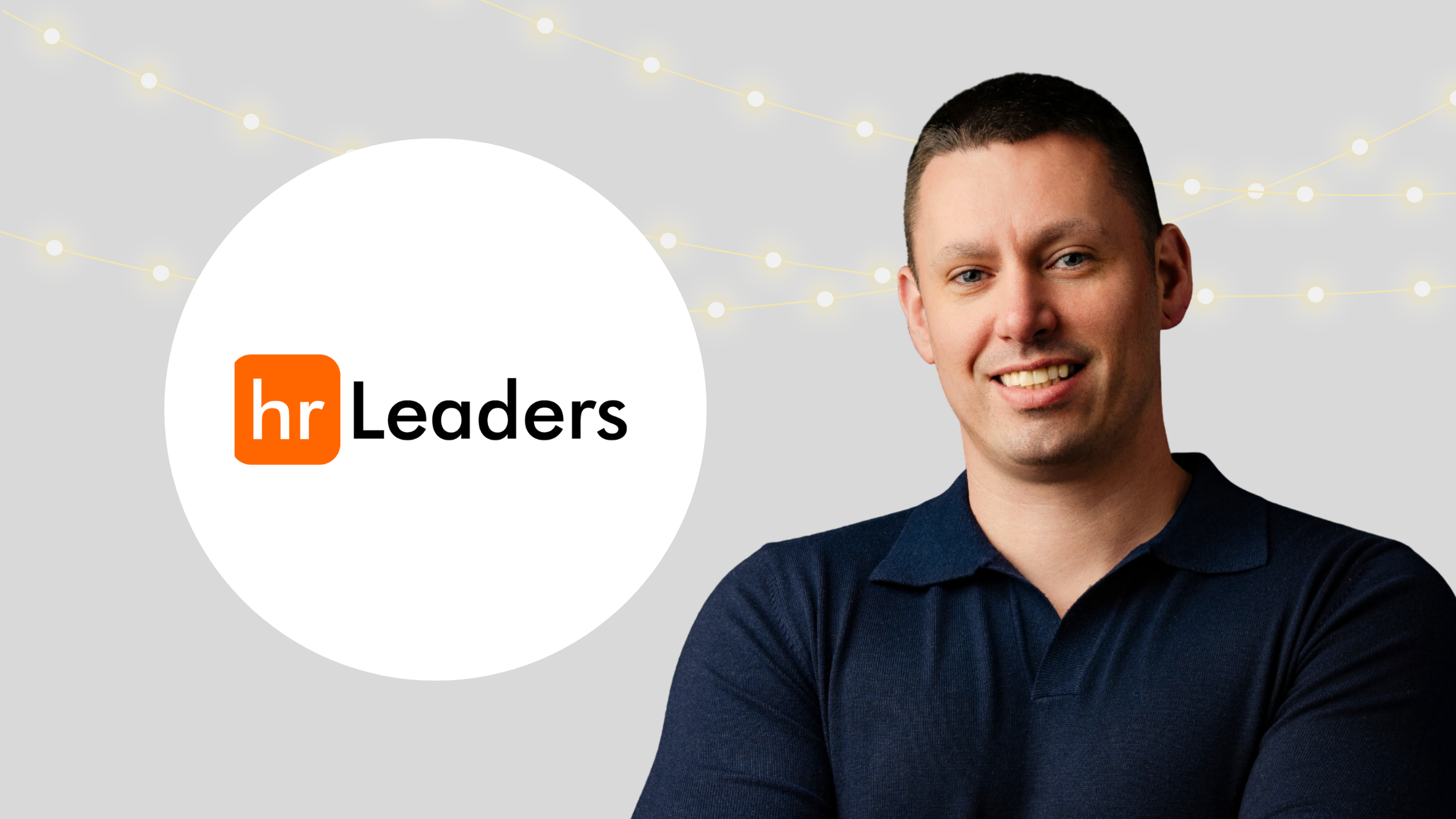
[Organiser]
Chris Rainey
CEO & Co-Founder
HR Leaders
About:
For more than 160 years, Nokia has evolved by staying ahead of each new wave of technology. Founded in Finland in 1865, the company’s journey has spanned everything from industrial roots and paper mills to becoming one of the world’s most iconic mobile phone brands. Today, Nokia is a global B2B technology leader focused on network infrastructure, mobile networks, cloud and network services, and licensing, helping service providers, enterprises, governments and hyperscalers build the critical connectivity required for the AI era. In 2025, Nokia reported €19.9 billion in net sales and employed approximately 78,000 people globally, reflecting both its continued scale and its importance to the digital infrastructure powering modern economies.
Nokia’s transformation is equally visible in the culture it is building around innovation, inclusion and performance. The company has been recognised by LinkedIn as one of the 2025 Top Companies to grow a career, and was also named a top employer in the tech category. Join us in Finland for a two-day experience hosted across two distinctive Nokia environments: Day 1 at the Executive Experience Centre (EEC) on Nokia Campus in Espoo, and Day 2 at Nokia’s International Training Centre in Båtvik. Together, these settings offer a fitting backdrop for conversations about leadership, transformation, capability-building and the future of work inside one of the world’s most enduring technology companies.
1 - 1:30 PM
The Uncomfortable Truth: What is HR for in the AI era?
KEYNOTE SPEAKER:

Kristen Pressner
Chief People Officer,
Member of the Group Leadership Team
Nokia
WHAT YOU WILL LEARN:
HR has an identity crisis. Headlines suggest companies can simply do without it, and with AI changing work faster than ever, many people leaders are asking what their function is really for. Kristen Pressner, Chief People Officer at Nokia, doesn't buy that narrative. She argues that HR's goal shouldn't be to guarantee its own existence, but to bring distinct impact to the business.
Drawing on decades in HR, from global mobility in a pre-internet world to leading a people organization through a transformation, Kristen traces how each wave of change has redefined what HR is for. She then shares, openly, what Nokia is doing about it right now. This keynote sets the tone for the two days: a candid starting point for leaders working through the same uncharted territory.
Why HR's seat at the table is no longer a given, and how its role is shifting from running programs to helping the organization work out who it is, who it's becoming, and how to deliver along the way.
How Nokia is redesigning its people organization for the AI era: doing fewer things, building end-to-end teams that work the way AI works, adding new transformation capabilities, and measuring what matters to the business.
The questions every CPO/CHRO needs to be asking about 2036: where HR will drive impact, and how to set up your organization for where work is heading, not where it is today.
1:30 - 2 PM
The CPO x CIO Alliance: The Work Tech Blueprint for 2027
PanelistS:

Kristen Pressner
Chief People Officer,
Member of the Group Leadership Team
Nokia
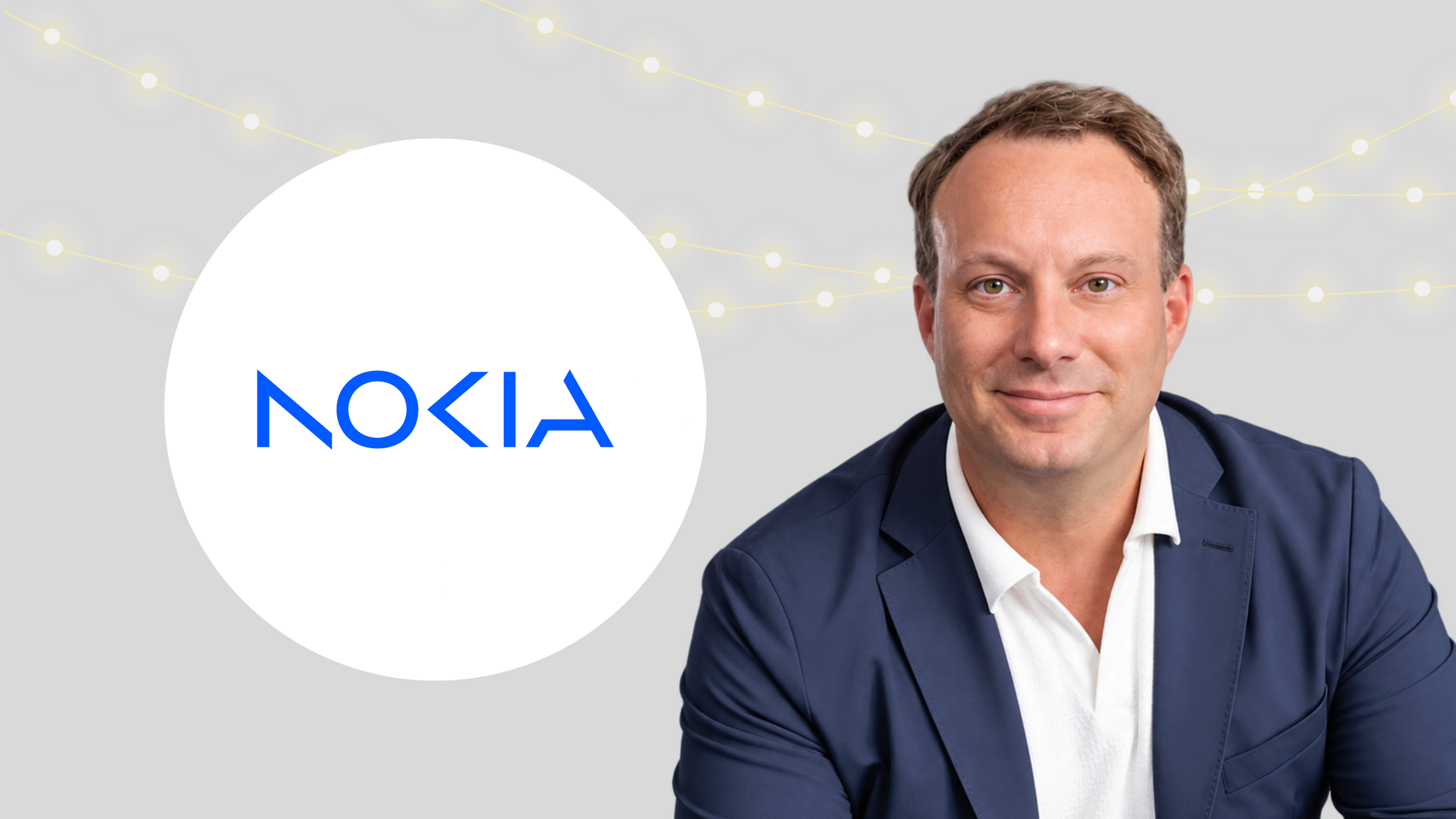
Florian Roth
Chief Information Officer
Nokia
WHAT YOU WILL LEARN:
AI doesn’t fail in organizations because the models aren’t powerful enough. It fails because the operating system around it is weak: fragmented data, unclear governance, competing tool stacks, and no shared ownership between HR and IT. This Nokia fireside is about the partnership that fixes that, showing how CIO, Data/AI, and HR governance leaders align architecture, privacy, quality, and product thinking so employees feel the benefit in everyday work.
The opportunity is to build a true work-tech layer that makes HR faster, more personalized, and more proactive without compromising trust. The cost of getting this wrong is high: tech sprawl, adoption fatigue, risk exposure, and employee skepticism. Success means the employee experience improves because the foundations are right where data is reliable, AI is governed, and HR/IT share accountability for outcomes.
How to structure the CHRO–CIO partnership so work-tech decisions are shared, fast, and outcome-driven.
How HR data governance enables personalization and agentic workflows without eroding trust.
How to modernize the HR tech stack into an employee-facing “work system,” not a set of disconnected tools.
2:20 - 3:20 PM
From Provocation to Practice: What Must HR Do Differently in the AI Era?
Collaborative Deepdives:

What is HR for in the AI era? And what needs to change for it to deliver? Following Kristen Pressner’s keynote and the CPO x CIO discussion, this 30-minute roundtable brings leaders together to debate the implications for their own organizations.
This is your opportunity to challenge what you’ve heard, compare approaches with peers, and work through the difficult choices behind HR’s reinvention. Where should HR focus its effort? What should it stop doing? And how should HR and IT share responsibility for changing the way work gets done?
Debate where HR creates distinct business value: if you were rebuilding the function today, what would you keep, stop, or fundamentally redesign?
Explore what a shared HR x IT agenda requires: who should own the decisions, investment, and outcomes. And how do you resolve competing priorities?
Challenge the trade-offs behind AI adoption: how do you balance speed and personalization with trust, governance, and an employee experience that actually improves?
Identify one change to take back to your organization: a practical step to strengthen HR’s impact or its partnership with IT.
3:40 - 4:40 PM
The Total Rewards Reset: What to Reward, Where to Invest as AI Changes Work
PanelistS:
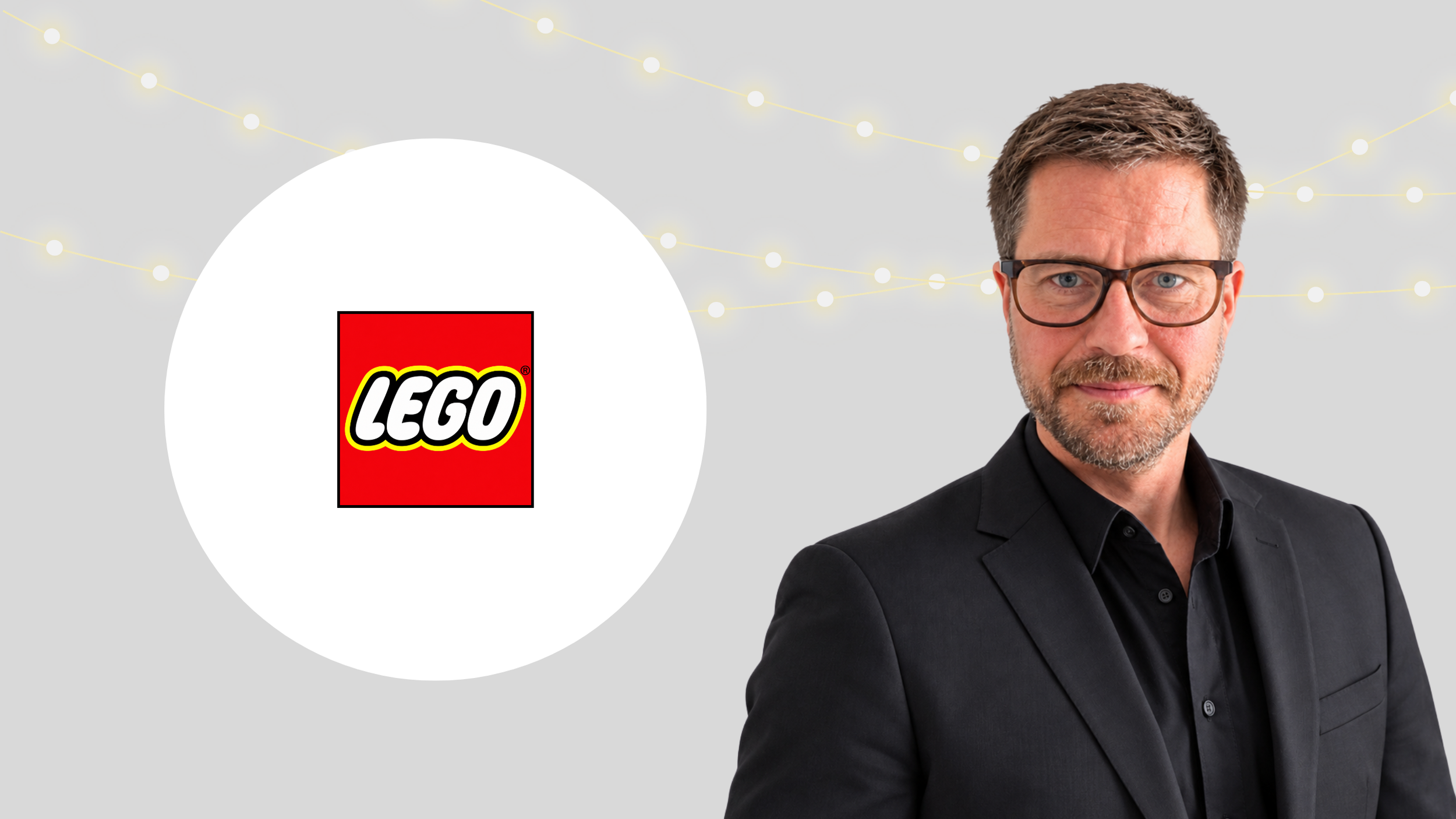
Kent Frederiksen
Vice President Rewards
The LEGO Group
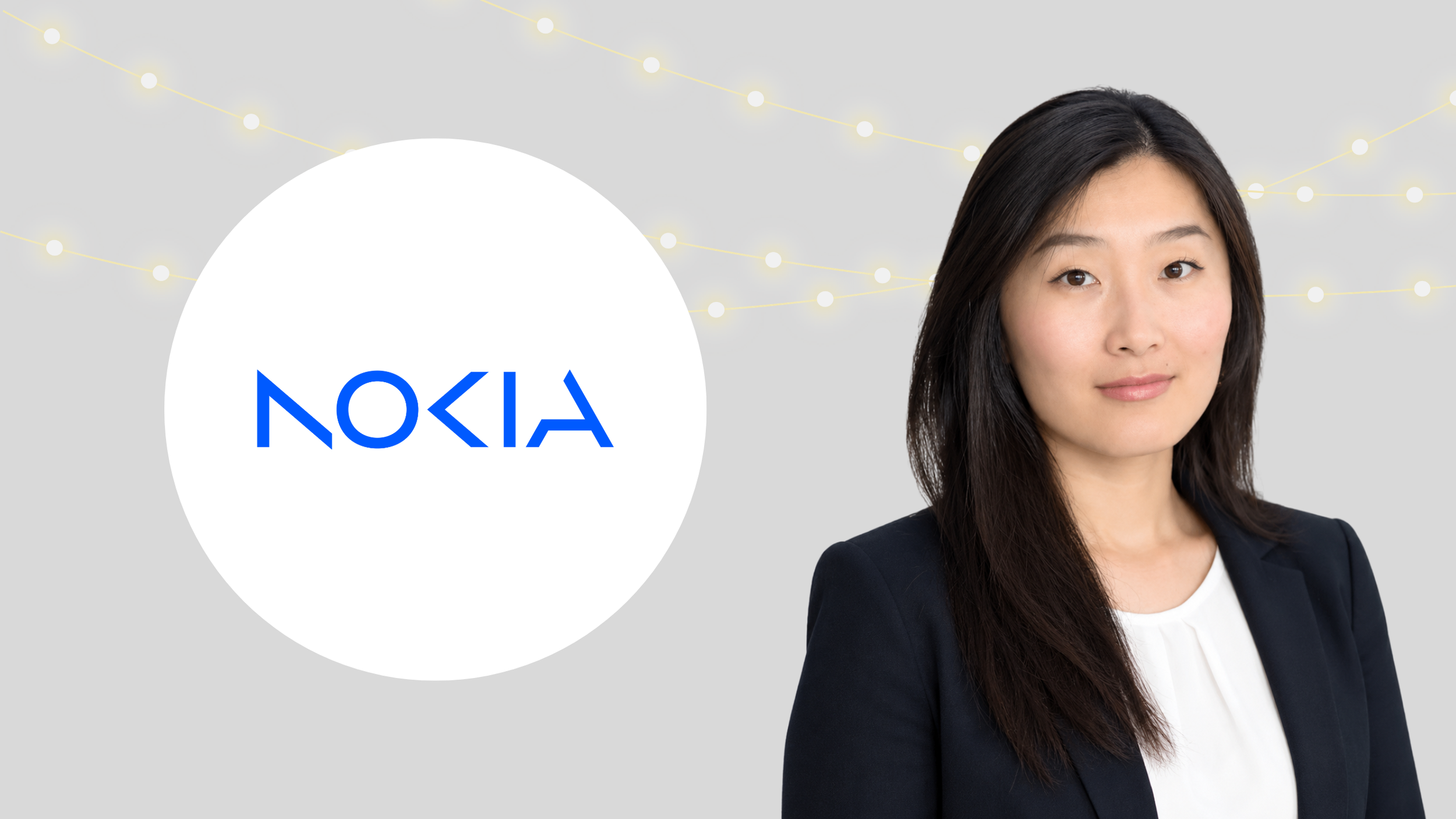
Zijun Zhao
Vice President, Total Rewards
Nokia
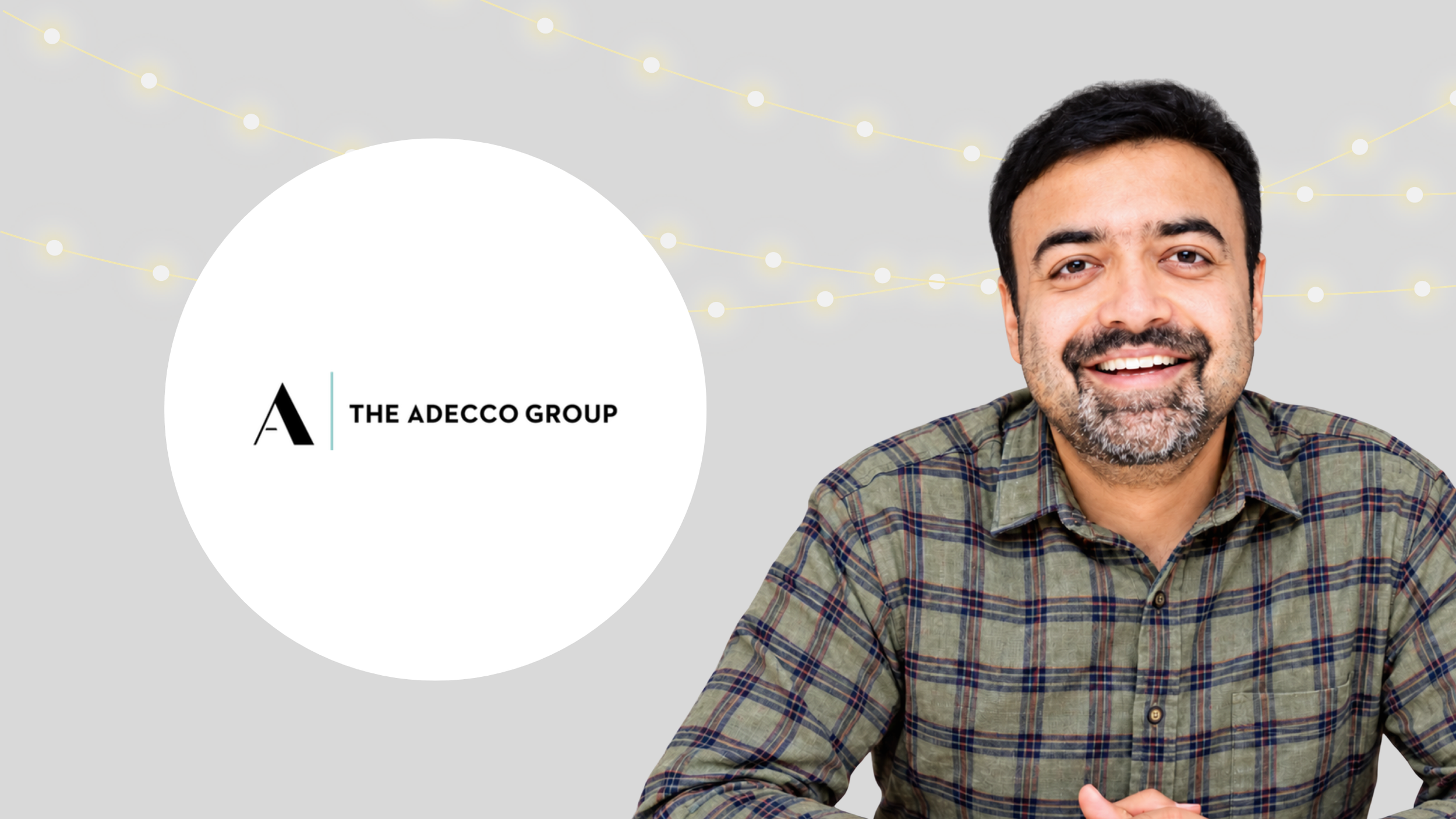
Ayan Majumdar
Vice President Total Reward
The Adecco Group

Nina Lönnquist
Global Head of Performance & Reward
ABB
[Moderated by]
Meisha-ann Martin
Vice President People Research
Workhuman
WHAT YOU WILL LEARN:
As AI changes how work gets done, total rewards leaders face a new challenge: deciding what contribution is worth, which capabilities deserve investment, and how to reward performance fairly. When technology helps employees deliver more, traditional assumptions about effort, skills and results become harder to apply. Across compensation, benefits and recognition, the opportunity is to strengthen the connection between what organisations reward, what employees value, and what the business needs to achieve.
This panel will explore how global enterprises can evolve their reward strategies while making practical choices about AI. Where could better insights improve pay decisions, benefits relevance and the allocation of reward budgets? How should leaders approach emerging skills and changing expectations of performance? We’ll examine what to prioritise, what to pilot, and which foundations need strengthening whilst balancing innovation with affordability, global consistency, local relevance and employee trust.
What to reward as AI changes work: Rethink the relationship between skills, contribution and performance, including how to recognise results, learning and collaboration.
Where to invest for greater reward impact: Assess opportunities for AI to improve compensation insights, benefits relevance and employee understanding, with clear measures of success.
How to move from ambition to practical progress: Choose focused pilots, strengthen data and governance, and equip managers to explain decisions while preserving fairness and human judgement.
5 - 6 PM
Executive Experience Centre Tour: CHRO Translation Lab
PanelistS:
Tero Koski
Head of the Executive Experience Center
Nokia

WHAT YOU WILL LEARN:
Nokia’s EEC exists to bring innovation to life through immersive demos and direct access to experts built for showing what’s real, not what’s hyped. The added edge is the proximity to Nokia Bell Labs’ work in Espoo, including its Virtual Future X Lab alongside the EEC, which makes this more than a showroom: it’s a front-row seat into how digital and immersive technologies are evolving.
For CHROs, the opportunity is to leave not just inspired, but equipped to act as catalysts, enabling humans, organisations, and society to keep developing and innovating as AI reshapes work faster than traditional org design can respond.
What AI + digital transformation looks like in practice (and where the workforce implications hit first: skills, roles, leadership, trust).
How to translate “cool tech” into work redesign bets: what should change in work design, capability building, and operating cadence.
The CHRO as an enabler of innovation: how People leaders build the conditions for humans to adapt, learn, and create at speed.
6 - 7:30 PM
Networking, Drinks & Evening Dinner

Get to know your esteemed peers over some hors d'oeuvres and deliciously prepared cocktails. We will then head to a private restaurant for a three-course evening dinner. Enjoy the relaxed atmosphere in the presence of your peers to learn, share and ponder over the key topics of what was discussed earlier in the day and the exciting conversations in store for you on day 2.
Agenda: Day 2
29th October, 2026 | Batvik International Training Centre
8 - 8:45 AM
Registration & Breakfast followed by Welcome Reception
[Event Chair]
Saima Rashid
Chief Marketing Officer
Workhuman

[Host]
Kristen Pressner
Chief People Officer,
Member of the Group Leadership Team
Nokia
[Organiser]
Chris Rainey
CEO & Co-Founder
HR Leaders
Join us nice and early to grab a tasty bite to eat and your daily dose of caffeine to set you up for a full-on day of learning, sharing and innovating. At 9:10 AM hear a few words from our event chair (Chris), host (Kristen) and event partner (Saima) on what to expect over the course of the day.
9:20 - 9:50 AM
The People Strategy: Scaling Enterprise Execution Through AI
PanelistS:

Andrea Illes
Head of MI Core People
Nokia

Issa Eid
Head of GSCO People
Nokia
WHAT YOU WILL LEARN:
As Nokia transforms its business for the AI era, its people strategy has a critical role in turning ambition into execution. That means aligning workforce capabilities, organisational design and leadership expectations with the outcomes the business needs to deliver. In this Nokia-led session, we will explore people strategy as a business transformation lever, connecting the way people work, develop and lead to enterprise performance.
The discussion will examine three priorities: redesigning work before introducing technology, building the capabilities needed to realise AI’s value, and scaling change through leadership discipline. From simplifying processes and removing barriers to faster decisions, to strengthening ownership and helping teams adopt new ways of working, the session will explore how HR can make transformation practical while preserving employee trust and human judgement.
Make people strategy a lever for business transformation: Connect workforce priorities, skills and organisational design to the business outcomes that matter.
Redesign work before adding technology: Identify unnecessary complexity, simplify workflows and clarify responsibilities so AI improves execution rather than accelerates inefficient processes.
Scale through leadership discipline: Establish clear priorities, accountability and consistent leadership behaviours that help teams build confidence, adopt AI and sustain performance through change.
9:50 - 10:50 AM
The New Standard for Human-AI Productivity: How CHROs Redesign Work at Scale
PanelistS:
Ellen Pfeffel
Chief People Officer Europe
McKinsey & Company

Kristen Pressner
Chief People Officer, Member of the Group Leadership Team
Nokia

Selina Millstam
Senior Vice President and Global Head of People Growth and Leadership Excellence
SAP
[Moderated by]
Saima Rashid
Chief Marketing Officer
Workhuman
WHAT YOU WILL LEARN:
Most AI programs don’t fail because the technology isn’t powerful — they fail because organizations layer AI on top of broken workflows and reward “more output” instead of “better outcomes.” The result is familiar: volume goes up, but quality, trust, and decision velocity quietly fall as rework spreads across teams and managers spend more time reviewing, correcting, and firefighting.
This session is about the new CHRO mandate: moving from AI experimentation to work design. That means redesigning roles, workflows, decision rights, and performance expectations so AI removes friction and cognitive load at the source — not just speeds up the production of work that shouldn’t exist. The opportunity is to help the enterprise shift from “time saved” to “effort removed,” and to build a productivity model that scales quality and judgement, not noise.
How to identify the highest-friction moments in work where effort is wasted — and where AI should be applied first to remove drag, not create more output.
How to redesign performance expectations so teams optimise for quality, judgement, and decision velocity — not speed that creates downstream rework.
How to build human–AI workflows that scale: clear accountability, reliable handoffs, “human-in-the-loop” rules, and simple governance that accelerates adoption.
11:05 AM - 12:05 PM
The Workforce Readiness Agenda: Skills, Talent and AI Transformation
PanelistS:

Ruth (Pryor) Ovens
Chief People Officer Tech Target
Informa
Julia Zavileyskaya
Chief People Officer
DataArt
Christine Kirbach
Chief HR Officer
Elektrobit
Christina Brown
Chief People Officer
Mace Consult

[Moderated by]
Lynette Silva Heelan
International Consulting Practice Lead
Workhuman
WHAT YOU WILL LEARN:
The next 12 months will test whether organisations have the talent, skills and workforce flexibility to turn AI ambition into business impact. As AI reshapes work, roles and productivity expectations, CHROs can no longer rely on traditional talent models built around fixed jobs, linear careers and slow capability cycles. The organisations that move fastest will be those that can acquire, develop, manage and mobilise talent around the capabilities the business needs now and next.
This session focuses on building a more connected talent and skills strategy for the AI era. The challenge is not simply identifying skills gaps or launching new learning programmes. It is creating a workforce system that helps leaders understand where capability exists, where it needs to be built, where talent can be redeployed, and where AI can enhance human productivity. The opportunity is to build stronger pipelines, accelerate skills development, improve workforce agility and give the business greater confidence that its people strategy is ready for the pace of change ahead.
AI-readiness starts with talent strategy: How CHROs are reshaping workforce priorities around the skills, capabilities and talent moves the business will need most over the next 12 months.
Talent pipelines need to become more connected: How to link hiring, development, mobility, performance and succession into one joined-up system that builds stronger, more adaptable talent pipelines for the AI era.
Skills are changing faster than traditional development can keep up: How to respond to the shrinking half-life of skills by building a more flexible, productive and continuously developing workforce.
1:05 - 2:05 PM
Human Signals, Real Outcomes: Rethinking Innovation for the CHRO Agenda
PanelistS:
Eric Mosley
CEO & Co-Founder
Workhuman
Joe Cronin
Chief HR Officer
ICON Plc

[Moderated by]
Andreas Voigt
Chief of Staff to CPO & Head of People Organisation Transformation
Nokia
WHAT YOU WILL LEARN:
For enterprise CHROs, the challenge is no longer simply having more people data. It is knowing what is really happening across the workforce and being able to act on it before traditional surveys, talent reviews and dashboards catch up. As AI reshapes work and increases pressure on leaders to make faster decisions about talent, skills, culture and leadership pipelines, everyday signals of contribution, collaboration and recognition are becoming a valuable source of workforce intelligence. Workhuman is increasingly applying AI to these signals to surface patterns in performance, retention, skills and emerging leadership potential.
The opportunity for CHROs is to turn recognition from a programme into an enterprise capability: reinforcing the behaviours and values the organisation needs while creating a richer, real-time view of its people. Organisations that fail to make this shift risk overlooking critical talent, reacting too slowly to cultural and workforce risks, and making high-stakes people decisions using incomplete or lagging information. Get it right, and recognition becomes part of the intelligence layer CHROs can use to strengthen culture, retain critical talent, identify future leaders and make better workforce decisions at scale.
From recognition to intelligence: How everyday human signals can reveal patterns in culture, performance, skills, retention and leadership potential that traditional HR data can miss.
From hindsight to foresight: How AI and predictive workforce intelligence can help CHROs identify emerging talent, risks and opportunities earlier and make more evidence-based decisions.
From programme to enterprise capability: How to build recognition into the flow of work so it strengthens culture while creating a continuous source of insight for workforce and business strategy.
2:20 - 3:20 PM
The Manager Operating System Built for AI Transformation: From Leadership Programs to Leadership Infrastructure
panelists:
Nikola Faulkner
Chief Human Resources Officer
Dormakaba
Meisha-ann Martin
Vice President People Research
Workhuman

Anouk de Graaf
Executive Vice President People,
Sustainability and Corporate Relations
Outokumpu

Selina Justen
Vice President, HR & Internal Communication, Marine
Wärtsilä

[Moderated by]
Andrea Illes
Head of MI Core People
Nokia
WHAT YOU WILL LEARN:
Strategy doesn’t fail at the top. It fails in the middle. In the next 12 months, the biggest constraint on execution will be manager capacity and leadership discipline under relentless change. The problem isn’t that leaders lack vision. It’s that most organisations still treat leadership as a “program,” when what they actually need is a repeatable operating cadence: clarity, prioritisation, coaching, decision-making, and change routines that are practised under pressure.
This session reframes leadership as infrastructure. The opportunity is for CHROs to build a system where change becomes routine rather than disruptive, managers are protected from overload, and leadership behaviours are reinforced through performance expectations and simple rhythms, not abstract competency models. This is how organizations move faster without burning out the people expected to carry transformation.
How CHROs are redefining the role of managers as change catalysts, adoption leaders and confidence builders in the age of AI.
How to equip managers with the routines, tools and support needed to lead teams through AI-driven change without increasing overload.
How to build stronger leadership infrastructure that improves communication, coaching, prioritisation and performance as work continues to evolve.
3:35 - 4:35 PM
Agentic HR: The Operating Model HR Needs for 2027
Facilitators:
Saima Rashid
Chief Marketing Officer
Workhuman
Chris Rainey
CEO & Co-Founder
HR Leaders
WHAT YOU WILL LEARN:
This working session turns two days of discussion into a practical blueprint for HR in 2027. CHROs will identify one HR workflow where human-agent collaboration could improve business execution. From employee support and HR operations to talent, skills and workforce planning. They will pressure-test that opportunity with peers, define what agents could own and where human judgement must remain, and commit to one decision they can advance in the next 90 days.
The focus is on the operating choices that turn experimentation into measurable value: redesigning work across teams and systems, establishing clear accountability, and building trust and governance into everyday delivery. Each leader will leave with a focused priority, a measure of success, and a concrete next step to take back to the business.
How to identify an end-to-end HR workflow where human-agent collaboration could reduce cycle time, improve service or decision quality, and release capacity for higher-value work.
How to redesign roles and decision rights around that workflow, defining what agents can execute, what people must approve, and when intervention or escalation is required.
How to pressure-test the opportunity with peers, including data and system readiness, permissions, employee trust, and the barriers to moving beyond a pilot.
How to turn the opportunity into a 90-day action commitment with a clear owner, practical boundaries, and measures of business value that resonate with the CEO and CFO.
4:20 - 5 PM
Closing Remarks & Networking Reception

[Host]
Kristen Pressner
Chief People Officer,
Member of the Group Leadership Team
Nokia
[Event Partner]
Saima Rashid
Chief Marketing Officer
Workhuman
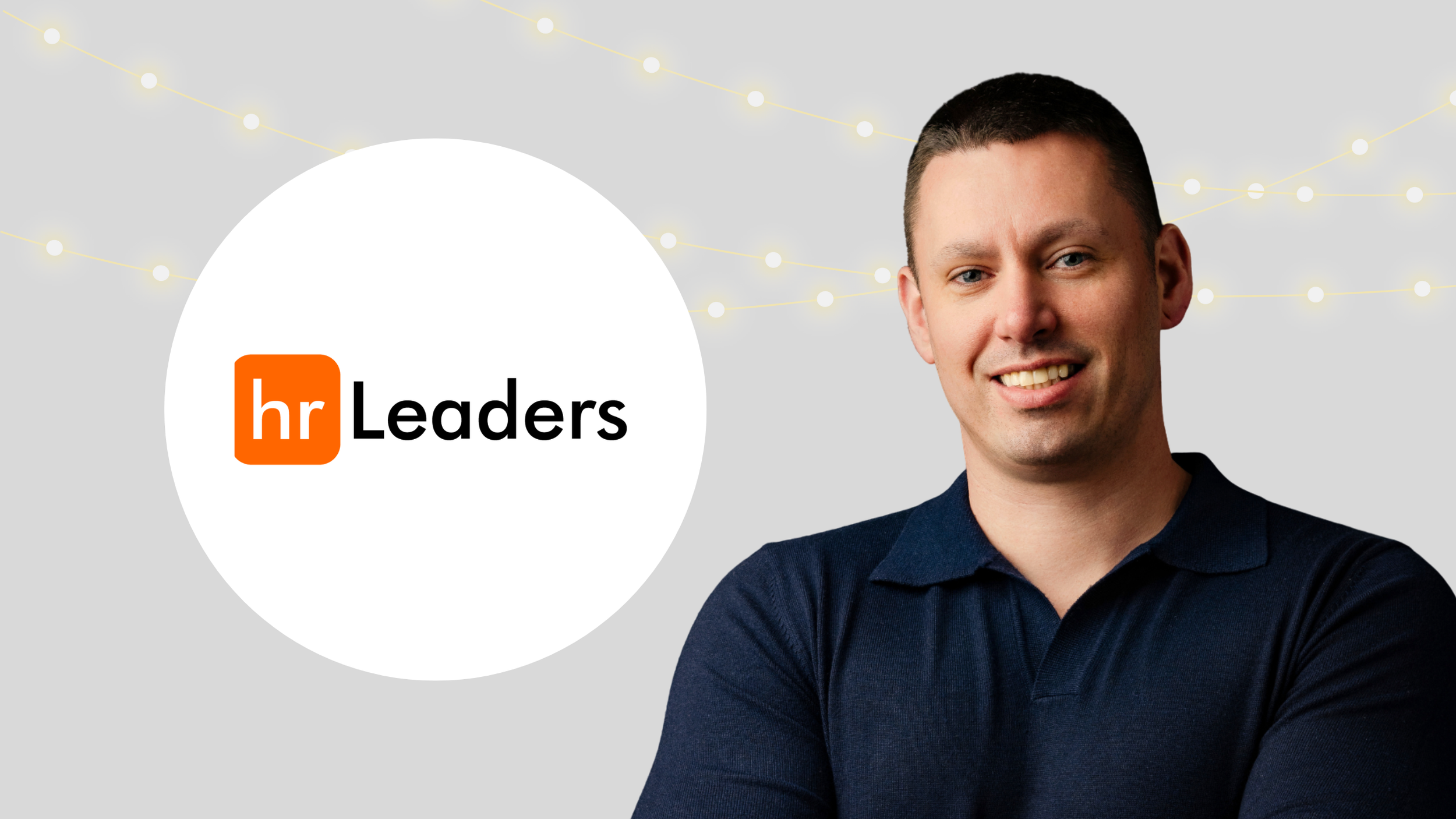
[Organiser]
Chris Rainey
CEO & Co-Founder
HR Leaders
Apply to Attend
Please fill out your details in the form below.
We reserve the right to reject any registrations if your role is to provide HR services, products, or consultancy offerings.
The HR Leaders Innovation Roundtable is strictly reserved for Executive level HR Practitioners (both generalists & specialists).
Why Should You Attend the Innovation Roundtable?

World Class Facilitators
The world’s most influential HR & business executives share
their insights and experiences from leading global brands

See World Class HR in Action
Our workshops are hosted by leading global companies who open their doors for a day of intimate discussions about specific challenges and transferable solutions

Personal and Powerful
Real takeaways from senior practitioners representing a diverse
range of industries guarantees you will have top-level conversations
Members





Hosted at Nokia’s Headquarters in Helsinki, Finland
Still Have Questions?
We've answered a few FAQs to get you started.
Looking for an answer more specific? Email us at 📧 hello@hrleaders.co
📡 Is the event really taking place at Nokia?
🎟️ Who can attend?
👤 Can I invite my colleagues?
🍲 Do I have to attend the pre-event evening dinner?
🚫 What's HR Leaders' cancellation policy?
🏨 What about accommodation?
A Few Pics from Around the world