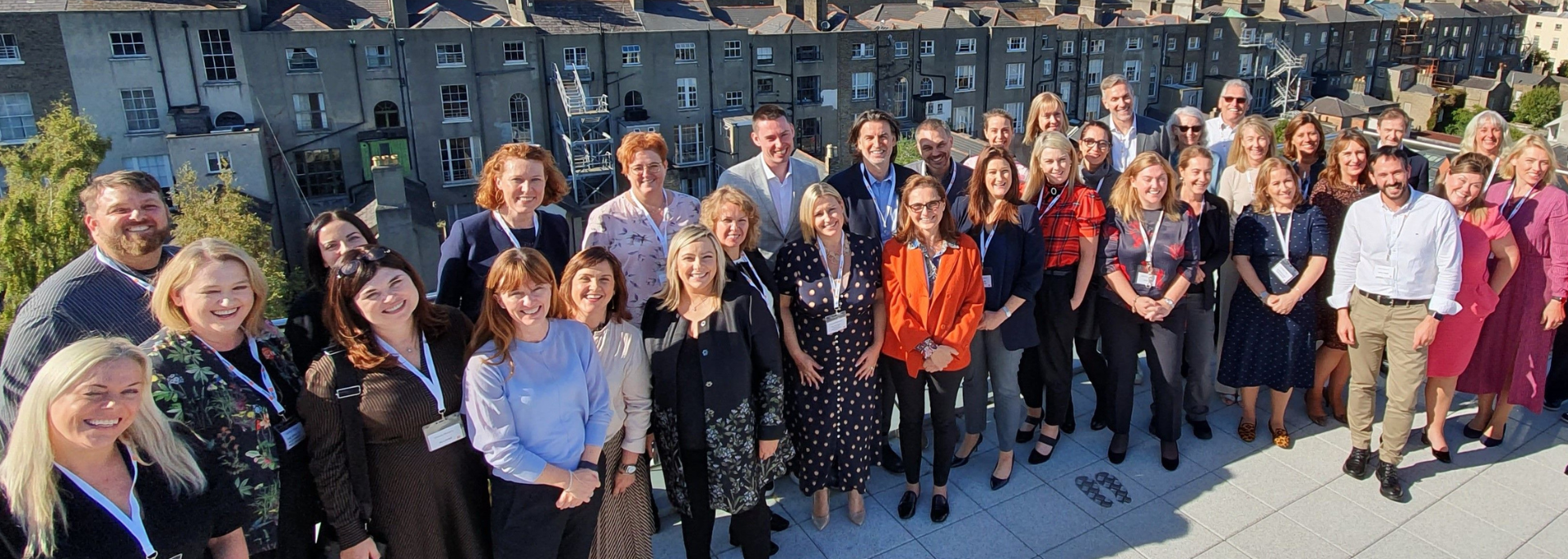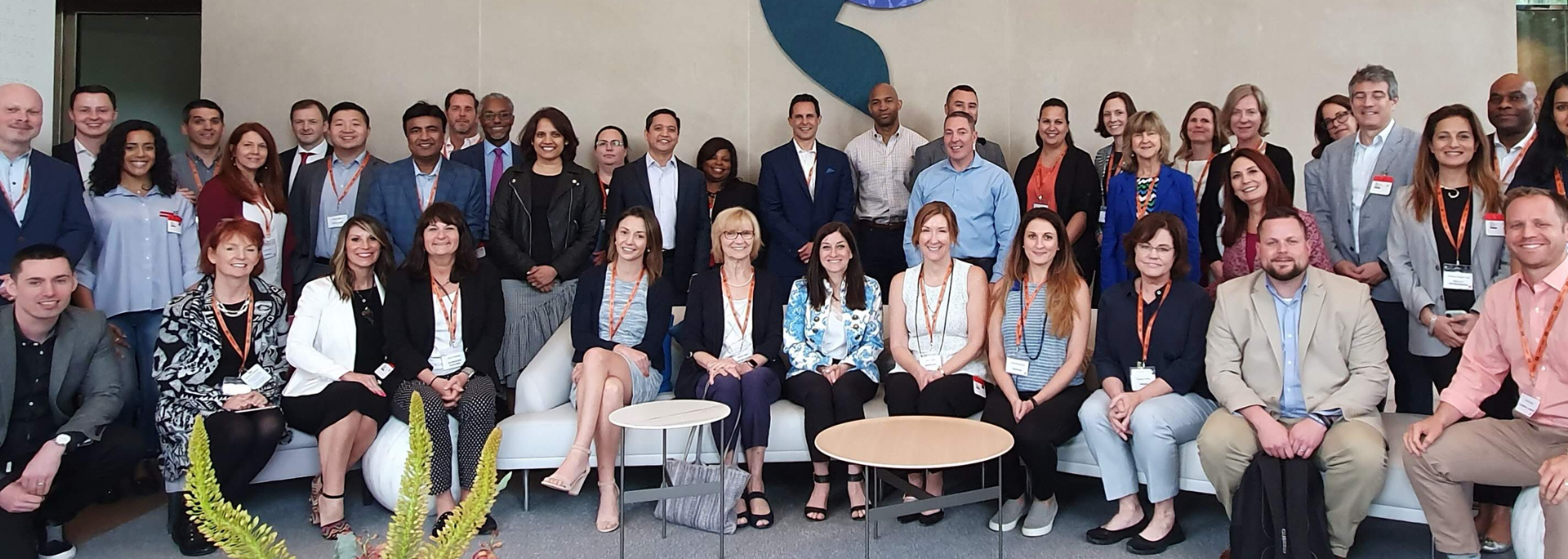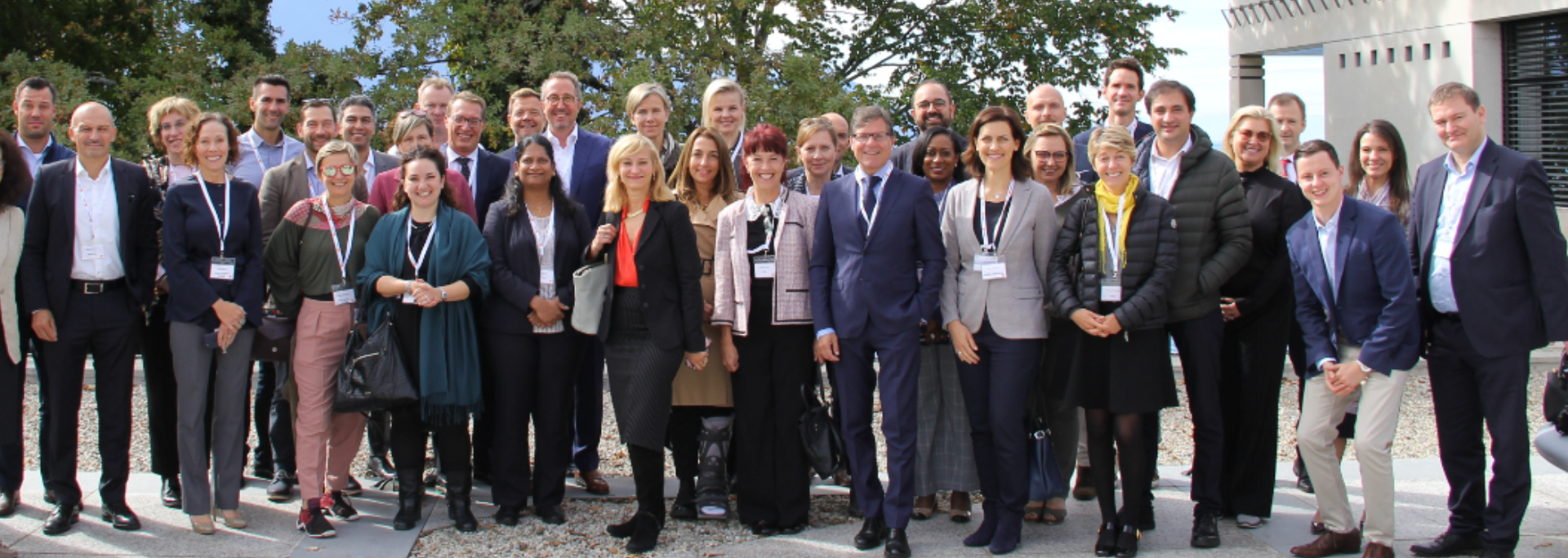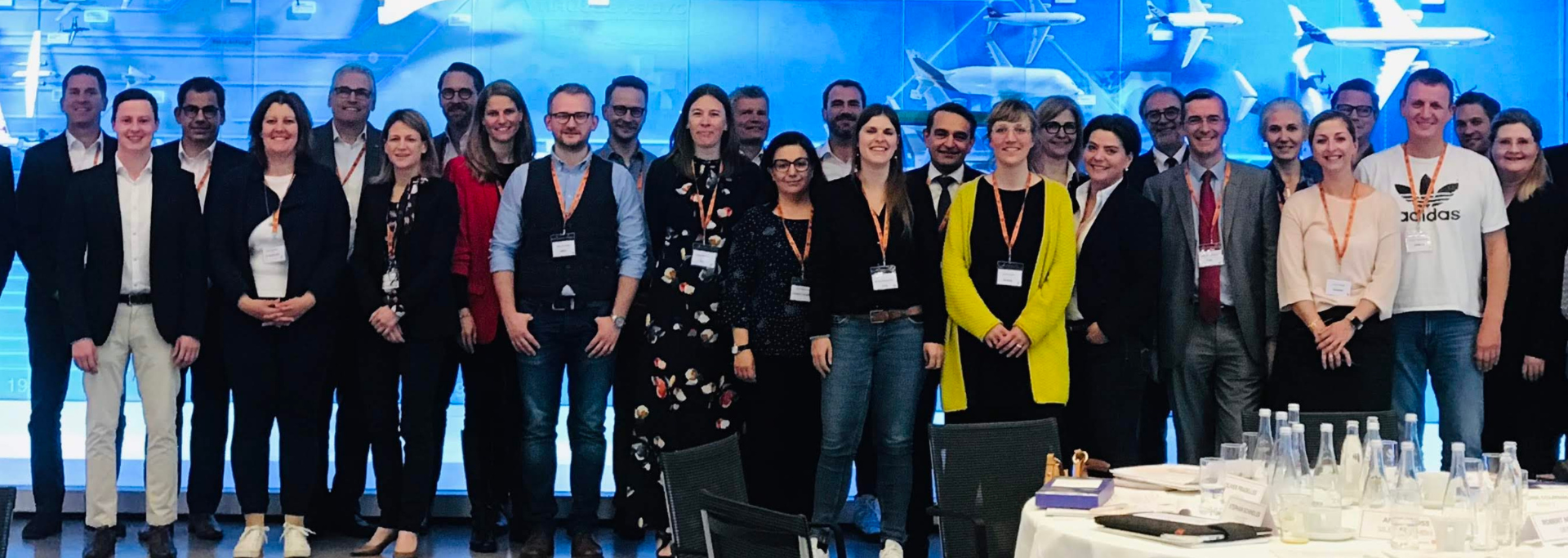

What is the HR Innovation Roundtable?
A powerful closed-door workshop bringing together 60 Chief HR Officers and Global HR executives from leading global
brands for intimate discussions about specific challenges and transferable solutions.

Agenda: Day 1
June 3rd, 2026
1 - 1:15 PM
Arrival Reception & Welcome
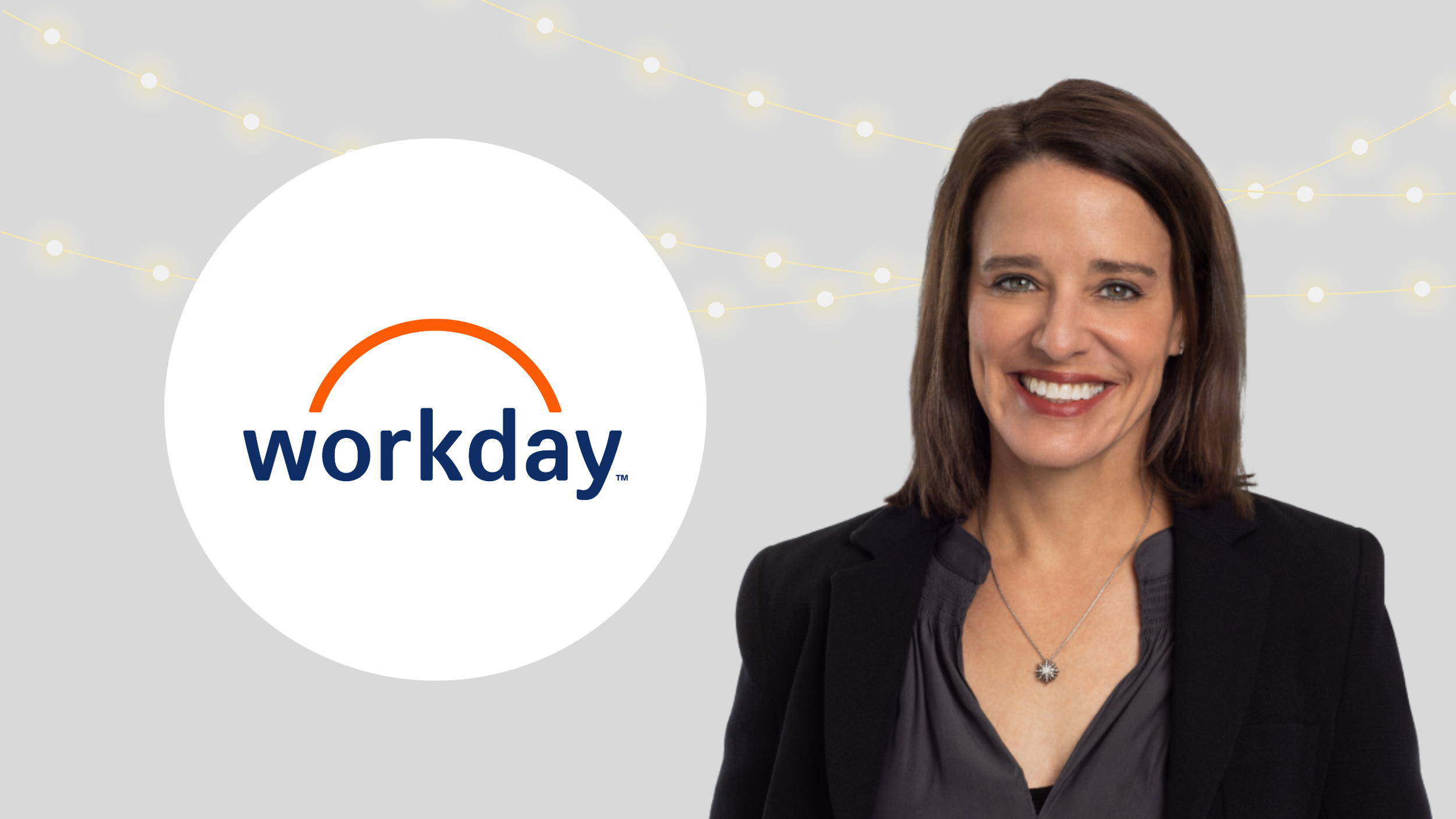
[Host]
Ashley Goldsmith
Chief People Officer
Workday
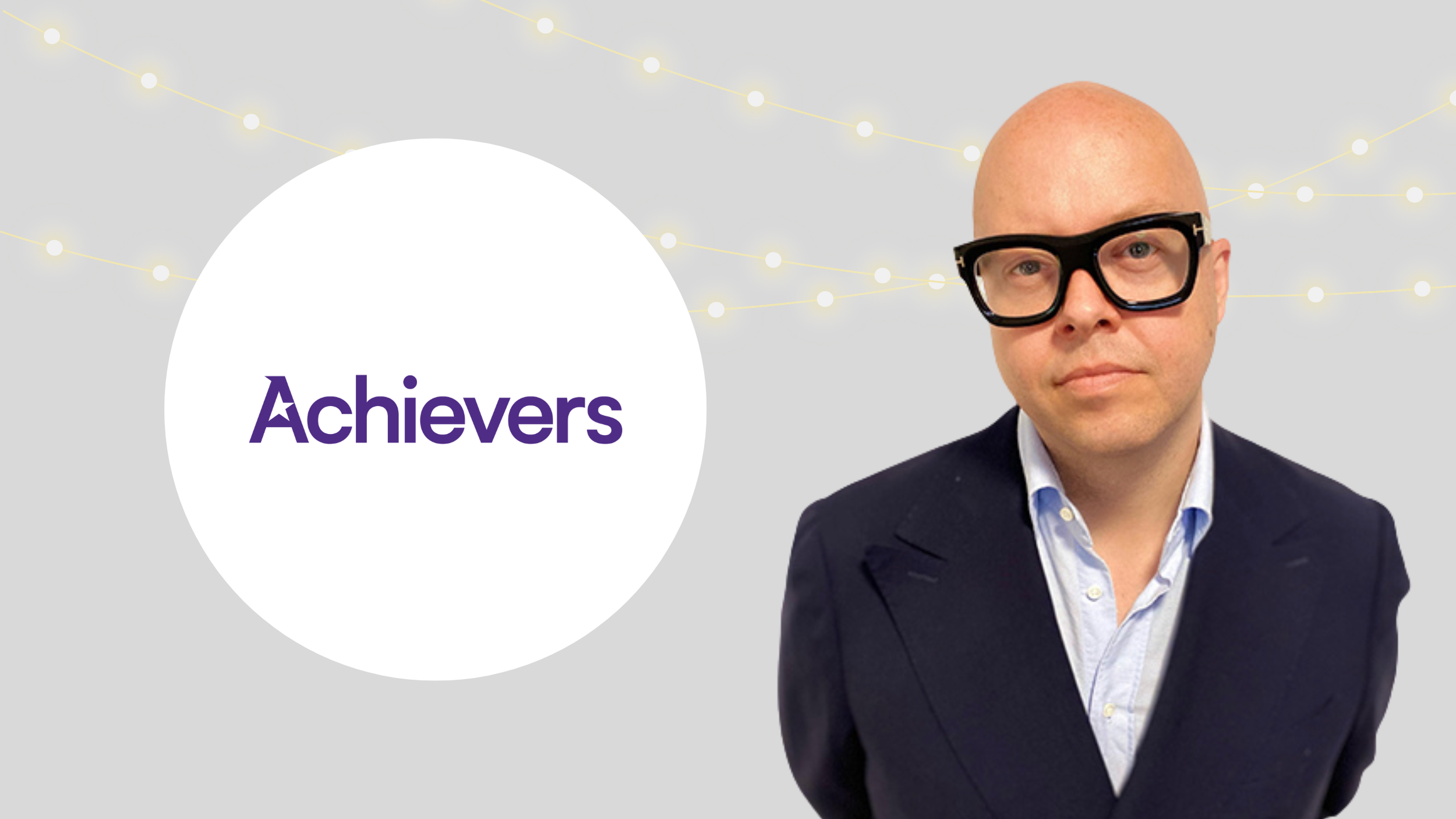
[Event Partner]
David Bator
Managing Director, Achievers Workforce Institute
Achievers
About:
For nearly two decades, Workday has redefined how the world’s leading organizations manage their people and finances. Founded in 2005, Workday was built on a bold vision…to bring enterprise software into the cloud era with a focus on people, innovation, and integrity. Today, it stands as a global leader in enterprise cloud applications for finance, HR, and planning, helping organizations of all sizes adapt to change and thrive in a dynamic world of work.
Join us at Workday’s state-of-the-art headquarters in Pleasanton, California, for the HR Innovation Roundtable — an exclusive gathering designed to explore the next frontier of human potential, AI, and skills transformation. The space itself reflects Workday’s core belief that when people are empowered and connected, innovation flourishes. Every detail of the campus is crafted to inspire collaboration, wellbeing, and a deep sense of belonging.
A proud member of the Fortune 500, Workday serves more than 10,000 organizations worldwide including over half of the Fortune 500, with a global workforce of 19,000 employees. Guided by its values of integrity, innovation, and customer service, Workday’s mission is to help organizations make confident decisions, build resilient workforces, and unlock the full potential of their people. Through continuous innovation in AI, sustainability, and workforce development, Workday continues to shape the future of work — where technology and humanity move forward together.
1:15 - 1:45 PM
The CHRO Mandate in an AI World
KEYNOTE SPEAKER:
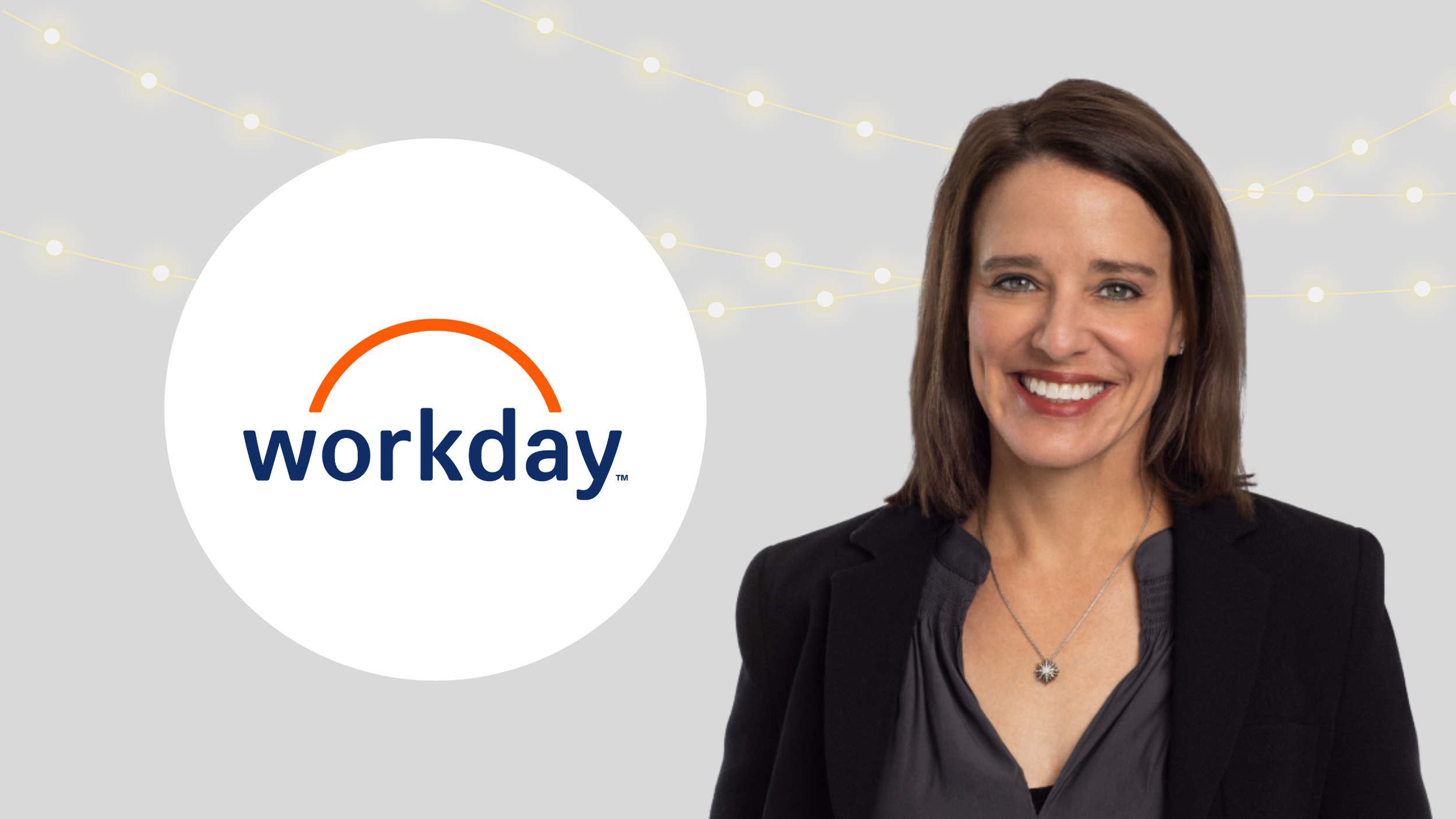
Ashley Goldsmith
Chief People Officer
Workday

WHAT YOU WILL LEARN:
The role of the Chief People Officer is expanding fast. As AI reshapes work, decisions, and operating models, the CPO is no longer just responsible for talent strategy, leadership, and culture, but for helping the business redesign how work gets done, how people and technology interact, and how trust is maintained through transformation. This is a leadership moment for CHROs and CPOs, not a support-function moment.
The opportunity is significant. Leaders who step into this expanded mandate can help their organizations move faster, build stronger capability, and make AI adoption more human, practical, and commercially relevant. Those who do not risk leaving the future of work to technology, finance, or operations leaders alone. Success means the people function becomes one of the most important architects of growth, reinvention, and long-term enterprise resilience.
How the CPO role is changing: Understand how the best people leaders are expanding their remit beyond HR into workforce design, AI readiness, and enterprise transformation.
Where CHROs can create the most value: Learn which decisions and leadership moments now matter most in shaping business performance in an AI-driven organization.
What strategic success looks like: See how to position the people function as a force multiplier for growth, trust, and long-term capability building.
1:45 - 3 PM
How to Build a Skills-Based Enterprise That Actually Moves the P&L
PanelistS:

Mala Singh
Chief People Officer
Electronic Arts (EA)

Jonelle Parker
Senior Vice President | Research, Development & Commercialization
Bristol Myers Squibb

Danielle Clark
Vice President, Global Talent
eBay
Shaily Rampal
Vice President, Global Head of Organisational Effectiveness
HCLTech

[Moderator]
Breanne Woodrow
VP Global Alliances, Partnerships & Strategic Programs
Achievers
WHAT YOU WILL LEARN:
For many organizations, skills still sit in the language of strategy but not in the mechanics of execution. That gap matters. In a market defined by capability shortages, shifting priorities, and pressure to do more with the talent already inside the business, a skills-based model has become one of the most important ways for CHROs to improve workforce agility, unlock internal mobility, and reduce dependency on external hiring.
Getting this right creates major upside. It allows organizations to deploy talent faster, invest in development more intelligently, and align workforce capability to the priorities that actually drive performance. Getting it wrong leaves skills as an abstract framework that adds complexity without changing outcomes. Success means skills become a real decision-making engine across hiring, development, deployment, performance, and reward.
How to make skills operational: Learn how to build a practical skills model that connects to real work, not just frameworks and theory.
How to use skills to improve decisions: Understand how skills can sharpen hiring, mobility, succession, and workforce planning.
How to link skills to business value: See how capability visibility can improve speed, productivity, and resilience across the enterprise.
3:20 - 4:55 PM
Rewards & Recognition Reimagined in the Scarcity Era
PanelistS:
David Bator
Managing Director, Achievers Workforce Institute
Achievers
Vicky Woods
Vice President, Reward
Cox Automotive
Deana Stanton
Vice President, Global Compensation
Kyndryl
Jorge Quezada
Vice President, Culture & Performance
Granite Construction
[Moderator] Kristian Gaetano
Chief Operating & Customer Officer
Achievers
WHAT YOU WILL LEARN:
In a scarcity market, rewards and recognition are no longer supporting tools around the edges of retention strategy. They are central levers in how organizations compete for commitment, discretionary effort, and long-term loyalty. Employees are placing greater value on personalization, fairness, flexibility, and meaning, while organizations are under pressure to be more disciplined with cost. That tension is forcing CHROs to rethink what truly drives value in the employee experience.
The opportunity is to build a more intelligent rewards strategy that strengthens culture, increases engagement, and improves retention without relying on blunt or expensive interventions. The risk of getting it wrong is investing heavily in programs that look good on paper but fail to shift behavior or performance. Success means recognition becomes timely, targeted, and tied to the moments that matter most for business performance and workforce connection.
How to modernize recognition strategy: Learn how leading organizations are evolving rewards and recognition to better match today’s workforce expectations.
How to create more value with limited resources: Understand where targeted investment drives stronger retention, motivation, and performance outcomes.
How to connect recognition to business priorities: See how recognition can reinforce culture, manager effectiveness, and high-impact behaviors at scale.
4:55 - 5:40 PM
CHRO "Pulse Check"

WHAT YOU WILL LEARN:
The most valuable conversations at senior executive events are often the ones that begin with the real issue in the room, not the prepared talking points on stage. This working session is designed to surface the most urgent leadership challenges facing CHROs right now and turn them into substantive peer-to-peer problem-solving. It creates space for candour, pattern recognition, and shared insight at the highest level.
The opportunity is not just discussion, but sharper strategic thinking. When senior people leaders compare how they are navigating similar pressures, they uncover better questions, stronger options, and faster paths to action. Success means participants leave with clearer priorities, more confidence in how to frame the issue internally, and practical ideas shaped by peers operating at the same level of complexity.
How peers are framing similar challenges: Hear how other CHROs are defining and prioritizing the issues shaping their 2026 agenda.
How to pressure-test strategic responses: Use the room to challenge assumptions, sharpen options, and compare leadership approaches.
How to leave with practical next steps: Turn broad challenges into focused actions you can take back to your executive team.
5:40 - 7:30 PM
Networking, Drinks & Evening Dinner

Get to know your esteemed peers over some hors d'oeuvre and deliciously prepared cocktails. We will then head to Workday’s private restaurant for a three-course evening dinner. Enjoy the relaxed atmosphere in the presence of your peers to learn, share and ponder over the key topics of what was discussed earlier in the day and the exciting conversations in store for you on day 2.
Agenda: Day 2
June 4th, 2026
8 - 8:40 AM
Registration & Breakfast followed by Welcome Reception
PanelistS:
[Host]
Ashley Goldsmith
Chief People Officer
Workday

[Event Partner]
David Bator
, Managing Director, Achievers Workforce Institute
Achievers
Join us nice and early to grab a tasty bite to eat and your daily dose of caffeine to set you up for a full-on day of learning, sharing and innovating. At 8:30 AM hear a few words from our event chair (David) and host (Ashley) on what to expect over the course of the day.
8:40 - 9:20 AM
Beyond Copilots: Embedding Agents into the flow of HR Work
KEYNOTE Speaker:

Maxwell Wessel
Senior Vice President of Product
Workday
WHAT YOU WILL LEARN:
Many organizations have moved past AI curiosity, but far fewer have translated experimentation into meaningful enterprise capability. For CHROs, the issue is no longer whether to use AI, but how to embed it into the operating model of the people function in ways that improve speed, decision quality, service delivery, and strategic impact. The shift from scattered pilots to real capability is where the value now sits.
The upside is substantial. HR leaders who build AI into workflows, roles, and decision points can unlock capacity, modernize service delivery, and raise the strategic contribution of the function. The cost of getting stuck in experimentation is a fragmented landscape of tools, isolated wins, and growing skepticism from the business. Success means AI becomes part of how HR operates, not a side project attached to it.
How to move beyond isolated pilots: Learn what it takes to convert experimentation into repeatable capability across the people function.
How to embed AI into HR work: Understand how roles, workflows, and decisions can be redesigned to create meaningful operational value.
How to build credibility with the business: See how HR can demonstrate that AI is improving execution, not just adding new technology.
9:20 - 10 AM
The Recognition Reset: Turning Appreciation Into Performance at Scale
Speakers:
Ben Carter
Senior Vice President, HR Business Partners, M&A,
and Total Rewards
Workday
Bob Memmer
Chief Revenue Officer
Achievers
WHAT YOU WILL LEARN:
Recognition is quietly becoming one of the most underutilized performance levers in the enterprise. As transformation accelerates and managers are stretched thin, recognition often slips yet when it fades, organizations pay for it in lower engagement, weaker trust, reduced discretionary effort, and rising attrition risk. The problem isn’t that companies don’t value recognition; it’s that they haven’t designed it as a consistent operating rhythm, owned and modeled by managers, and reinforced by the system.
The upside of getting this right is huge because it’s one of the few interventions that improves culture and productivity at the same time. When recognition is frequent, specific, and human, it builds belonging, strengthens clarity during uncertainty, and increases the likelihood people choose to stay and perform. Success means recognition becomes part of how leadership runs the business: managers treat it as a core leadership behavior, peer recognition amplifies culture, and the organization can spot and fix recognition gaps before they turn into flight risk.
How to make recognition a weekly leadership rhythm: Practical ways to embed recognition into 1:1s, team meetings, and operating cadences without adding “one more thing” to managers’ plates.
How to scale manager-led recognition with quality: How to shift from generic praise to specific, meaningful recognition tied to impact, values, and business priorities.
How to measure what matters (not vanity metrics): How to use recognition signals to identify at-risk teams, diagnose culture drift, and link recognition habits to retention and performance outcomes.
10:15 - 11:30 AM
The Cultural Anchor: Leading Change Amid Constant Transformation
PanelistS:

Angela Lentz
Chief People Officer
Daimler Trucks North America
Brandon Sammut
Chief People & AI Transformation Officer
Zapier
Amy Reichanadter
Chief People Officer
Databricks
Chris Ernst
SVP Talent, Chief Learning Officer
Workday
[Moderator] Scott Landers
CEO
Achievers
WHAT YOU WILL LEARN:
Most organizations are not struggling because they lack change programmes. They are struggling because the pace of transformation is beginning to outstrip the strength and clarity of their culture. Reorgs, evolving performance expectations, AI adoption, and shifting workforce norms can create a form of culture drift where values remain visible, but daily experience starts to feel disconnected, inconsistent, or transactional. That is where trust, performance, and belief begin to erode.
For CHROs, culture now has to do more than inspire. It has to stabilize, guide, and accelerate execution through ambiguity. The opportunity is to build a culture that helps the business move faster because people understand what is expected, what matters, and how change will be led. Success means culture becomes an active performance enabler during transformation, not collateral damage from it.
How to spot culture drift early: Learn how to identify where expectations, behaviors, and lived experience are starting to separate.
How to lead change without weakening trust: Understand how to keep culture coherent while navigating transformation at speed.
How to make culture more operational: See how the strongest organizations translate values into behaviors, decisions, and leadership signals.
11:45 AM - 1 PM
Architecting the Future: Redesigning Work for Humans + Machines
PanelistS:
Phil Willburn
VP, People Intelligence, Global HR Operations & Technology
Workday
Agnes Garaba
Chief People Officer
UiPath
Debra Fiori
Chief People Officer
PROG Holdings Inc

[Moderator]
Breanne Woodrow
VP, Global Alliances, Partnerships & Strategic Programs
Achievers
WHAT YOU WILL LEARN:
The next frontier of workforce transformation is not simply automating tasks or deploying copilots. It is redesigning work itself. That means rethinking which work should be done by humans, which by machines, where judgment should sit, how accountability should be shared, and how roles and teams need to evolve when human and machine contribution are deliberately designed together. This is one of the most important strategic questions now facing CHROs.
The prize for getting this right is significant: better productivity, better employee experience, better use of human judgment, and more scalable business performance. The cost of getting it wrong is equally high: fragmented work, confused accountabilities, poor adoption, and a workforce that experiences AI as disruption rather than amplification. Success means work is intentionally architected so humans and machines complement one another in ways that increase both value and trust.
How to redesign work, not just tasks: Learn how leading organizations are rethinking roles, workflows, and team structures for human–machine collaboration.
How to decide where humans add unique value: Understand how to preserve judgment, creativity, and accountability while using AI to scale execution.
How to create better adoption and trust: See what makes human–machine work feel coherent, valuable, and sustainable for the workforce.
2 - 3:15 PM
The HR AI Playbook: From Adoption to Orchestration to Transformation
PanelistS:
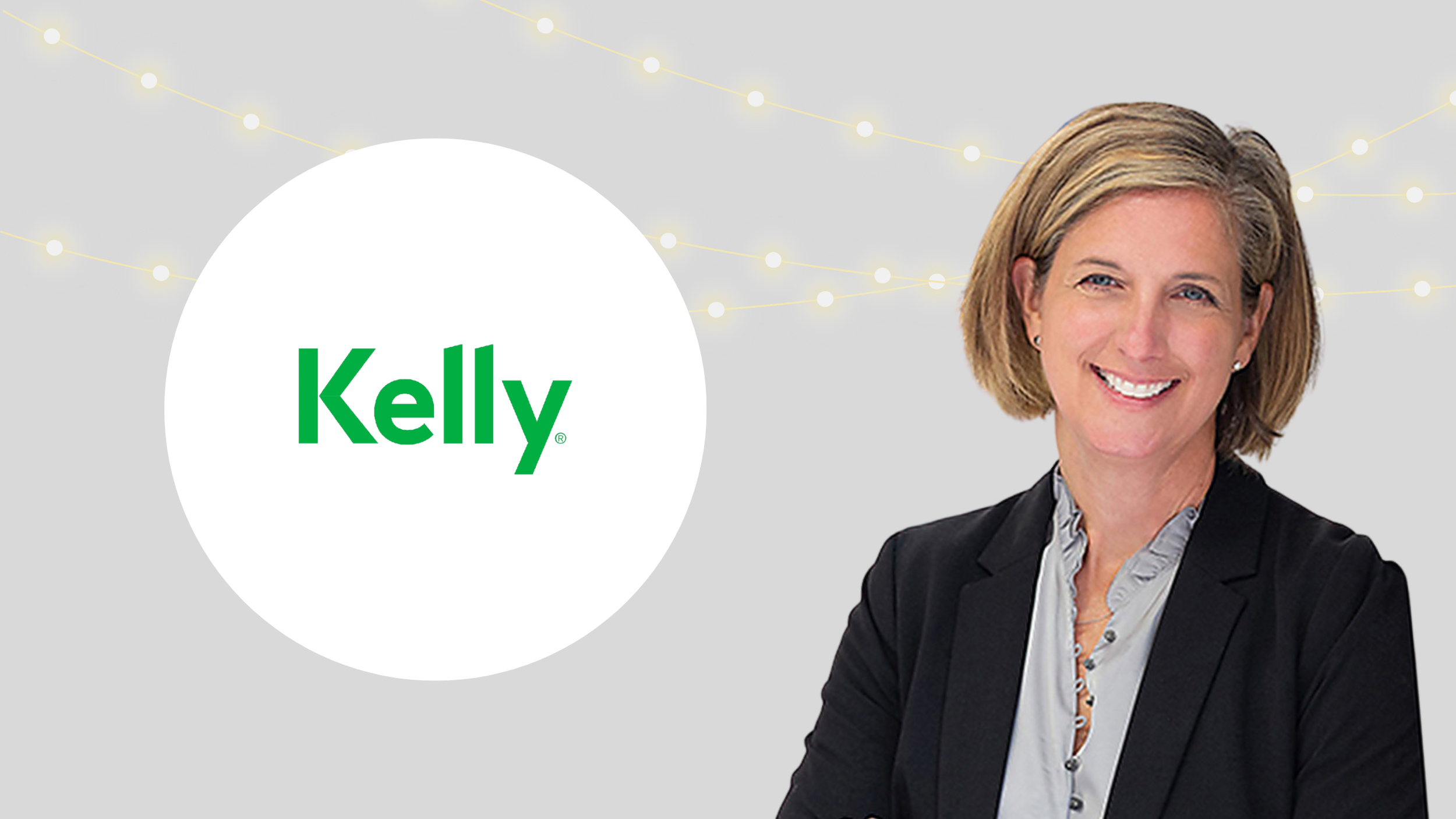
Amy Bouque
Chief People Officer
Kelly

Vinnie Garufi
Vice President HR Innovation, Strategy & Operations
Bristol Myers Squibb

Denise Bowen
Group Vice President, People Strategy & Solutions
Providence

[Moderator] Jordan Ekers
Vice President, Commercial Strategy & Product Marketing
Achievers
WHAT YOU WILL LEARN:
AI adoption in HR is no longer the end goal. For CHROs, the real mandate is to move from experimenting with tools to orchestrating AI across the function, redesigning how work gets done, and proving measurable business impact. As CEOs increase pressure on HR to unlock productivity, improve decision-making, and reshape the workforce for an AI-powered future, CHROs need a clear playbook for moving beyond isolated pilots.
This session will explore how HR leaders are building that roadmap: starting with adoption, moving into cross-functional orchestration with CIOs and CTOs, and ultimately transforming the HR operating model around smarter, faster, more scalable ways of working.
Adoption - Moving Beyond Pilots and Tool Rollouts: How can CHROs identify the right AI use cases, drive meaningful adoption, and avoid fragmented experimentation across HR?
Orchestration - Building the CHRO/CIO Operating Model: What partnership, governance, data, security, and workflow decisions are needed to scale AI responsibly across the HR function?
Transformation - Redesigning HR for Business Impact: How can CHROs evolve roles, processes, and service delivery models so AI creates measurable value, from productivity and capacity to better decisions and stronger business outcomes?
3:30 - 4 PM
CHRO "Pulse Check"

WHAT YOU WILL LEARN:
This closing working session turns the event from insight-sharing into collective problem-solving. By the end of the summit, the room has surfaced the pressures, trade-offs, and tensions shaping the CHRO agenda. This session creates the structure to go deeper, allowing leaders to unpack the most urgent issues with peers who understand the complexity of the role and can respond from direct experience rather than theory.
The opportunity is to leave with sharper judgment, better framing, and more practical options. In senior leadership roles, the value is rarely in hearing that others share the same problem. It is in understanding how equally experienced leaders are approaching it, where they are drawing the line, and what they are willing to change to move forward. Success means each CHRO leaves with one or two clearer, more actionable answers to a real strategic issue.
How CHRO peers are solving hard problems: Hear how other CHROs are navigating the issues that matter most on their agenda.
How to strengthen your own strategic response: Use structured discussion to pressure-test your thinking against other executive perspectives.
How to leave with clearer action: Convert shared debate into practical insight that can inform decisions back inside the business.
4 - 5 PM
Closing Remarks & Networking
SPEAKERs:
[Host]
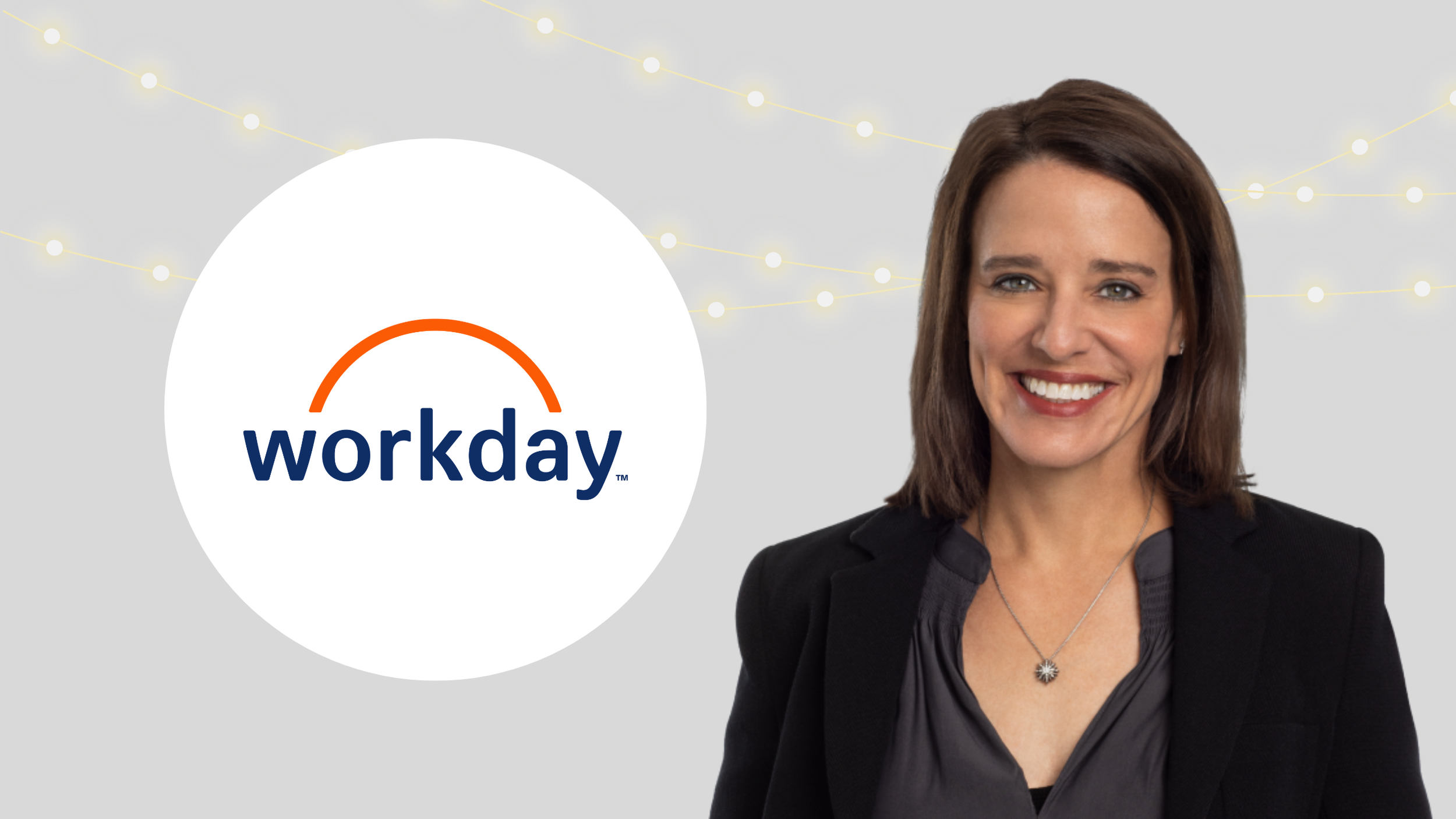
Ashley Goldsmith
Chief People Officer
Workday

[Event Partner]
David Bator
Managing Director, Achievers Workforce Institute
Achievers
Apply to Attend
Please fill out your details in the form below.
We reserve the right to reject any registrations if your role is to provide HR services, products, or consultancy offerings.
The HR Leaders Innovation Roundtable is strictly reserved for Executive level HR Practitioners (both generalists & specialists).
Why Should You Attend the Innovation Roundtable?

World Class Facilitators
The world’s most influential HR & business executives share
their insights and experiences from leading global brands
See World Class HR in Action
Our workshops are hosted by leading global companies who open their doors for a day of intimate discussions about specific challenges and transferable solutions

Personal and Powerful
Real takeaways from senior practitioners representing a diverse
range of industries guarantees you will have top-level conversations
Members




Hosted at Workday’s Corporate Headquarters
Still Have Questions?
We've answered a few FAQs to get you started.
Looking for an answer more specific? Email us at 📧 hello@hrleaders.co
💡 Is the event really taking place at Workday?
🎟️ Who can attend?
👤 Can I invite my colleagues?
🚫 What's HR Leaders’ cancellation policy?
🏨 What about accommodation and logistics?
A Few Pics from Around the world