


THE NEW OPERATING SYSTEM FOR WORKFORCE TRANSFORMATION
As organizations redesign work, scale AI, and adapt to a faster-moving business environment, PeopleOS is built to help HR Leaders lead with clarity, confidence, and control so you can turn AI opportunity and complexity into a competitive advantage.

WORLD-CLASS PANELISTS
View the 2025 panelists below. Register today and stay tuned for 2026 updates
Explore the executives helping define what the next operating system for work looks like.
Save your FREE spot to unlock speaker updates, agenda announcements, and first access to the ideas, actionable advice and leadership shaping a more intelligent, agile, and connected enterprise.
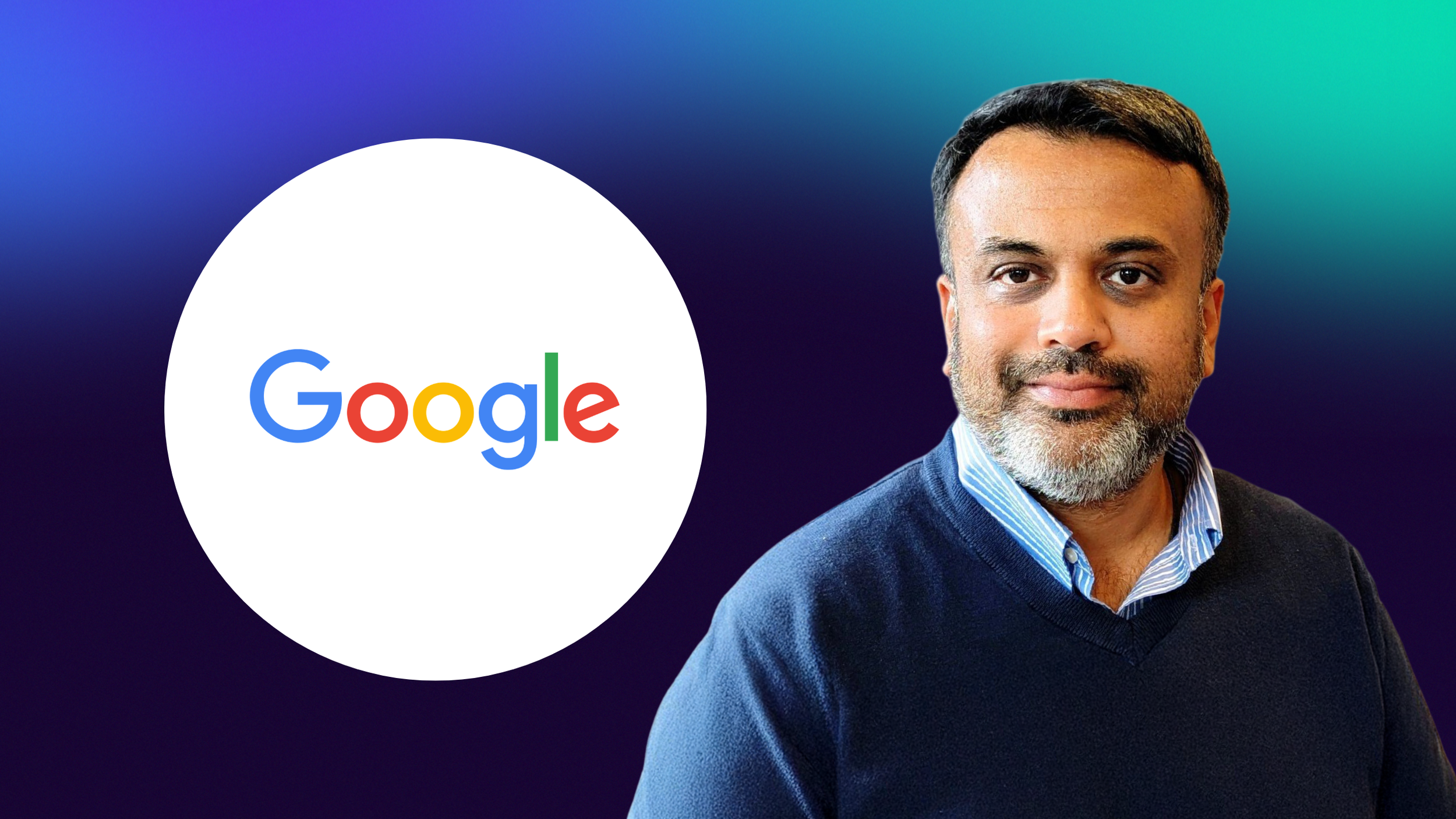
Abhay Gangadharan
Director, Future of Work, Workforce Architecture, Strategic Workforce Planning at Google
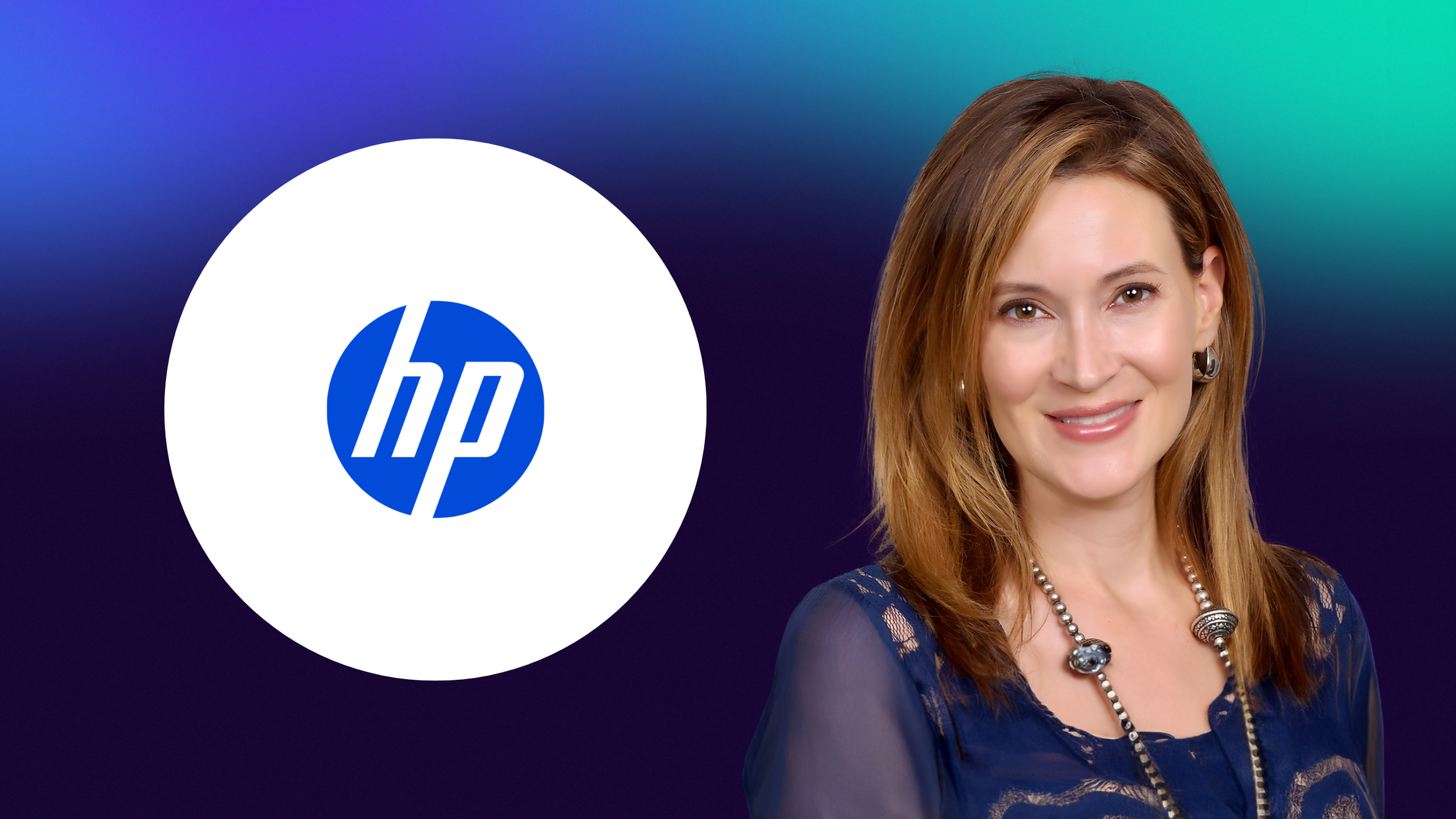
Amy Stevenson
Director, People Analytics
HP
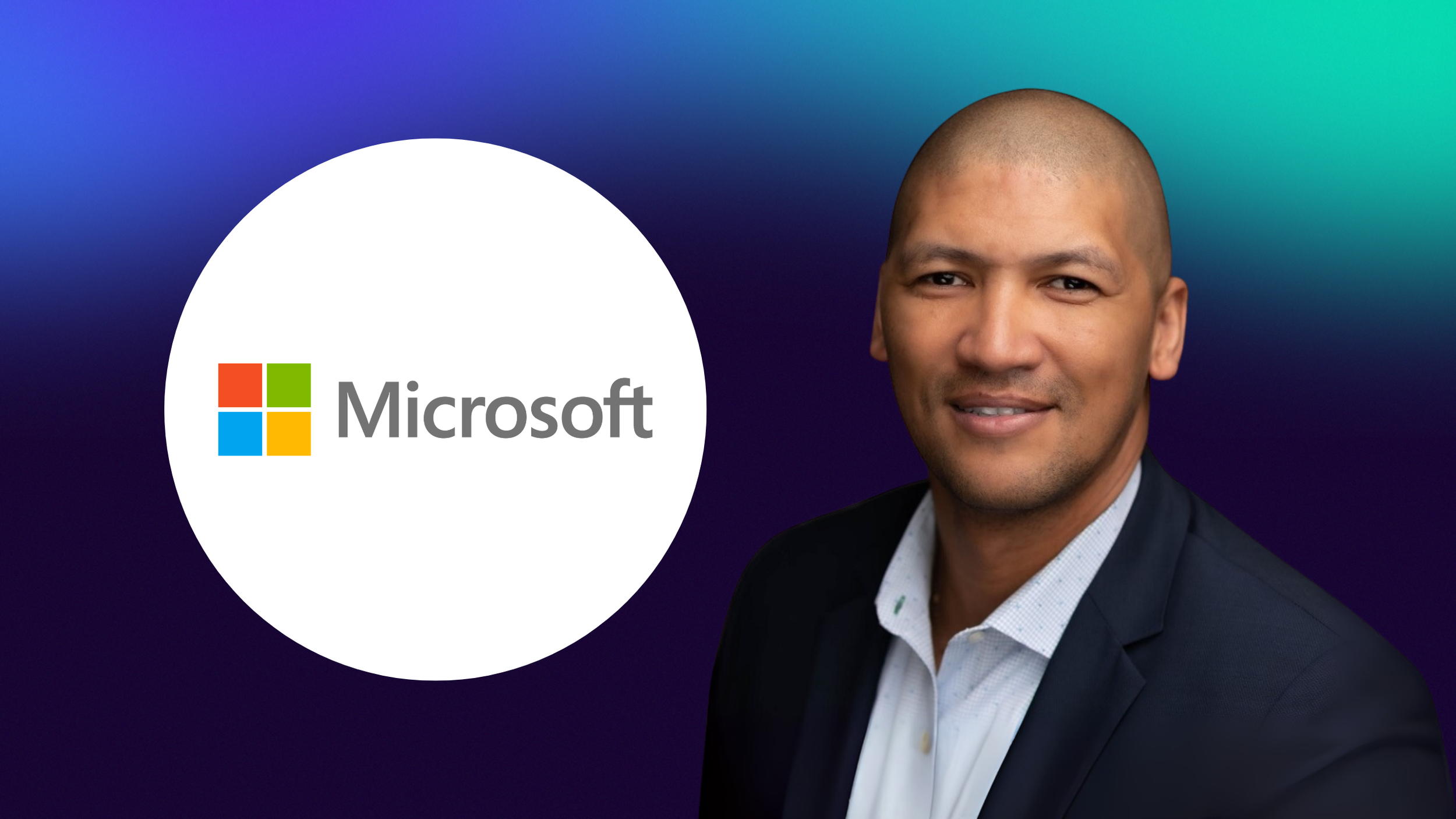
Marcel o’Brien
Director, People Analytics
Microsoft

Roberto Andrade
Director, People Analytics & Workforce Analytics
Meta

Kelsey Kline
Director, Workforce Science Solutions
Intel Corporation

Pietro Mazzoleni
Global head of People Data and AI platforms
IBM
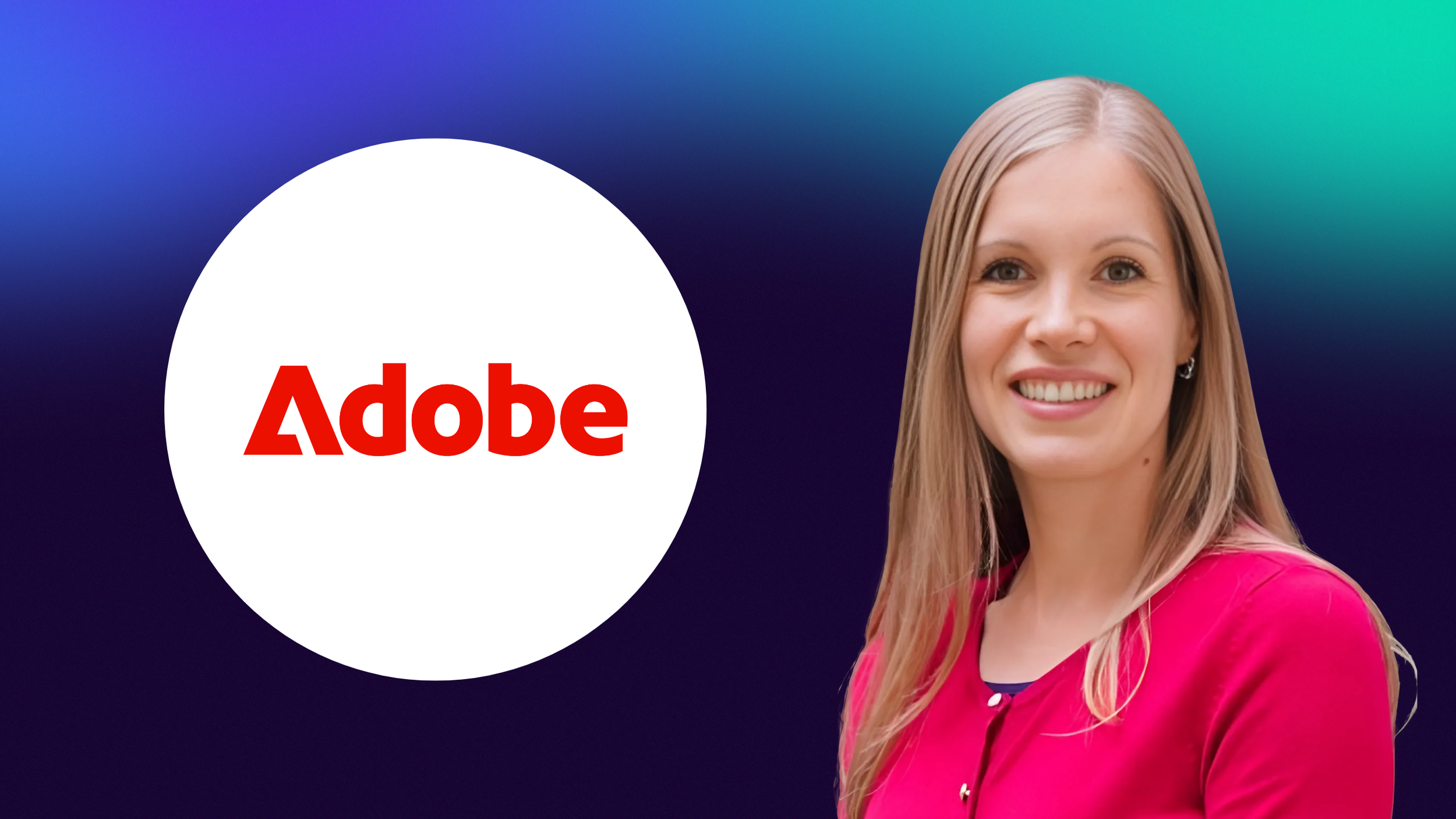
Sasha Arjannikova
Director of Analytics Business Partnering
Adobe
Jon Getz
Senior Director, People Insights
ServiceNow

AGENDA
All times below are Eastern United States (EDT)
Click here to see the time local to where you are
-
-
Most organizations are experimenting with AI, but very few have a clear HR-first strategy that changes how work actually gets done. For CHROs, the real opportunity is not simply deploying more tools, but redesigning the HR operating model so AI, automation, and agents are built into core workflows, decisions, and service delivery.
This session will explore how leading HR teams are moving from scattered pilots to a coherent roadmap that unlocks capacity, improves execution, and supports business growth.
What you will learn:• How to Set Your HR AI North Star: Align AI priorities to business outcomes, define success metrics, and focus investment where HR can create the most enterprise value.
• How to Redesign HR for AI: Rework roles, workflows, and service delivery so AI handles repeatable work and HR teams spend more time on judgment, relationships, and strategic decisions.
• How to Scale with Confidence: Build the governance, ownership, and adoption disciplines that turn AI from a pilot program into a trusted operating capability.
-
Most organizations are still trying to scale AI on top of fragmented workforce data, inconsistent definitions, and competing versions of the truth across HR, Finance, and the business. That makes it difficult to move quickly on workforce decisions, difficult to align on cost, capacity, skills, and productivity, and even harder to use AI with confidence. Trust in work and workforce data is weakening at the exact moment when faster, cross-functional decisions matter more, while many organizations still lack the strategic workforce planning maturity, governance discipline, and integrated operating model needed to make workforce data truly decision-ready.
This session will explore what it takes to create a shared workforce data foundation that leaders trust enough to act on: common definitions, joined-up governance, stronger data lineage, clearer ownership, and tighter links between people, skills, labour cost, work, and business priorities. It will also examine why that foundation changes what AI can actually do, shifting it from a layer that summarizes fragmented information into one that can support better planning, sharper forecasting, faster trade-offs, and more confident decisions across the enterprise.
What you will learn:• How to Build One Workforce Truth: Align definitions for headcount, skills, labor cost, capacity, and productivity so HR, Finance, and business leaders stop debating the numbers and start acting on them.
• How to Make Workforce Data Trusted Enough to Use: Strengthen ownership, lineage, and quality controls so workforce data becomes fit for planning, investment decisions, and AI use.
• How to Turn the Model Into a Decision Engine: Connect workforce data to planning, budgeting, skills, and business priorities so it improves action, not just reporting.
• How a Stronger Foundation Expands AI’s Value: Use trusted workforce data to improve forecasting, scenario modeling, workforce risk sensing, and faster cross-functional decision-making.
-
As AI becomes embedded in workflows, the relationship between the CHRO and the CIO/CTO is becoming one of the most important executive partnerships in the business. The challenge is no longer just choosing technology, but aligning workforce redesign, digital architecture, capability building, governance, and change leadership around one shared transformation agenda.
This session will explore what great CHRO-CIO partnerships look like, where responsibilities should sit, and how the relationship can accelerate value instead of creating confusion.
What you will learn:• How to Clarify Ownership: Define what HR should lead, what technology should lead, and where the two functions need shared accountability.
• How to Align Transformation Agendas: Connect AI deployment, workforce readiness, operating model redesign, and change management into one joined-up plan.
• How to Build a Stronger Executive Partnership: Create the rhythms, decisions, and trust needed for CHROs and CIOs to co-lead enterprise change.
-
The role of senior HR Technology and HRIS leaders is expanding far beyond system administration, platform ownership, and process support. In 2026, the most effective leaders in this space will be the ones who can connect architecture, data, AI, workflow design, employee experience, and business priorities into one coherent people technology strategy that the enterprise can actually scale.
This session will explore how the role is evolving from managing platforms and integrations to shaping the future HR tech stack, guiding AI adoption, improving decision support, and building a more intelligent, connected people infrastructure that supports transformation across the business.
What you will learn:• How to Move from System Owner to Strategic Architect: Shift from maintaining platforms and processes to designing the people technology ecosystem that supports scale, agility, and enterprise change.
• How to Build an AI-Native HR Tech Stack: Reassess architecture, integrations, workflow design, and data foundations so the stack is ready for AI, automation, and more intelligent employee experiences.
• How to Lead What Comes Next for HR Technology: Strengthen the role of HR tech leaders as cross-functional partners to HR, IT, analytics, and the business in shaping the future of work.
-
The question is no longer whether AI will change how work gets done — it already has. The question CHROs cannot yet answer confidently is how to redesign jobs, workflows, and team structures systematically when intelligent agents are becoming active participants in daily work alongside people. Most organisations are still making these decisions ad hoc, function by function, manager by manager, with no shared framework, no governance, and no way to measure whether the redesign is actually working.One third of workers experienced 15 major changes in the past year alone, yet only 27% of organisations believe they manage change effectively. The organisations pulling ahead are not choosing between human and AI workers — they are designing workflows that leverage the unique strengths of each. The CHRO is the only executive with the mandate, the data, and the cross-functional reach to lead that redesign at scale.
This session will explore how leading organisations are approaching work redesign as a strategic discipline — not a one-time restructuring exercise, but a continuous operating capability that connects job architecture, skills, AI deployment, and performance management into one coherent system.
What you will learn:
• How to Build a Framework for Human-AI Work Redesign: Move beyond ad hoc decisions and develop a systematic approach to determining which tasks, decisions, and workflows should be led by humans, supported by AI, or handed to agents — and how to govern that boundary as it shifts.• How to Redesign Roles Without Destabilising People: Restructure jobs and accountability in ways that give employees clarity, preserve motivation, and build capability rather than creating anxiety, confusion, or hidden resistance.
• How to Connect Work Redesign to Skills, Performance, and Pay: Ensure that as roles evolve, the systems around them — skills frameworks, performance standards, career paths, and compensation — keep pace so the organisation does not create a growing gap between how work actually happens and how it is managed.
• How to Make Work Redesign a Continuous Capability, Not a One-Time Project: Build the governance, ownership, and cadence that allow the organisation to keep adjusting how work is divided between humans and AI as technology, business needs, and workforce expectations continue to shift.
-
Many organizations are treating AI as a technology rollout when the harder challenge is cultural. As AI changes how work is done, who makes decisions, what good performance looks like, and how managers lead, it also reshapes trust, effort, accountability, learning, and the unwritten rules of work. Recent research shows that a small group of organizations is pulling ahead on AI value not simply because they deploy more tools, but because they pair automation with stronger foundations around trust, governance, and workforce readiness. At the same time, broader workforce studies show many organizations are still underinvesting in the human side of adoption, leaving employees to navigate new norms without enough clarity, support, or skill-building.
This session will explore how leaders can prevent AI from quietly accumulating cultural debt across the organization. The discussion will focus on how to build AI fluency into hiring, onboarding, manager expectations, workflow redesign, and performance standards so adoption does not become shallow, inconsistent, or hidden. It will also examine how organizations can reduce “shadow AI,” strengthen psychological safety, and create a culture where experimentation, accountability, and trust rise together rather than compete with one another.
What you will learn:• How to Spot AI’s Cultural Debt Early: Identify where AI is beginning to distort trust, fairness, effort, ownership, and collaboration before those tensions become embedded in everyday work.
• How to Build AI Fluency Into the Employee Lifecycle: Move beyond optional training and embed AI capability into hiring, onboarding, learning, performance expectations, and career growth so people can use the technology with more confidence and impact.
• How to Make Managers the Culture Carriers of AI Adoption: Equip managers to create psychological safety, model better habits, redesign workflows, and help teams adopt AI in ways that strengthen engagement instead of undermining it.
• How to Reduce Shadow AI and Raise Trust at Scale: Put in place practical guardrails, clearer norms, and better tools so employees are not pushed toward unofficial usage patterns that weaken trust and fragment adoption.
• How to Turn Culture Into an AI Advantage: Shift from seeing culture as a soft concern to treating it as a lever of speed, innovation, adoption, and sustained AI performance across the business.
-
Strategic workforce planning is shifting from a periodic headcount exercise to a more dynamic capability conversation shaped by AI, skills disruption, and changing business priorities. CHROs need a planning model that links future work, critical capabilities, and external signals so the business can act with greater speed and precision. This session explores how workforce planning is being redesigned for a faster-moving environment.
• Move beyond headcount planning and focus on work, skills, and business-critical capability.
• Use AI, market signals, and talent intelligence to improve foresight and planning accuracy.
• Connect workforce planning to hiring, mobility, learning, and broader business decisions.
-
HOW IT WORKS
World Class Speakers
Learn from senior peers who share actionable insights and proven frameworks helping you to shortcut execution plans and deliver on essential objectives

Panel Discussions
Panel discussions, covering the most important HR topics, designed and delivered by fellow practitioners
No Travel, Time & Cost Effective
Accessible from anywhere in the world, on any device. We bring you global learning from wherever you are - during your lunch break, your commute, or once the kids are in bed

On-Demand Access
Access all sessions on-demand, catch up on your favorite discussions and delve deeper into the learning experience to support your own self-development

