Explore the Series Now
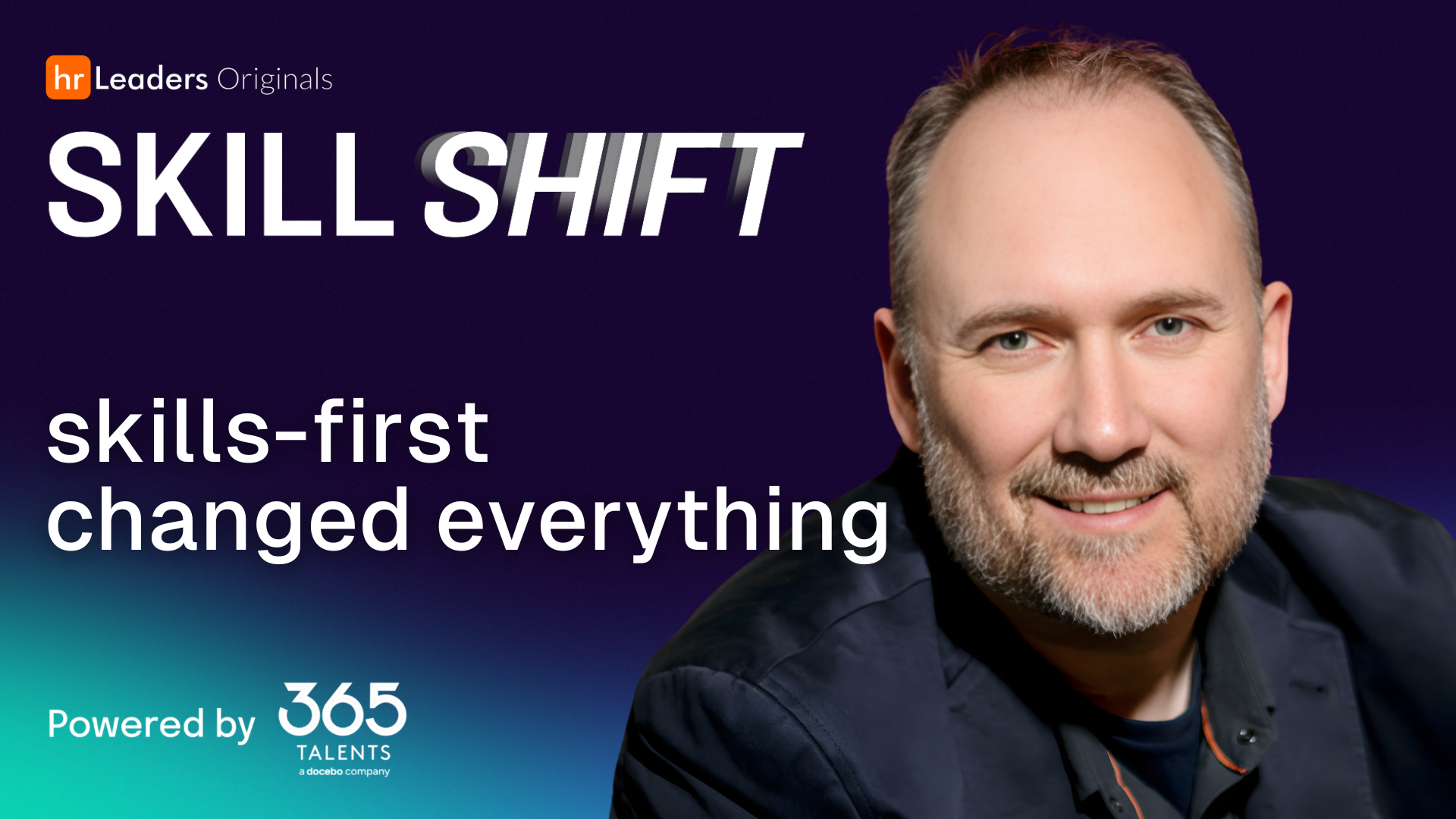
Donovan Mattole, CHRO at Langan
Key Points:
Langan’s business model makes skills a bottom-line issue, job readiness directly affects utilization, billability, and how fast new hires become productive.
The biggest gap is not qualifications, it’s capability, many new grads can pass exams and use tools, but struggle to interpret real work and apply judgment in context.
Langan accelerates readiness through an intensive first 6 months, a buddy coaching system, and a stronger focus on power skills, then protects that investment with clear career paths because competitors target talent at the 3 to 5 year mark.
Vidya Krishnan, SVP and Global Chief Learning & Belonging Officer at TD SYNNEX
TD SYNNEX realised skills-shift was not optional when growth and demand made it harder to staff work with the right expertise, even with “filled roles.”
The first signal was not a headline or a strategy deck, it was day-to-day friction, projects delayed, teams stretched, and capability gaps roles did not surface.
Momentum came from shifting talent decisions from role-based to skills-based, enabling smarter internal movement before defaulting to external hiring.
Get ahead of what’s next. The 2026 Skills Impact Report shows why job-readiness is now a strategic KPI and how skills-first, AI-powered organizations stay resilient, agile, and competitive. Download it to turn skills intelligence into action and future-proof your workforce.
Ilja Bitterling, VP Skills Intelligence & Performance Management at Deutsche Telekom
Key Points:
Deutsche Telekom is treating job and skill readiness as a business issue, because AI, market shifts, and changing work are making current skills expire faster.
The definition of “job-ready” is shifting from having the right skills today to staying relevant as jobs, expectations, and future skill needs keep changing.
The fastest-moving teams connect skills to projects, new roles, and learning, using a 3-layer model to guide staffing, development, and career growth.


Casey Thomas, VP Global Learning, Development, & Performance at Seagate Technology
Key Points:
Seagate is redefining job readiness by linking learning, performance, and workforce capability directly to business outcomes and growth priorities.
The shift from traditional L&D programs to skills-based development requires real-time visibility into capability gaps and future skill demand.
Enterprise performance improves when learning is embedded into work, enabling leaders to build adaptability, not just functional expertise.
Get ahead of what’s next. The 2026 Skills Impact Report shows why job-readiness is now a strategic KPI and how skills-first, AI-powered organizations stay resilient, agile, and competitive. Download it to turn skills intelligence into action and future-proof your workforce.
Loïc Michel, Co-Founder & CEO at 365Talents
To make skills-first real, 365Talents had to let go of legacy thinking, rigid job descriptions and the assumption that tenure equals readiness.
What changed was not the learning content, it was the operating model, moving from training plans to capability building tied to real work moments.
Top teams improve readiness by making skills visible in the flow of work, then reinforcing them through coaching, practice, and clear expectations.
Lauren Tropeano, Chief People Officer at Docebo
Docebo prioritises skills based on two forces, what the business needs now, and what will keep the workforce resilient later.
They balance depth and flexibility by separating skills into “must-have today” versus “build for next,” preventing over-indexing on short-term demand.
The strongest signal is how talent decisions change, skills-first shows up in who gets assigned, who gets moved internally, and what capability gets invested in before it becomes urgent.