


About the Panel Discussion
Volatility has changed what “workforce planning” even means, because your hiring plan can become outdated in a quarter while demand keeps moving. Eightfold’s research frames the contingent workforce as a structural shift, not a temporary patch, with independent work already representing a significant share of the labor market and contingent participation projected to surge. If you’re leading talent at scale, this is now a core lever for business continuity: you can scale specialist skills up and down quickly, protect budgets, and keep mission-critical work moving without redesigning your org every time the market swings.
The opportunity is bigger than speed and cost. They’ll discuss how contingent talent helps you “outmaneuver” the skills shortage when digital transformation (and AI adoption) is disrupting capability needs faster than training access can keep pace. The report also highlights why this talent pool can unlock hidden talent and broaden access, including for groups that may prefer contingent pathways, and why contingent roles are increasingly filled by highly educated, highly experienced professionals — meaning your best contractors often look like your future full-time hires. When you treat contingent hiring as strategic, you get elasticity, better skills coverage, and a safer way to right-size without the reputational and operational impact of repeated layoffs.
Join a LIVE interactive panel discussion where you will learn how to shift from “transactional contracting” to a modern contingent workforce strategy, how to do demand planning around skills so you can buy/build/borrow capability intelligently, how to align contingent programs to the next 90–180 days of business priorities, and how to create an employment model where contingent and permanent talent strengthen each other — improving agility, workforce quality, and long-term growth.
Discussion Topics
• Elastic workforce design: How they’ll build a winning employment model that flexes with demand, without sacrificing workforce quality.
• Skills-first demand planning: How they’ll forecast capability needs, then decide what to buy, build, or borrow based on real gaps.
• Faster access to scarce talent: How they’ll use contingent hiring to deploy specialist skills quickly for priority projects and transformations.
• Stronger programs, not more chaos: How they’ll create the mechanisms (governance, tracking, inclusion, and engagement) that make contingent talent scalable.
World Class Panelists
More Coming Soon
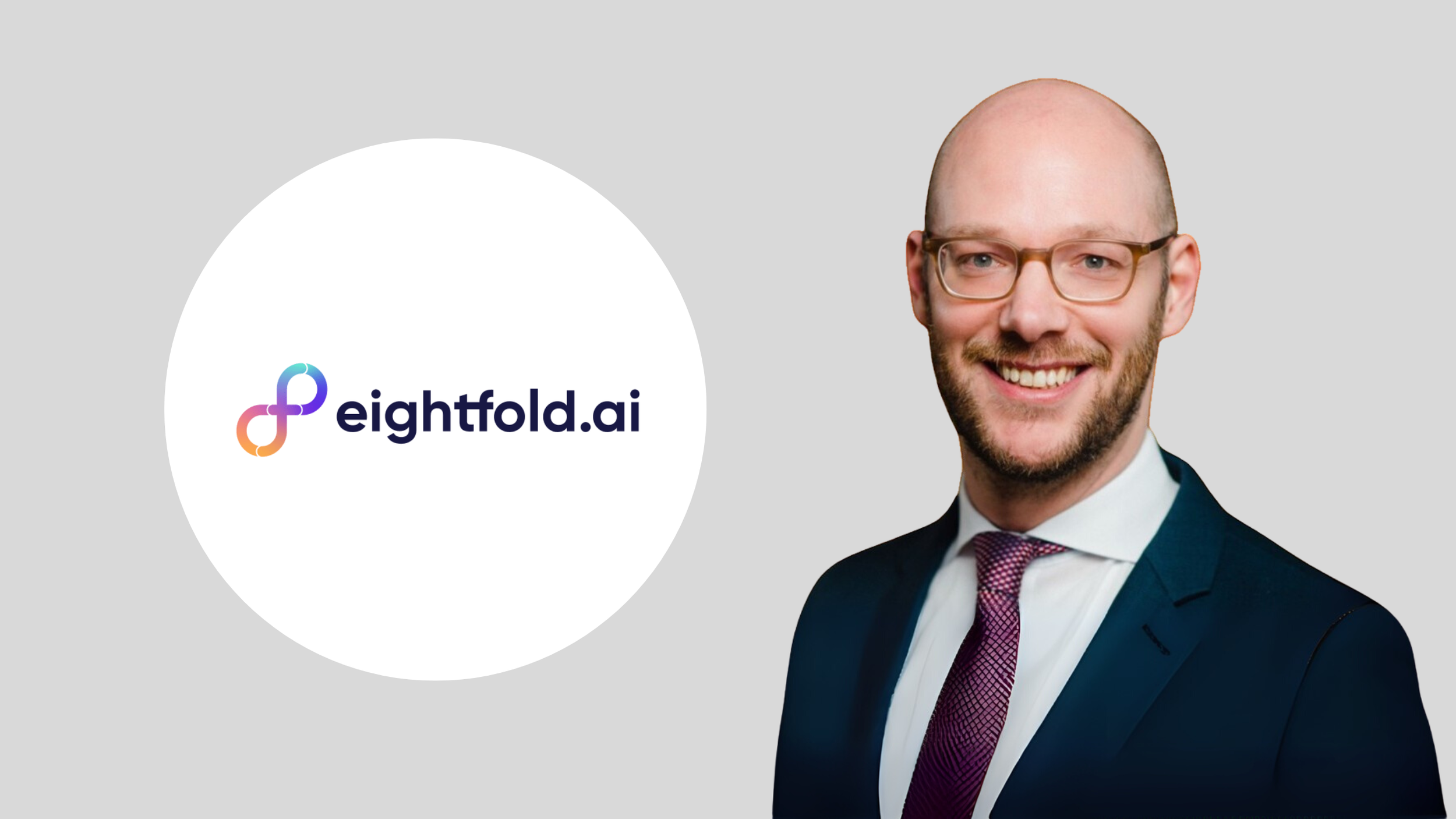
Daniel Florian
Head of AI Policy & Regulation
Eightfold

Chris Rainey
CEO & Co-Founder
HR Leaders
