
At Workhuman Live Orlando 2026, HR Leaders Podcast is bringing listeners straight into the room with the executives, experts, and thought leaders driving the biggest conversations in HR today.
These exclusive interviews cut through the polished talking points to explore what leaders are really wrestling with, from AI transformation and culture change to building human-centered organizations.
Amy Coleman, EVP and Chief People Officer at Microsoft
Key Points:
CHROs need to rethink recognition as part of everyday work by embedding it into the tools employees already use in ways that reinforce culture, connection, and the behaviours that matter most.
Recognition in the flow of work only becomes impactful when it feels timely, meaningful, and tied to real contribution rather than becoming another digital feature that adds noise.
The real challenge for HR leaders in 2026 is scaling AI and everyday recognition in a way that improves productivity and employee experience while protecting the human core of the organisation.


Raul Valentin, Chief Human Resources Officer at ABM Industries
Key Points:
AI and skills strategies must enhance human dignity and visibility, not reduce it.
Scale requires operationalizing skills data into real workforce decisions.
Leadership’s key role is ensuring AI is purpose-driven, not just efficiency-driven.
Julie Stone, GVP, Chief Learning Officer at TTEC
Key Points:
People-centered transformation requires intentional change management under speed pressure.
AI only works if leaders focus on behavior change, trust, and adoption, not tools.
Transformation sticks when strategy, leadership, and culture are tightly aligned.


Peter Danzig, Senior Advisor, Foundation Culture at Children’s Hospital of Philadelphia
Key Points:
Psychological safety must be a foundational belief system, not a program.
Leadership behaviors (listening, consistency, vulnerability) drive resilience.
High safety + high accountability is the balance needed during change.
Khalil Smith, VP, Inclusion, Diversity & Engagement at Akamai Technologies
Key Points:
Leaders must move beyond performative culture language to measurable outcomes.
Productive tension is necessary - leaders should manage, not avoid it.
High performance comes from alignment, collaboration, and clarity in practice.


Jorge Quezada, VP, Culture & Performance at Granite Construction
Key Points:
HR is over-engineering “employee experience” instead of fixing core cultural and leadership behaviors.
Culture only works if it accelerates change - look for alignment, speed, and trust as signals.
AI adoption should start with human enablement (skills, trust, workflow integration), not tech rollout.
Get every single Podcast from Workhuman LIVE
delivered straight to your inbox 📧
Eric Mosley, Founder and CEO at Workhuman
Key Points:
Workhuman is turning recognition into workforce intelligence, using rich recognition and performance data to uncover future leaders and hidden talent.
Future Leaders uses AI to strengthen succession planning, helping HR identify, retain, and develop high-potential employees earlier.
Workhuman is also expanding recognition for deskless and frontline workers, helping companies reach employees who are often underserved.
Ken Wechsler, VP, Total Rewards at Akamai Technologies
Key Points:
Embedding recognition into the flow of work helps strengthen culture at scale by reinforcing the behaviours, values, and moments of contribution that matter most across the organisation.
Recognition becomes a real driver of performance and connection when it is treated as a consistent part of how people are led, supported, and celebrated rather than as an occasional nice-to-have.
The strongest recognition data signals are the ones that show whether appreciation is frequent, broadly distributed, tied to key behaviours, and genuinely influencing how people work together

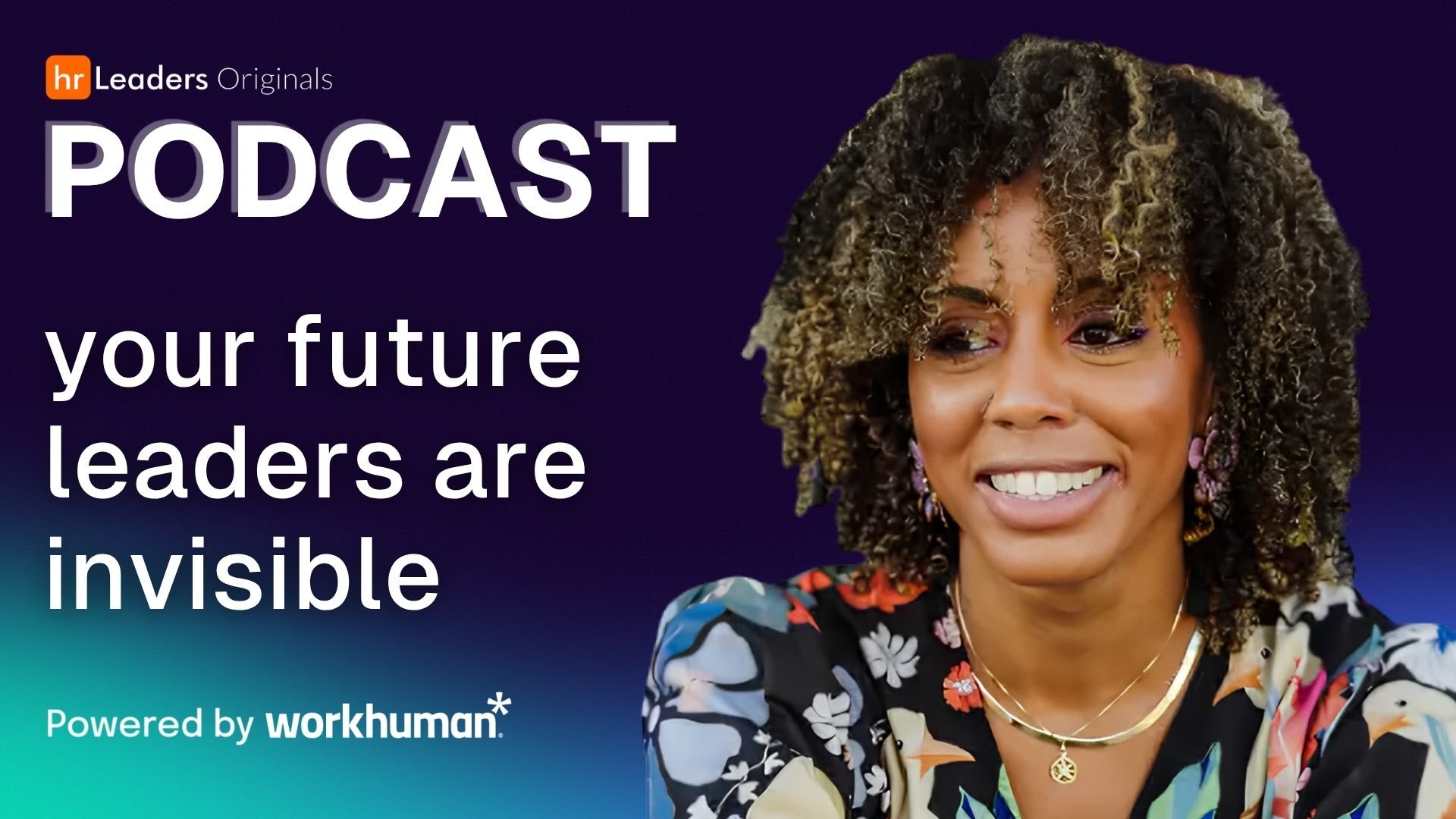
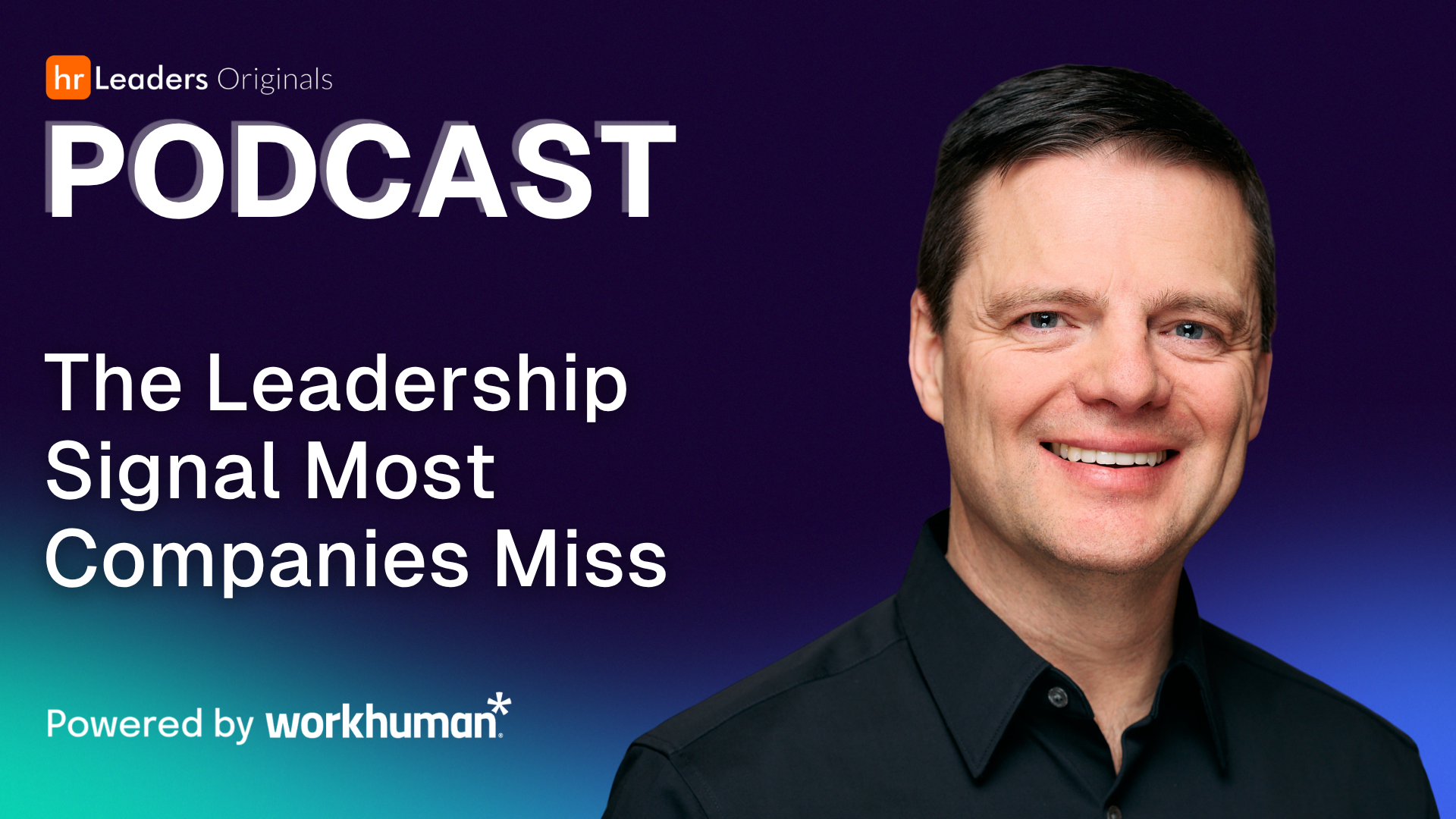
KeyAnna Schmiedl, Chief Human Experience Officer at Workhuman
Key Points:
Future leaders are often missed because they are not always the loudest, closest, or most visible people in the room.
HR needs better talent signals to spot people showing leadership potential before they enter the formal succession pipeline.
AI can help surface hidden leaders earlier, but the goal is to support human judgment, not replace it.
Jennifer Reimert, SVP, Consulting Practice at Workhuman
Key Points:
Recognition only works if it reaches everyone, including frontline and deskless workers who are often left out.
Recognition data can become real business insight, showing skills, networks, high performers, and hidden talent across the organization.
When recognition happens consistently, even 4–6 times a year, it can help reduce turnover and build a stronger business case for HR.


Kalifa Oliver, Senior Director of Technology, People Analytics at Lowe's Companies, Inc.
Key Points:
AI will only be useful in HR if teams start with the business problem, not the tool.
Before adding AI, HR needs to redesign broken work, not automate bad processes faster.
Leaders do not need more dashboards. They need clear insight on what to do next.
Laura Mattimore, SVP, Global Talent
and Lucia Suarez, VP, Global Talent at Procter & Gamble
Key Points:
AI is not just changing technology. It is changing work, skills, culture, and employee experience.
HR needs to become the architect of future work, designing jobs around human plus AI.
Future-ready talent strategy means building from within, with personalized upskilling, career paths, and talent mobility at scale.


Jessie Knight, Vice President, Analyst at Gartner
Key Points:
Recognition cannot only work for people at a desk. It has to reach frontline, deskless, and distributed workers where they actually work.
Recognition is becoming more than appreciation. It is culture data, skills data, network data, and business data.
Future-ready recognition means making people feel seen, while also giving HR clearer signals on retention, performance, collaboration, and business impact.
Olga Burke, Head of HR Digital, Data, & Optimization Actions at Guardian Life
Key Points:
AI is moving HR from looking backwards at what happened to predicting what comes next and shaping business strategy.
The real opportunity is not replacing people. It is using AI to remove repetitive tasks, create capacity, and let people focus on judgment, critical thinking, and higher-value work.
Future-ready organizations need to keep skills current through continuous learning, reskilling, redeployment, and psychological safety as roles keep changing.