
How to Build a Skills Strategy That Survives the AI Era
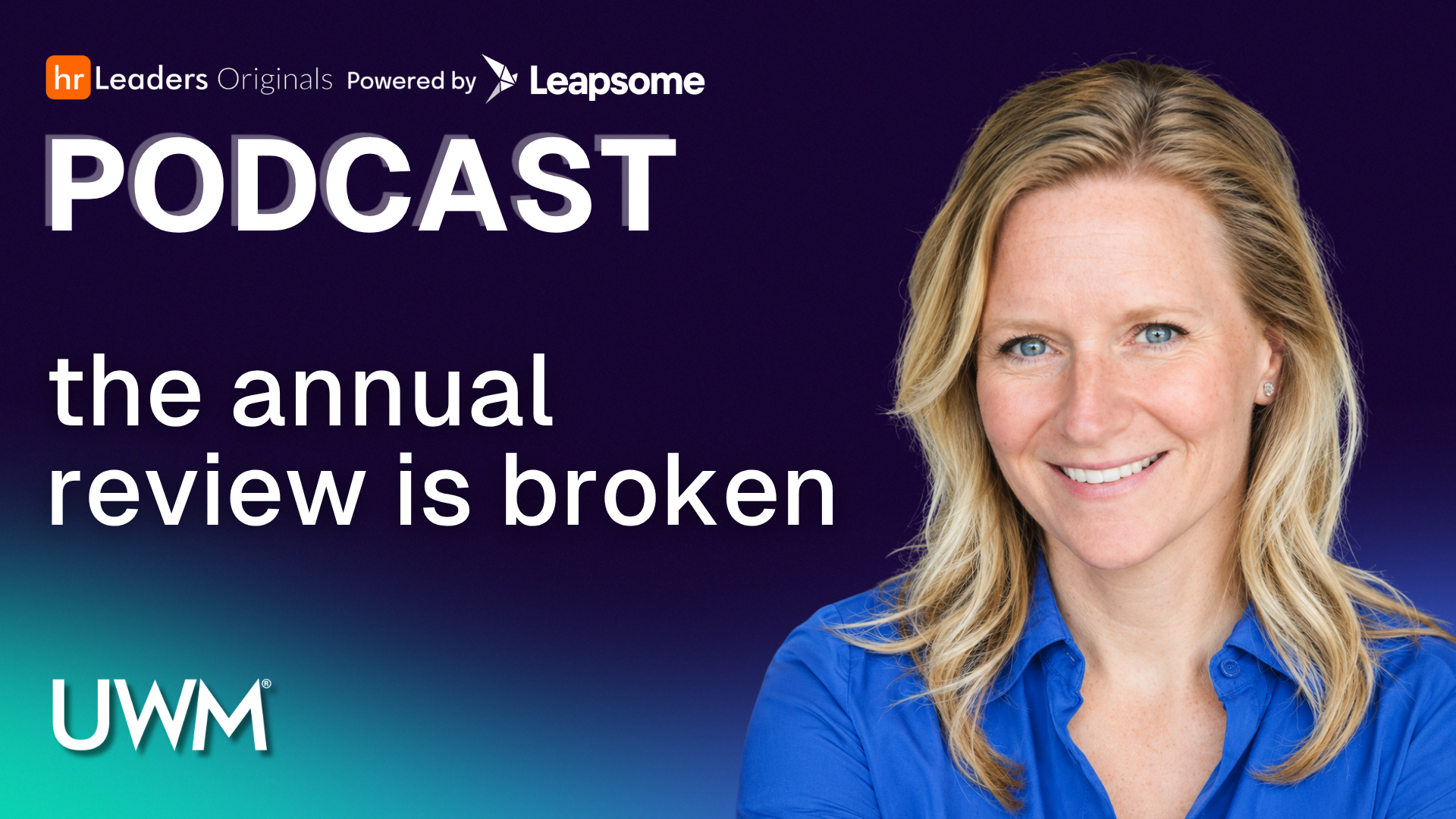
In this episode of the HR Leaders Podcast, I had an inspiring conversation with Ciara Harrington (Barry), Chief People Officer at Skillsoft, to unpack why the shift from jobs to skills is finally becoming real.
Ciara explains why HR can no longer rely only on job architecture, job descriptions, and traditional role design. As AI agents enter the workforce, leaders need to think differently about the unit of work, what skills are needed, and whether that work should be done by a human, an agent, or a combination of both.
Most importantly, Ciara shares how Skillsoft is making skills practical inside the business, from leadership skills and hiring decisions, to nine-box talent reviews, performance conversations, AI adoption, and helping leaders move faster without waiting for the perfect system.
🎓 In this episode, Ciara discusses:
How to think about the unit of work, not just the job title
The five leadership skills Skillsoft is prioritizing during transformation
Why skills are becoming the foundation for human and AI work design
Why leaders need to stop waiting for the perfect skills model before starting
How Skillsoft is embedding skills into hiring, talent reviews, and leadership decisions
What if AI agents were not just another way to create more learning content?
What if the talent you need is already inside your organisation, but hidden in skills no one has mapped yet?
That is what 365Talents helps HR teams solve with AI-driven skills intelligence.
It helps organisations see the real skills their people already have, spot gaps, and turn that insight into workforce planning, internal mobility, and better career paths.
That is why 365Talents created the 2026 HR Skills Strategy Toolkit.
14 ready-to-use templates to help HR leaders build the business case, calculate ROI, evaluate vendors, define governance, and roll out a skills strategy that actually moves.
(0:00 - 0:23)
We've been talking about skills Chris in HR for 30 years probably, right? Why now are we actually moving? We need to look differently at the way work gets done and how do we decide when we use a human and when we use an agent? And skills to me are the core foundation of that. Like one skill an agent has is it can work 24-7. I would need three different humans to do that, that's amazing.
(0:24 - 6:16)
And then when I look at work and I think what kind of work can be done 24-7, then that's a great job for an agent. Whereas if I only based in the US and I only have people in the office for eight hours a day, well having an HR available 24-7 it doesn't really add any value. This is the important thing we need to start thinking about is what is the unit of work? Previously a person comes to me and says Ciara the unit of work I need to get done.
And I say okay what level do you need the work done at? What kind of functional expertise do you need? What time zone do you need the role on? How much money do you have to spend? And I'll recommend a level in a country in a specific area and I'll hire that. I now want my HR team asking the leader what's the unit of work you need to get done? Walk me through the work. It's thinking differently about how work gets done.
That's the biggest shift I'm having my HR team make and we're trying to get across to leaders. This is how we need to be thinking about things. Ciara welcome to the show, how are you doing? Good thank you, how are you? I wasn't expecting the accent when you came in, you threw me off.
I love it. Wow. I love it.
Well I am from your side of the world. I feel like home. Yeah and I'm half Irish.
I love it. I only found out that I was half Irish like a couple of years ago because when I grew up my parents separated at very young and then I did like you know one of those tests that you do and I was like oh I'm 50% Irish. Wow.
I didn't even know that. That makes me like you even more. Tell everyone a little bit more about you.
Did you choose HR or did it choose you along the way? Okay so a little bit about me. I'm going to start where you started which is I am originally Irish. So I grew up.
Remember you're still Irish right? I'm Ireland. You can't say you're originally. No this is true.
I'm joking, I'm joking. But quite. I am still Irish.
Yeah go on. So how did I come into HR? So it's an interesting story. I was very mathematically leaning when I was in high school.
I did engineering. I did applied maths. I did physics.
I did all of the mathematical subjects you can think of and I massively excelled at them. My parents really wanted me to be an engineer because it made logical sense but while I had a really strong aptitude for logic, numbers and systems thinking I also had a passion and a belief in human behaviour and how humans interact and engage with each other and the concept of how that creates a functioning organisation. So I wanted to work in HR from when I was a very young age.
Again like I said me and my parents did not always agree on the path. So what we ended up agreeing on is I ended up doing a degree in what is still there today. It is in University College Cork and it is called Business and Information Systems.
I was very aligned to the business component of it. My parents aligned to the tech component and this was the compromise. Are your parents in tech then by the sounds of things? No my dad is actually in finance.
So my dad was a finance executive his whole career which I think is part of what drove me. I would tell people and Vito's heard the story before. When I was a kid I would walk around the house with my dad's briefcase and say oh I'm going to be an important business person when I grow up.
This was too young for me to understand HR was a career. But while other people wanted to be you know firemen or actors or actresses or wanted to be on the cover of People magazine I'm like I want to be on the cover of the Harvard Business Review and I want to have my briefcase and my suit. So that kind of vibe I think I got from my dad.
So I always knew I wanted to be in business and in corporate and I wanted to be successful in that area. Like I said my parents and I agreed on this combination of business and information systems as a degree. I did an internship would you believe computer coding.
Really? And that was the end of the technical path. I tried that too by the way and I realised this is not for me. You did? Yeah I tried.
I tell this story to people a lot because it really shaped I think my future this experience. I still vividly remember sitting in a cubicle and there's all these people around me and they're writing code like this. It's so hard mate.
And I'm like if x apostrophe. So I'm listening to this and I'm thinking you know what I'm not going to be successful in this job and this is definitely not for me. So at this point though I'm three years into the degree and in Ireland at least right we don't do a major switch midway through.
So the only path forward was through. So I continued with the degree but I over indexed on subjects around change management organisational science things and then after four years of college I managed to reconvince my parents HR was still my passion. So then I went and did another degree in human resources to kind of convert my background to be more that way focused.
So that was the start of it. I started my career in an HR rotational programme at a company called EMC. And my first rotation was in a team called compensation and benefits.
Now while I had always wanted to work in HR I don't think I really understood HR had a more logical numbers. You're like this is my space. This is my space.
Exactly Chris. I was straight away from the first day I walked in I was like this. By the way that's that same area terrifies other people listening.
(6:18 - 29:59)
Yeah it's an area to be honest with you Chris throughout my career most mature people don't want to work in it. So it was an area that if someone did want to work in it right there was always a lot of opportunity. So really enjoyed my first two years in that role and like I said really felt I found my sweet spot.
From there I went into consulting I had a really good I still remember boss at the time who I still remember going to him and saying I've got this offer at a consulting firm what should I do. And I remember him telling me I am not even going to ask you to stay because this is one of the best experiences you will ever get and I want that for you. And I still remember him saying and someday Kira maybe you're going to take all that knowledge and you'll come back and we'll benefit here from that knowledge.
And I remember at the time thinking that's really interesting I have no intention of ever coming back here. But ironically I came back to this company and worked there for eight more years when I came out of consulting. Well let's pause there let's pause there.
That was a lot to take in and amazing and I love your energy by the way I miss it now I feel definitely at home. How did your experience in consulting help shape you and the leader that you are today? I mean in so many ways I think I would give anybody who came to me looking for advice the same advice that boss gave me. Consulting is a world where they're really focused on teaching you problem solving skills right that's fundamentally what a consultant does.
The subject matter is generally an afterthought. What consulting firms do is they teach you how to go in look at a problem break it down figure out how to solve it and implement that solution. Because consulting firms want you to be flexible right they don't want people sitting around because there isn't a common benefits project running right now.
If there isn't one running they're going to send me to work on something else. So that is one of the biggest skills that anybody could ever learn. You layer that on top of this concept of in an eight-year window I think I worked at 10 different companies.
So imagine the exposure that gives you. Every single company has things they do really well and things they do really badly right and if you get to see this in eight to ten different companies you get amazing perspective and views of what works well and what doesn't work well along with figuring out how to almost solve any problem that you are given. And I believe that experience is what allows me to sit in this seat today because before anything else fundamentally the job of anybody running a business is to solve problems.
So I would say that massively shaped my career. I spent a lot of time on massive transitions big M&A's big system implementations and through all of these things you're learning to solve problems manage change and take something and make it better fundamentally. That's the goal at the end of the day as a consultant right you go in anywhere you're supposed to take what they have today and you're supposed to make it better when you leave.
Yeah. And that's a skill that applies in any job that you will ever do in the future and that ability to go into any company and feel confident that you can understand the problem break it down and solve it allows you to take risks in your career. Like any promotions I've been offered in my lifetime some of them yeah you kind of think oh can I really do this or it's a bit scary what if I can't do this.
I've always felt this is just another challenge. I've taken on multiple challenges before and this is just another one and I can do it just the same as I did all the others. I think if it's not scary then you don't do it.
Like for me it's like I'm like you like I've said this a million times I'm sorry everyone listening but I always talk about to the team about like seeking discomfort one of the things we talk about yeah seek discomfort right like you know go into the head fail fail forward right like and and you build a level like you just said because you've experienced it so many times in so many scenarios you build this sort of level of resilience and just just sort of change resilience that that's just that's just the norm that's just like yeah that's like the level that you operate from so when a lot of this change transformation or disruption comes along you're like this is just baseline whereas for many people who haven't experienced that it can feel very overwhelming and if you're going to be a CPO or CHRO right now you kind of need that as a minimum to to like I mean absolutely there is no HR function or company right now that's not changing and HR is not a massively critical part of it and this is the reason why Chris you'll always find me in a transformation zone too like I'll come in I like to take the chaos I like to wrap it in a bow sometimes live it for a year or so but then I'll find myself itching for that next you know big change big transformational role back to what you're saying if I start to feel too comfortable yeah I'm not challenging myself I'm not learning and growing and ultimately this is what brings me joy like like you said there are a lot of people that leave jobs because they say oh this was too chaotic I would be someone who'd leave a job because I'd say it was too stable there wasn't enough happening exactly and I think that's uh by the way for everyone listening we haven't even got into the first question that's that but I know I know I'm saying I love it I mean it just means that it's great great energy but I'm like I'm like I could talk to you forever um but you are right like for me I grew up playing a lot of professional sports and uh I my parents used to go crazy or my mum used to go crazy and my friends would be like you're really good at everything but when you but you keep changing and that's because like for me it's being really bad at something and then like keep failing forward along the journey and then when I reach a level of mastery I'm like what's next and they're like oh why don't you become a professional in that I'm like it's boring now because I want to learn I want to fall over I want to literally and I think a lot of people that's kind of weird they're like you're just strange like like I agree I don't like comfortable um comfortable doesn't you know yeah we're going backwards anyways let's jump into some questions because I am so excited to share first and foremost if if someone's listening and they've been living under a rock and they don't know who Skillsoft is tell everyone who Skillsoft is the organisation you work for and then we'll jump into some of the great questions I'm sure many people will be familiar okay I mean Skillsoft is a organisation whose you know mission and vision is to help both learners and organisations grow right we pride ourselves very strongly on crisp both lenses which I think is really important everyone should always be growing as an individual an organisation should always be growing and our vision is if you do both together you will have a very successful company so we provide consulting in the space online content systems to help you manage your data and for me I'm extremely lucky because I also get access to all of that to help manage the people on my own you're cheating I'm joking leveraging I'm joking I'm only playing well it makes sense then my next question was what attracted you to the business but I think you may have answered that there's anything I missed anything you missed no I mean it's absolutely look I've spent a lot of my career in tech right which isn't necessarily tangible products you can connect to as a CPO in a company where the product is an HR forward product that is a really exciting place to be because I'm not only the chief people officer here but I have a really big seat at the table in terms of the product that we offer the customers that we work with in terms of the product we build we design testing it out internally so it really gives in my mind an extra layer to the role right that you wouldn't necessarily have at other companies yeah any leader that I speak to HR leader that makes that transition like you they always mention that like how exciting it is to be influencing the product and interacting with customers and then obviously then getting to use that yourself right it's such a an interesting you feel a lot more integrated and connected to the business yeah I think it's what it is you know you're not really important yeah you're not like you're not like a oh that sounds to me about but say you're not a HR order taker that's that's yes yeah yeah people would just come to you and tell you to do things for them yeah hey Kira please process this pay increase not Kira what's your opinion Kira just process this well remember that's why your dad didn't want you to work in HR back in the day yeah because that's what he's yeah he was like he said the phrase to me oh so you want to be a receptionist and I remember saying oh no the receptionist sits in the HR organisation that's a bit rough yeah well I saw I mean I've been doing this for 20 years and that that wasn't that far what you're describing wasn't that long ago um so we and I think the skills that you you originally were really passionate about are right now we're going to get into it more relevant now more than ever and who would have thought absolutely that we would be where we are now so where I want to jump into first is um and I know this is you're you're really passionate about this I am and our audience talking about this all the time we're just talking about you know the whole skills versus roles um so I'm interested to understand like how do you help leaders move from who fits the job description to who actually has the capabilities to do the work and what the work requires and I know you kind of talk about the five skills that you ensure leaders have so I love making things simple for people on the show so I'm going to be quiet yeah okay it's such an important topic right now and one every HR organisation is struggling with we have had this fundamental job architecture as the backbone of all HR programmatic decisions for a really long time and as somebody who came up through the total rewards function I myself am very emotionally attached to my job architecture so it's a huge shift to say we're no longer going to think about all the things we know as a way to classify and make decisions on talent and we're going to flip it on its head right that's a difficult thing to do what we are trying to do with Skillsoft is we are trying to make the shift in a slower and more meaningful fashion that allows us to bring both the HR organisation Chris and our broader organisation on the journey so like you talked about we have five leadership skills that we've defined one of the key things as we look to the future is I am not saying my leaders only need five skills yeah of course there are lots of skills leaders will continue to need to have what I'm saying is these are the five skills that are most important to me at this point in time for my leaders to have therefore these are the ones I'm going to track and manage right so I just want to make that distinction because some of where people get hung up on skills Chris is analysis paralysis trying to try to notate every single thing they need people to know how to do you need to be much more targeted and prioritised in how you think about it so that's the start is defining the skills and we have a set of five leadership skills Chris that apply to all leaders but we have proficiency cutters across them like you could think of proficiencies in a job architecture because obviously my expectations of a c-suite leader are going to be much more different than my expectations of a newly promoted leader the second thing we're doing is we're integrating skills into all of our standard programmes so our job architecture and our standard our programmes still exist as they were before but skills are now being integrated into everything as a component of how the decisions are made some simple examples are our TA team when they put interview guides together there are specific questions related to the five skills that they now ask and rate people against and we calibrate and use that when we're looking at the final slate of candidates and we're able to make trade-offs like this person's slightly low in skill a but really high in skill b but you know what skill b is more important to us right now so that's actually going to help make the hiring decision because what I always say is you've got to start with what you're bringing in it takes much longer to build talent than bring it in but you want to make sure what you're bringing in you then don't need to build right that it's already at a certain level internally it's integrating it into all of our programmes so right now we're going through our nine box process all of our leaders as part of that process are being ranked against these five skills and it's creating a kind of score for them and then that score is being used to help the conversation about which box they end up in and we're now able to have conversations like person a belongs in box eight okay but we expect someone in box a to be an expert in all four of these and this person is not making that criteria so we need to drop them a box and then we need to have a conversation with them that says these are the areas why we didn't put you in this box and here's what you need to do to get yourself there next year so we're integrating it chris into every single thing we do for the next year we're not flipping a switch we're sort of going in parallel but what this does is my team are now going to get used to thinking skills first same with our merit programme or our bonus programme these are all like a nine box or a regular performance review would these are these evaluations are all going to feed into those decisions this is going to start changing the thinking process and then over time the idea is that the job architecture and traditional mechanisms will go down in terms of their priority or how we use them i think in in the future chris the job architecture is going to have to become a lot more simple because skills are going to take over those different designations and we're going to start to look to see what that looks like at my company this year but that's how we're thinking about it so it's it's integrating them into what we have first helping learn more about how we use them how we think about them and then using that to help guide us and how we make that flip but i envision it's going to be a journey i'm like 12 to 18 months maybe 24 before you probably get fully there but i believe that's the way to do it and i think what i see a lot chris is this concept of this feels so overwhelming where do i start and then people don't start what i'm telling people is the most important thing is start start defining your skills start integrating them once you start down the path like you when i talked about earlier right take a step forward keep moving forward you'll find the evolution will happen naturally but waiting till you have that perfect moment to move everything over is not going to help you make progress no so let's recap fight let's go through the five and then okay you want to know what the five skills are yeah you can't you can't just leave us hanging like that of course i would love to okay i first want to share two two like other quick pieces of information one we review our skills every time we change our strategy right so on an annual basis chris we look and we evolve them i recommend you shouldn't be completely changing your skills every year because that's going to be confusing it's going to lack consistency but evolving them along with company strategy is absolutely the right thing to do so just to clarify we evolve these every year and you're just right now at the forefront because these are our ones as we head into next year so you are right at uh also ours are related to where we are as a company and our journey we're going on these may not be the same for everybody right we are a company going through transformation and skills reflect that journey our first one is the company first we want people to think about their decisions holistically not in silos like you know to give examples if i fix the process that crosses it and finance and i fix the hr part i could break what happens on the other side right you have to think holistically and as a company who's grown through acquisition it's also really important that you're factoring in all of the different perspectives and needs of all of your different businesses and this is a really big one for my ceo who really has a really strong belief in all of his business executives are business executives first and experts in their functional area second our primary job is to run the business my secondary job is to manage the hr function and be the expert in that space our second one is be talent-driven this shouldn't surprise you given the type of product that we sell but this is also reflective of a really strong belief by both me but and my ceo that the right people in the right roles with the right structure and the right training is everything to having a company be successful it's making those decisions chris proactively and with speed so you move someone into a role and three months later it's not quite working and you think i have a different spot for them make the move don't leave people sitting around for two years while you try to figure this out so it's about being constantly evaluating and proactive or designs not once a building followership is also a really big one for us and for us this is really getting into obviously motivating and you know inspiring the population but it's also being an open and honest and transparent leader companies going through transformation it's difficult right and it's finding that balance of being clear with team members on the things that are happening but also making sure you keep motivating and inspiring them and it's also getting the message from the top down in a clear and consistent fashion so it's making sure you're taking what's coming from the top down and keeping true and authentic to that message decide with velocity is our next one and that really is getting into risk assessment so you want to make a decision we're transforming we need you to move fast we don't need you to assess every single possible outcome of the decision you're making assess the big ones access the assess the majority move forward and then launch but we need to keep moving and if we analyse every single teeny tiny thing right it's gonna we're gonna go slow so it's that ability to do enough analysis to understand there's not a huge risk and then pivot and accept any little shifts and make those shifts as well can i just say i love the way you like decide with velocity is such a great way of framing that is that i've been trying to find the words i do like it yeah it's really like that's genuinely really powerful i can't wait like because that's another thing i'm trying to do more in my team is empower them to make decisions to move fast right like yes decide with velocity whoever came up with that in your team whoever came up with that in the team shout out to you because it's just such a great way of articulating it group effort chris okay start you made a rate on them over time so there's a lot of people i can get your credit but i agree with you i i really like it it also chris speaks to you know in some cultures where leaders won't make decisions they escalate everything yes it's also pushing down the centre of gravity and said my expectation of you as a leader is you don't make me make all your difficult decisions that's why i hired you expectations you make them yourself yes exactly and also that's the other angle and a lot of time is those people are closest to your customer closest to the problem they and they know the answer right you know like it's just providing that you know the psychological safety and everything else so let me get and sometimes it's that they don't feel empowered to make yes right sometimes it's that they're afraid to make it but you got to get under what is it because again a business can't move fast chris if a c-suite executive has to be involved and approve every single decision so it's pushing down this is your remit this is within where you can make your decisions now go and make them and if you make a small mistake that's okay like a really simple example i give chris is in hr paying people correctly that's not optional right we need to pay people accurately but if i launched a performance management process and 10 people didn't get their form because there was a data element missing and i launched it to them the next day but that's that's a smaller problem but that's the example i try to give it's not ideal but it's very solvable and it's not going to net massively negatively impact a person or the business so yeah that's the lens with which we're trying to think about these things and then our last one is apply analytical judgement and this one is for this upcoming year or two it is very heavy in ai so this is also getting into you know are our leaders ai forward are they really redesigning their orgs and how work gets done are they embracing and integrating ai into their day-to-day but it also talks a lot about and it pairs nice with decide with velocity but use evidence-based decision making right use analytics and data to make decisions and then it's about openness and transparency with that data chris that i'm being open and transparent with the team here's the number of headcount you have here's what your attrition looks like and they can see that on a regular basis so i'm not coming to them end of the year being like oh your attrition was terrible last year what happened right that's no good because now they can't do anything about it so it's getting in front of these things and being open and transparent so everyone can see what's happening and that risks can be flagged and addressed it's not about apportioning blame it's about understanding where the business is breaking down or not running like it should and where do we need to jump in and solve yeah we need to have these conversations solve these problems at the speed of business and then not you know not wait for our performance reviews hold the end of the year right to be able to do that i mean i honestly could spend the rest of the podcast talking about these five skills but i i'm getting into every single one of them but there's so many other questions i want to ask maybe we have to do a part two at some point um as well how are you thinking about the you know this human and ai team design obviously big conversation amongst um our community right now as ai starts to automate more routine tasks um you know what's the most effective way to redesign work so people and ai complement each other let's say rather than compete let's just put it that way i think fundamentally chris with this one i usually start with skills which we we just wrapped up but i'm surprised i need my human leaders to have yeah right where skills become why i think we've been talking about skills chris in hr for 30 years probably right why now are we actually moving and it's my view that it's because we need to look differently at the way work gets done and how do we decide when we use a human and when we use an agent and skills to me are the core foundation of that like one skill an agent has is it can work 24 7 right so while i might take three humans would take if i even have one of these rotating clocks right i would need three different humans to do that that's amazing and then when i look at work and i think what kind of work can be done 24 7 then that's a great job for an agent whereas if i only based in the us and i only have people in the office for eight hours a day well having an hr available 24 7 it doesn't really add any value so first i would say this is the important thing we need to start thinking about is what is the unit of work so it's getting back to what we started with previously a person comes to me and says kira the unit of work i need to get done and i say okay what level do you need the work done at what kind of functional expertise do you need
(This file is longer than 30 minutes. Go Unlimited at https://turboscribe.ai/ to transcribe files up to 10 hours long.)

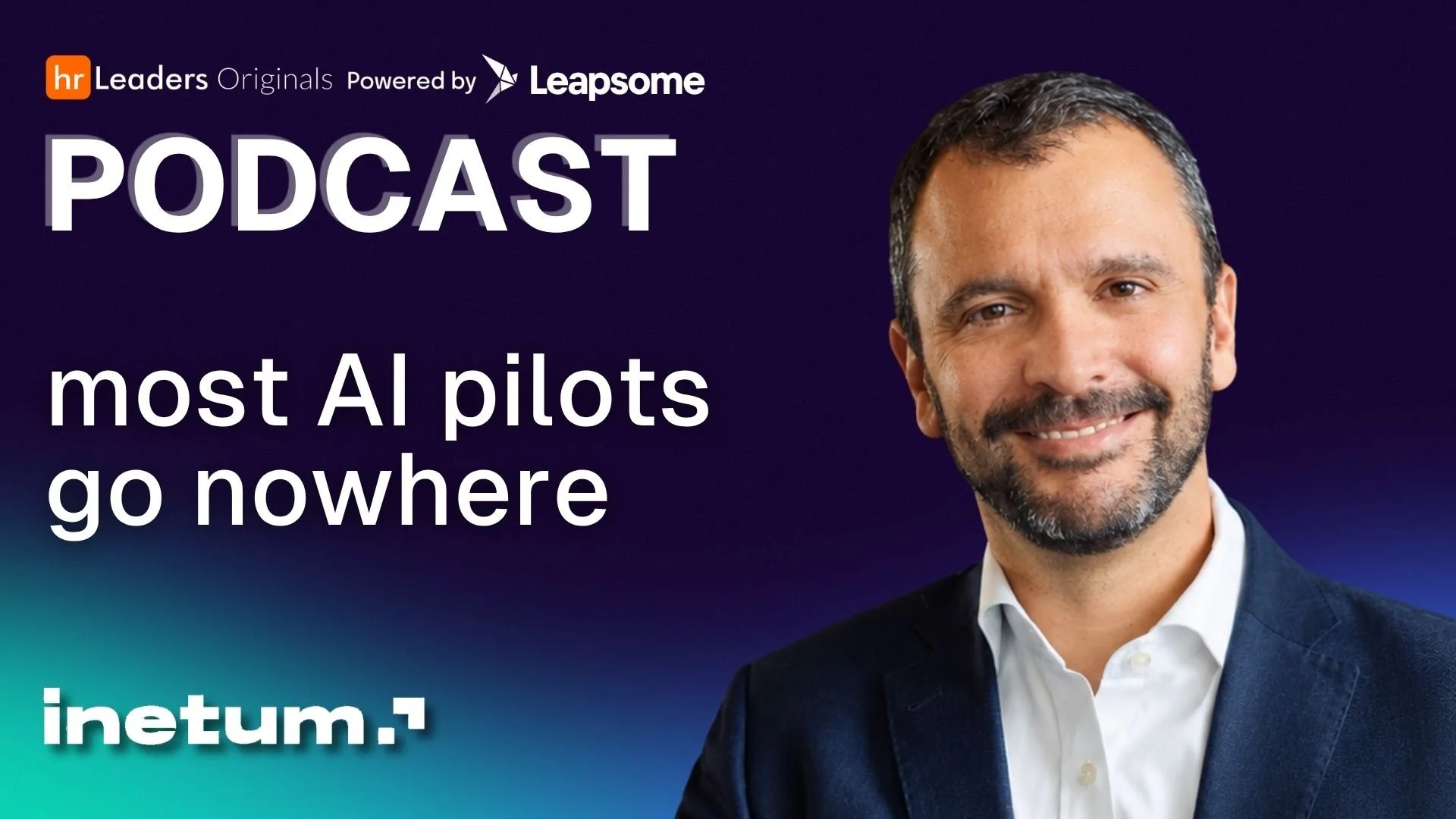


Andrea Petrone, The CEO Whisperer and author of Reinvention at the Top.